
Joists for composite decking provide stable support systems for outdoor deck installation
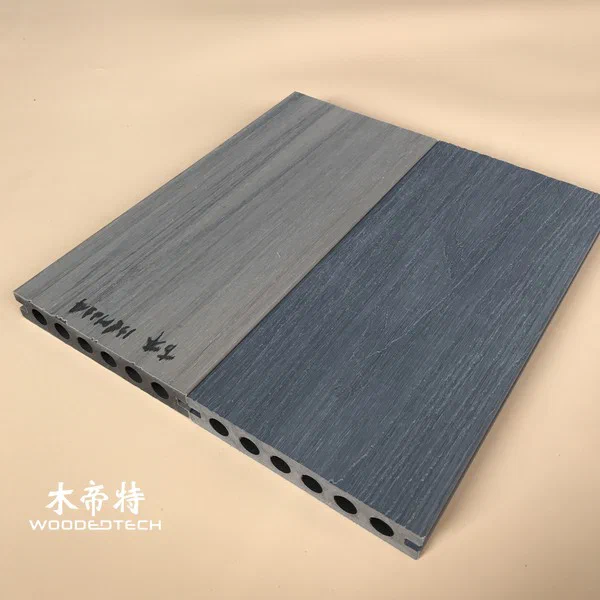
Joists for composite decking provide the stable base that keeps outdoor decks level, secure, and long-lasting. The same subframe principles also apply to WPC wall cladding, where proper spacing and fixing help the surface stay straight and quiet through changing weather.
Subframe preparation
A good installation starts with a sound, well-drained frame. For decking, use joists that are straight, dry, and fixed to a firm base, whether that is concrete pads, a steel frame, or pressure-treated timber suited to outdoor use. Check the layout before fastening anything: joist spacing must match the board type and manufacturer guidance, because composite boards need consistent support to avoid bounce and long-term movement.
For wall cladding, install horizontal battens or a compatible subframe on a flat, plumb wall. Leave ventilation behind the cladding and make sure the frame is treated for exterior conditions. Any unevenness in the base will show on the finished surface, so set the frame carefully before moving on.
Fixing methods and expansion gaps
Composite decking is usually fixed with hidden clips or face screws depending on the board profile. Hidden fixings give a cleaner finish and allow the boards to move naturally. If face fixing is required, drill pilot holes and avoid overtightening, which can damage the board edge. Start from one side and keep each board aligned as you work across the frame.
Expansion gaps are essential. Leave the recommended gap between boards, at perimeter edges, and around posts, walls, and fixed objects. WPC products expand and contract with temperature, so tight installation can cause warping or buckling. For wall cladding, follow the same rule at panel ends and corner trims. Use the correct starter clips, end clips, or concealed fasteners so the system stays secure without restricting movement.
Cutting, finishing, and clean details
Cut boards with a fine-tooth blade suited for composite material to reduce chipping. Support the board fully during cutting and measure each piece twice before trimming. Seal exposed ends where the system requires it, and keep cut edges neat around drains, steps, corners, and openings.
When installing wall cladding, plan the layout first so visible joints look balanced. Begin with a level starter line, then work upward or outward in sequence. Keep fixings consistent and check alignment often; small errors become obvious on longer runs.
Maintenance tips

WPC decking and cladding are low maintenance, but not maintenance-free. Sweep off debris regularly, wash with mild soap and water, and remove stains early before they set. Do not use harsh solvents or high-pressure washing too close to the surface.
Inspect joists, clips, and trim pieces once or twice a year. Tighten loose fasteners, clear blocked drainage, and replace damaged parts promptly. A stable subframe and routine care will keep the deck or cladding looking clean and performing well for years.
FAQ
Q: How far apart should joists be for composite decking? A: Follow the board supplier’s spacing recommendation, since span requirements vary by board profile and thickness. In general, tighter spacing gives better support and reduces flex.
Q: Can WPC decking be fixed like wood decking? A: Yes, but it should be fixed with the approved hidden clips or screws for composite material. Standard wood-only fixing methods can lead to movement issues or surface damage.
Q: Do WPC wall cladding panels need expansion gaps? A: Yes, they need room to move with temperature changes. Leave the specified gaps at joints, edges, and around trims to prevent buckling.
Related Articles
 Composite decking 3mm hidden fasteners provide neat installation solutions for seamless outdoor deck surfaces
 Composite decking instructions help installers complete outdoor flooring projects correctly
 Tongue and groove composite decking creates seamless outdoor flooring with easy installation
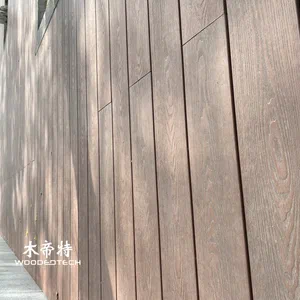 How to put plastic decking down with simple installation methods for outdoor applications
Related Products
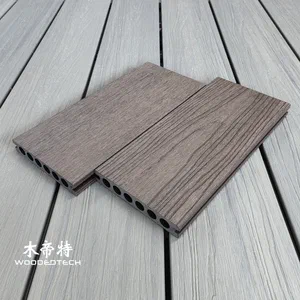 3DGD13823 Second Generation 3D Embossed Rosewood Composite Balcony Decking Delivers Ultra Realistic Wood Grain Texture and a Premium Natural Wood Experience
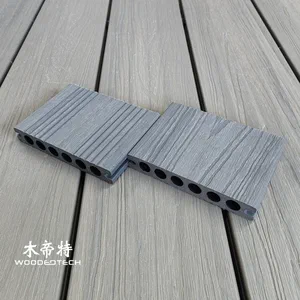 GD13823-3 Light Grey Premium Co Extrusion WPC Composite Decking Offers LG Texture and Excellent UV Resistance for Outdoor Spaces
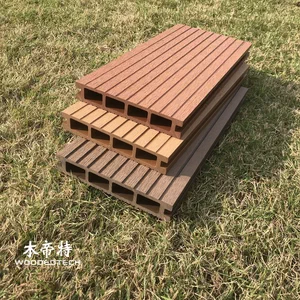 D14025-3 Square Hole Double Sided Grooved WPC Board Factory Producing Outdoor Decking Boards With Good Slip Resistance