
Is Plastic Wood Toxic And What Makes WPC Materials Safe For Outdoor Applications

Outdoor wood-plastic composite (WPC) products are increasingly popular for their durability and aesthetic appeal. Understanding the role of each component—wood powder, HDPE or PVC polymers, additives, pigments, and modifiers—is crucial in determining the safety and performance of these materials for outdoor applications.
Key Components of WPC Materials
Wood Powder: This is the primary raw material that gives WPC its wood-like appearance. Sourced from recycled wood, it enhances the composite’s rigidity and contributes to its natural texture. The quality and size of wood powder particles can impact the final product’s strength and finish. Proper grading and screening of wood powder during the manufacturing process are essential to ensure consistent quality.
HDPE/PVC Polymers: High-Density Polyethylene (HDPE) or Polyvinyl Chloride (PVC) serves as the binding matrix for wood fibers. These polymers are crucial for providing water resistance and durability. HDPE is particularly favored for its recyclability and environmental benefits. Quality control includes monitoring the viscosity and melt flow index of the polymers to ensure optimal processing and performance.
Additives: Various additives are incorporated to enhance performance characteristics. These include UV stabilizers, anti-oxidants, and fire retardants, all of which contribute to weather resistance and longevity. The right formulation can prevent color fading and degradation from sun exposure, which is vital for outdoor products. Regular testing for additive effectiveness and consistency is necessary during production.
Pigments: Pigments provide color and can influence the aesthetic appeal of WPC products. Non-toxic, environmentally friendly pigments are essential to ensure the safety of outdoor applications. A thorough inspection of pigment quality and dispersal within the composite is crucial for achieving uniform color and preventing discoloration over time.
Modifiers: These are added to improve properties such as flexibility, impact resistance, and thermal stability. For instance, coupling agents can enhance the bonding between wood fibers and polymers, increasing the overall strength of the composite. Rigorous testing of modifiers is needed to ensure they meet industry performance standards.
Factory Inspection Methods and Quality Standards
To maintain high quality and safety standards, several inspection methods are employed in WPC factories:
Material Sampling: Regular sampling of incoming raw materials, including wood powder and polymers, ensures they meet specified standards. This includes checking for moisture content and particle size distribution.
Physical Testing: WPC products undergo various physical tests, such as tensile strength, impact resistance, and weathering tests. These assessments help gauge the durability and performance of the final product.
Chemical Analysis: Testing for harmful substances ensures that the composite is safe for outdoor use. This includes checking for heavy metals and volatile organic compounds (VOCs) in the final product.
Visual Inspections: Regular visual inspections during production help detect any defects in color uniformity or surface finish, ensuring that only high-quality products reach the market.
Implementing these methods and adhering to established quality standards is vital for ensuring that outdoor WPC products are not only durable and weather-resistant but also safe for consumer use.

FAQ
Q: Is wood plastic composite safe for outdoor use?
A: Yes, when manufactured with quality materials and tested for safety standards, WPC is safe for outdoor applications.
Q: How does WPC compare to traditional wood in terms of durability?
A: WPC typically offers greater durability and resistance to moisture, decay, and insects compared to traditional wood.
Q: What quality control measures are important in WPC production?
A: Key measures include material sampling, physical testing, chemical analysis, and visual inspections during the manufacturing process.
Related Articles
 WPC Deck Provides Natural Wood Appearance with Long Lasting Outdoor Performance
 Composite Deck Gasket Provides Better Protection And Stability For Outdoor Decking Installation
 Plastic Wood Deck Floor Offers Low Maintenance And Natural Looking Outdoor Flooring Performance
 WPC Wooden Decking Combines Natural Wood Appearance With Modern Composite Material Advantages
Related Products
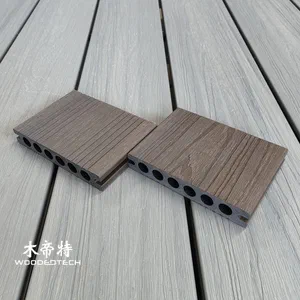 Purple Sandalwood GD13823-3 Co Extruded WPC Outdoor Decks with Round Holes Are Available in Stock in 3 Meter Lengths Year Round
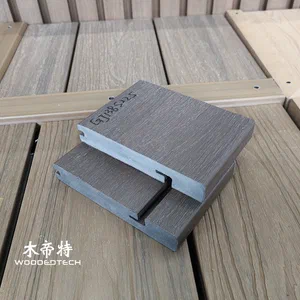 GD13822.5S Fully Capped Solid Starter Wood Polymer Composite Decking Provides a Stable Starting Structure for the First Decking Board
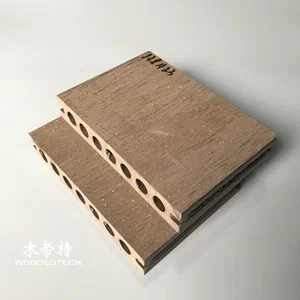 D13823 Round Hole Double Sided Flat WPC Bamboo Decking Boards With Strong Quality And Various Wood Grain Surface Treatments