
Is Plastic Wood Stainable and How to Maintain Its Natural Appearance
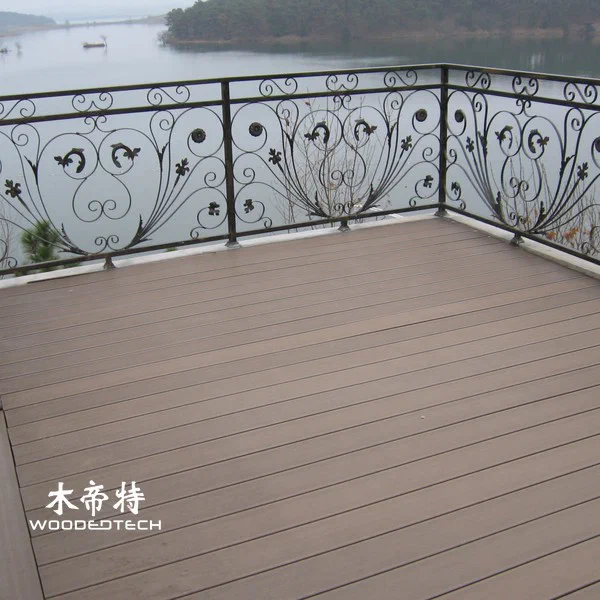
Plastic wood, also known as wood plastic composite, is generally not stainable in the same way natural timber is. For B2B buyers and project specifiers, the key question is less about traditional staining and more about whether the surface can be recolored, cleaned, or preserved without losing its wood-like look.
Can Plastic Wood Be Stained?
Most plastic wood products have a capped or sealed surface that resists moisture, dirt, and many coatings. That makes them durable and low maintenance, but it also means standard wood stains usually do not penetrate or bond well. On uncapped products, limited color modification may be possible with specialty coatings, but results are inconsistent and should be tested on a sample first.
For procurement teams, this matters when matching façade systems, decking, or fencing across different batches. If a project needs a specific tone, it is better to choose the right factory color from the start than rely on post-installation staining. This is especially true for outdoor products such as wpc wall cladding, composite decking, and plastic wood decking boards.

How to Keep the Natural Appearance
The easiest way to maintain the original wood-like appearance is routine cleaning. Use water, a soft brush, and a neutral detergent to remove dust, grease, and pollution buildup before they settle into the texture. Avoid abrasive pads, strong solvents, or high-pressure washing too close to the surface, since these can dull the finish.
UV exposure can slowly change color over time, so material selection is important. Buyers should ask for UV-resistant formulations, color-stable pigments, and if needed, capped composite or co-extrusion products. These are better suited for long-life exterior use in commercial projects such as walkways, terraces, cladding, and public seating areas.
Best Maintenance Practices for Industrial Projects
A practical maintenance plan helps keep appearance consistent across large installations:
- Clean regularly based on site exposure
- Remove stains quickly before they harden
- Inspect joints, trims, and drainage areas
- Use approved cleaners only
- Store replacement boards from the same production batch
For architects and distributors, supplier communication is critical. Confirm the cleaning method, color tolerance, and warranty conditions before installation. A reliable wood plastic composite manufacturer should be able to provide surface treatment details, maintenance guidance, and batch consistency information.
Choosing the Right Product for Long-Term Appearance
If the project priority is a natural look with minimal upkeep, select products designed for exterior stability rather than after-market finishing. In many cases, the best solution is not staining at all, but specifying the right composite material, texture, and color profile upfront. That approach reduces maintenance costs and helps preserve a uniform appearance across the whole project.
FAQ
Q: Can plastic wood be stained like real wood? A: Usually no. Most wood plastic composite surfaces are designed to resist absorption, so standard wood stains do not work well.
Q: How do you restore faded plastic wood color? A: Start with thorough cleaning, then check whether the product allows approved surface treatments. For severe fading, replacement boards are often the most reliable option.
Q: What maintenance keeps plastic wood looking natural? A: Regular washing, prompt stain removal, and choosing UV-resistant products are the most effective ways to preserve the original appearance.
Related Articles
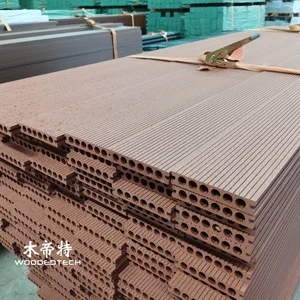
Related Products
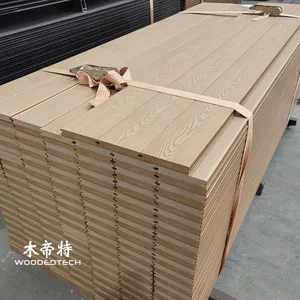
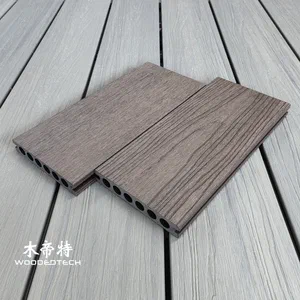 3DGD13823 Second Generation 3D Embossed Rosewood Composite Balcony Decking Delivers Ultra Realistic Wood Grain Texture and a Premium Natural Wood Experience
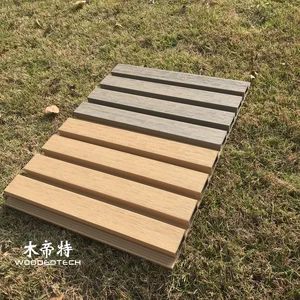
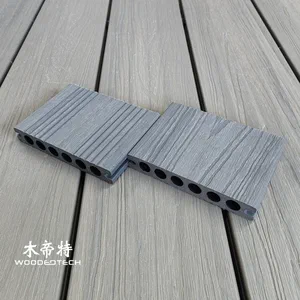 GD13823-3 Light Grey Premium Co Extrusion WPC Composite Decking Offers LG Texture and Excellent UV Resistance for Outdoor Spaces
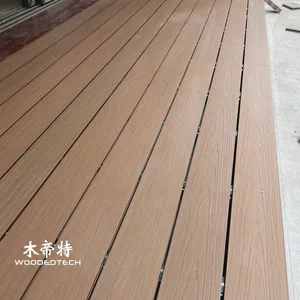
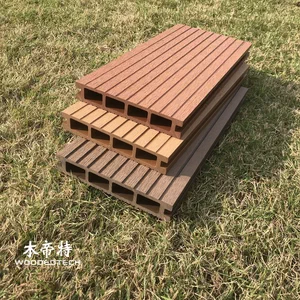 D14025-3 Square Hole Double Sided Grooved WPC Board Factory Producing Outdoor Decking Boards With Good Slip Resistance