Is plastic cladding cheaper than wood for exterior wall decoration and construction projects
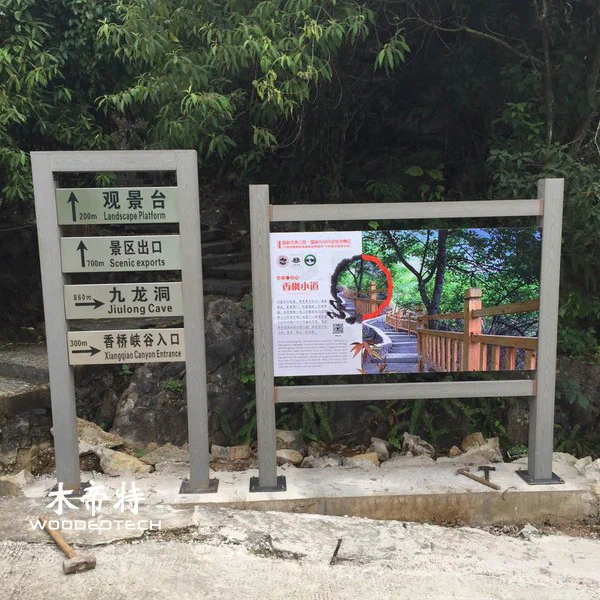
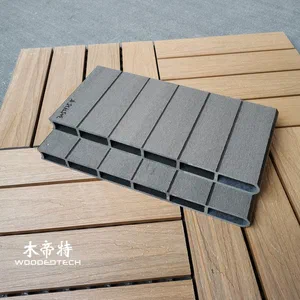
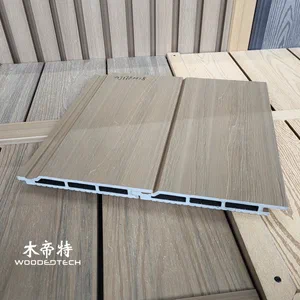
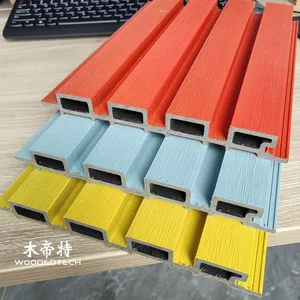
Plastic cladding can be cheaper than wood for exterior wall decoration, but the real answer depends on the material grade, installation method, and how long the façade must last. For many construction projects, outdoor WPC and plastic wood cladding reduce repainting, repair, and replacement costs compared with natural wood or traditional timber.
Cost Comparison: WPC, Wood, Aluminum, and Other Exterior Materials
At the purchase stage, natural wood sometimes looks competitive, especially for basic softwood boards. But once you include staining, sealing, anti-rot treatment, labor, and future repairs, wood often becomes more expensive over the full lifecycle. Outdoor WPC, recycled plastic wood cladding, and similar plastic wood effect cladding products usually have a higher initial price than low-grade timber, yet they are often cheaper over 5 to 15 years because they need less maintenance.
Compared with aluminum, WPC usually offers a lower material cost and a warmer visual finish. Aluminum composite panels and metal cladding are strong and stable, but they can cost more to fabricate and install, and they may feel less natural in residential or hospitality projects. For large commercial façades, aluminum may still be justified where fire performance, rigidity, or premium appearance matters.
Advantages and Disadvantages by Material
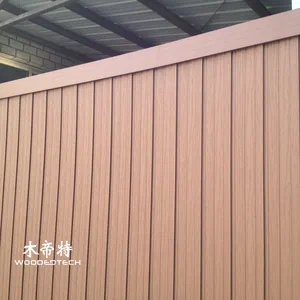
Outdoor WPC and plastic wood cladding exterior products are popular because they resist moisture, insects, and warping better than natural wood. They also keep a more consistent appearance in wet or sunny climates, which is useful for exterior wall cladding, balconies, and garden-facing buildings.
- WPC advantages:
- low maintenance
- stable color and shape
- good weather resistance
- modern wood-look finish
- WPC disadvantages:
- can cost more upfront than basic timber
- lower-end products may fade or scratch
- not as easy to refinish as real wood
Natural wood offers authenticity, grain depth, and easier repair. The drawback is ongoing maintenance: sanding, oiling, sealing, and periodic replacement of damaged boards. Traditional timber can be cost-effective for short-term projects, but its life expectancy is more sensitive to climate and maintenance quality.
Aluminum is highly durable and low-maintenance, but it is usually colder in appearance and can be more expensive to detail well. Fiber cement and PVC wall panels may be cheaper in some cases, though they can lack the premium texture and impact resistance of WPC.
Maintenance and Lifecycle Cost
For most exterior wall decoration projects, maintenance determines the true cost more than the material price alone. Wood cladding may need treatment every 1 to 3 years, especially in humid or coastal areas. WPC generally only needs washing with water and mild detergent, which lowers labor cost and keeps service interruptions minimal.
Lifecycle cost is where WPC often wins. A project that avoids repainting, rot repairs, and early replacement can offset the higher buying price within a few seasons. This is why many developers compare WPC cladding price against wood cladding for walls before deciding.

Choosing the Right Material
If the project needs a natural premium look and regular maintenance is acceptable, wood can still be the right choice. If the goal is predictable cost, fast installation, and better long-term value, outdoor WPC or plastic wood cladding is often the more practical option. For high-rise or strict fire-spec projects, aluminum or other engineered exterior systems may be the better fit.
FAQ
Q: Is plastic cladding really cheaper than wood for exterior walls? A: In upfront material cost, not always. Over time, it is often cheaper because it needs less maintenance and lasts longer in outdoor conditions.
Q: What is the biggest cost difference between WPC and natural wood? A: Maintenance is the main difference. Wood needs sealing, repainting, and more frequent repairs, while WPC usually needs only basic cleaning.
Q: Which exterior material has the lowest lifecycle cost? A: For many low- to mid-rise projects, WPC has one of the best lifecycle costs. Aluminum can also be cost-effective, but usually with a higher initial investment.