
Is Composite Decking Worth the Extra Cost? A B2B Industry Analysis
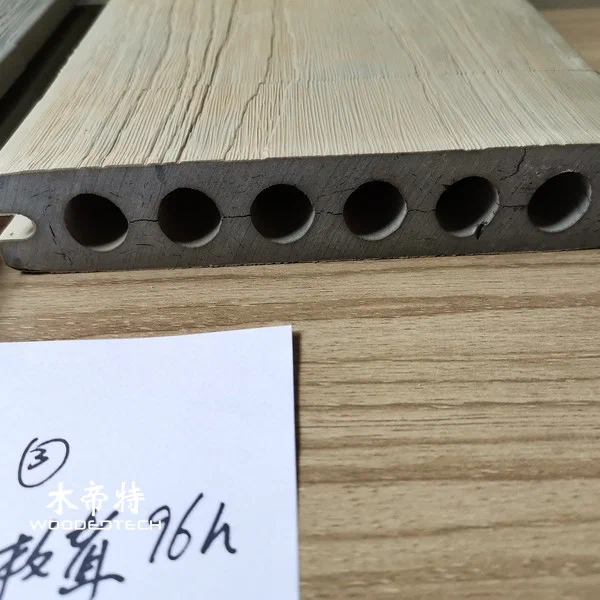
Composite decking can cost more upfront than pressure-treated timber, standard wood, or some alternative outdoor flooring materials, but its long-term value depends on the total cost of ownership rather than the initial purchase price. For commercial developers, contractors, distributors, and building material importers, outdoor wood plastic composite (WPC) decking offers a balance of durability, reduced maintenance, and consistent appearance that can make the higher initial investment worthwhile.
1. Initial Cost Comparison: Composite Decking vs. Traditional Materials
The purchase price of decking materials varies according to material quality, manufacturing technology, thickness, surface treatment, and regional supply conditions. Natural hardwood, pressure-treated lumber, WPC composite, and aluminum decking each occupy different price segments.
Traditional timber is often attractive because of its relatively low initial cost and familiar installation methods. Pressure-treated pine, for example, is widely used in residential and commercial outdoor projects. However, lower purchase prices can be offset by recurring expenses for staining, sealing, waterproofing, and replacing damaged boards.
Natural hardwood offers a premium appearance and strong structural performance. Species such as teak, ipe, and cedar are popular for upscale outdoor spaces. Their higher material costs, however, can make large commercial installations expensive. Some hardwoods also require specialized sourcing and installation.
WPC composite decking generally costs more initially than basic pressure-treated wood but can be more economical than premium hardwood over its service life. Aluminum decking is another premium alternative, offering excellent resistance to rot and corrosion, although its purchase price and installation requirements can be substantial.
For B2B buyers, the most useful comparison is not simply the price per square meter. It is the installed cost, including substructure, fasteners, labor, transportation, maintenance, and expected replacement expenses.
2. Advantages of Outdoor WPC Decking
Outdoor WPC decking combines wood fibers or wood flour with thermoplastic polymers and performance additives. This composition creates a material designed to provide a wood-like appearance with improved resistance to common outdoor conditions.
Its main commercial advantage is reduced maintenance. Unlike natural timber, WPC does not normally require regular sanding, staining, or protective painting. Routine cleaning with water and a suitable cleaning solution is generally sufficient to maintain its appearance.
Other important advantages include:
- Moisture resistance: Quality WPC boards are designed to resist water absorption, reducing the risks of rot, decay, and insect damage.
- Consistent appearance: Factory-controlled production helps maintain uniform dimensions, colors, and surface textures across large projects.
- Design flexibility: Available finishes include wood-grain embossing, brushed textures, and different color options.
- Reduced maintenance labor: Fewer recurring treatments can lower operating expenses for hotels, resorts, public walkways, and commercial terraces.
- Recycled content potential: Some manufacturers use recycled plastics and recovered wood fibers, supporting material-efficiency objectives.
Capped and co-extruded WPC products provide additional surface protection through a polymer-rich outer layer. These products can offer improved resistance to staining, fading, and moisture compared with many uncapped alternatives, although actual performance depends on the formulation and manufacturing quality.
3. Disadvantages and Maintenance Requirements
WPC is not maintenance-free, and it should not be treated as a direct replacement for every timber or metal application.
One important consideration is thermal expansion. Composite boards expand and contract as temperatures change, so installation requires appropriate expansion gaps, fixing systems, and substructure spacing. Poor installation can lead to buckling, uneven surfaces, or excessive movement.
Another limitation is heat retention. Dark-colored composite decking can become hot under direct sunlight, particularly in exposed environments. This is an important consideration for swimming pool surrounds, public terraces, and outdoor hospitality spaces.
WPC can also experience surface scratches, localized staining, or color changes over time. Although capped products generally offer better surface protection, deep scratches may be difficult to repair because the internal material can become exposed.
Maintenance requirements are relatively straightforward:
- Remove leaves, dirt, and debris regularly.
- Wash the surface periodically to prevent accumulated stains.
- Clean spills promptly, particularly oil and food stains.
- Inspect fasteners, joists, drainage, and expansion gaps.
- Follow the manufacturer’s recommendations for cleaning products and installation.

For commercial buyers, selecting products with documented UV resistance, water absorption performance, load capacity, and applicable fire classifications can reduce long-term project risks.
4. Lifecycle Cost Analysis: Where Composite Decking Creates Value
The real economic advantage of composite decking becomes clearer when evaluated over a 10- to 25-year ownership period.
Consider a commercial outdoor terrace installed with either pressure-treated timber or WPC decking. Timber may have a lower initial material and installation cost, but it typically requires periodic cleaning, sealing, staining, and occasional board replacement. These activities involve both material expenses and labor costs.
WPC decking usually requires a higher initial investment, but its lower maintenance requirements can reduce annual operating expenses. For property managers responsible for multiple buildings, hotels, or public facilities, minimizing maintenance interruptions can be as important as reducing direct costs.
A practical lifecycle cost assessment should include:
| Cost factor | Natural timber | WPC composite |
|---|---|---|
| Initial material cost | Low to high | Medium to high |
| Installation cost | Moderate | Moderate |
| Regular sealing | Usually required | Generally unnecessary |
| Painting or staining | Periodic | Not normally required |
| Rot and insect resistance | Species-dependent | Generally high |
| Board replacement | Depends on exposure and maintenance | Depends on product quality |
| Cleaning | Regular | Regular |
| Long-term labor | Relatively high | Generally lower |
The actual financial outcome depends on local labor rates, climate, material grade, installation quality, and project usage. Buyers should request realistic maintenance schedules and warranty conditions rather than relying exclusively on advertised service-life estimates.
5. WPC vs. Aluminum and Other Exterior Materials
Material selection should reflect the intended application, environmental exposure, architectural design, and expected traffic levels.
Aluminum decking provides excellent dimensional stability, resistance to rot, and strong performance in many demanding outdoor environments. It is particularly suitable for projects where noncombustible construction materials are required, subject to the relevant product certification. However, it lacks the natural wood appearance that many residential and hospitality projects require. It can also become hot in direct sunlight and may produce more noise underfoot.
Natural hardwood remains attractive for luxury landscaping, waterfront properties, and premium architectural projects. Its authentic grain and natural variation are difficult to reproduce completely. However, sourcing, installation, and maintenance can increase total ownership costs.
Concrete and stone are durable alternatives for permanent outdoor flooring. They offer strong load-bearing performance and can provide excellent resistance to weathering. Their disadvantages include greater structural weight, more demanding installation, and a harder surface that may not deliver the same comfort as decking.
PVC decking is another alternative. It offers moisture resistance and relatively low maintenance, but its appearance, rigidity, and thermal behavior vary considerably between product grades.
WPC occupies a practical middle ground. It combines a wood-inspired appearance with the maintenance advantages of synthetic materials, making it suitable for balconies, garden decks, poolside areas, resort walkways, and commercial outdoor spaces.
6. How B2B Buyers Should Evaluate Composite Decking Investment
For wholesalers, distributors, contractors, and project developers, product selection should go beyond comparing quotations. Manufacturing consistency, technical specifications, supply capacity, and after-sales support all influence the profitability of a decking project.
Before placing a bulk order, buyers should evaluate several factors:
- Material formulation: Compare wood-plastic ratios, polymer types, and additive systems.
- Product construction: Assess solid, hollow, capped, and co-extruded decking options.
- Performance testing: Request relevant data for water absorption, flexural strength, slip resistance, UV exposure, and dimensional stability.
- Installation compatibility: Check joist spacing, clip systems, board dimensions, and expansion requirements.
- Supplier reliability: Review production capacity, quality-control procedures, packaging standards, and delivery lead times.
- Warranty coverage: Understand exclusions related to installation, fading, staining, and environmental exposure.
Working directly with an experienced wood plastic composite decking manufacturer can also help buyers obtain customized dimensions, colors, surface finishes, and private-label solutions. For large projects, sample testing and pilot installations are worthwhile steps before committing to full-scale procurement.
The best purchasing decision is based on verified product performance and realistic lifecycle costs, not simply the lowest quotation.
For projects with tight initial budgets and readily available maintenance labor, traditional timber may remain a sensible choice. For commercial properties where appearance consistency, reduced maintenance, and predictable long-term operating costs matter more, quality WPC composite decking can justify its higher purchase price. The strongest investment is a product whose technical performance, installation requirements, and expected service life match the actual demands of the project.
Related Articles
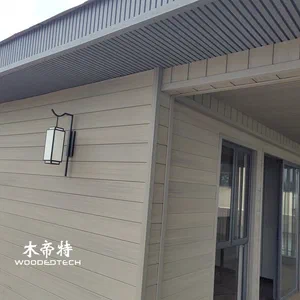
Related Products
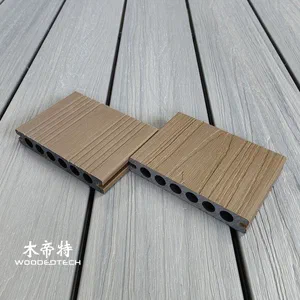 GD13823-3 Teak TK Co Extruded Decking Is a Popular Choice from Composite Decking Suppliers for Outdoor Flooring Projects
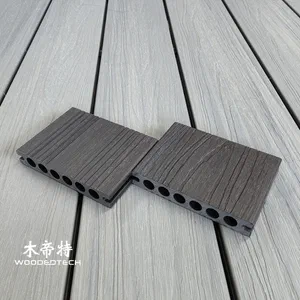 GD13823-3 Walnut WN Co Extruded Decking Features a Dark Rich Color That Helps Resist Visible Dirt and Stains
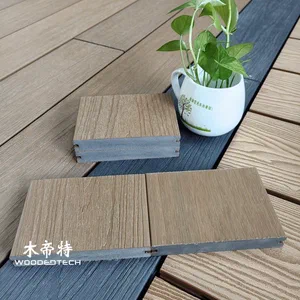 The GD14020S Composite Decking on Sale Features a Solid Core Structure Designed to Withstand Extreme Outdoor Temperature Changes and Freezing Conditions