
Is composite decking worth it for homeowners looking for low maintenance outdoor flooring
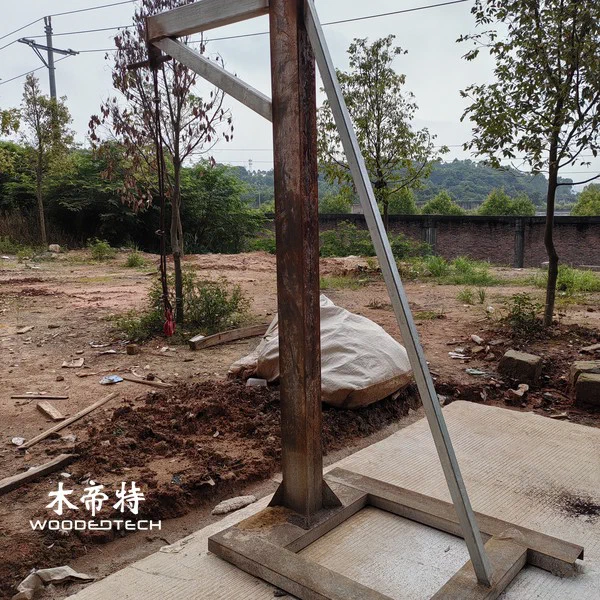
Composite decking is a practical choice for homeowners who want a low-maintenance outdoor floor without the constant sanding, staining, and sealing that natural wood demands. It offers a wood-like look with better resistance to moisture, fading, and everyday wear, making it appealing for patios, balconies, and poolside spaces.
What composite decking does well
WPC, or wood plastic composite, blends wood fibers and plastic into a stable outdoor surface that is designed for weather exposure. Compared with natural wood and traditional timber, it does not splinter easily, resists rot and insect damage, and keeps a more consistent appearance over time. For homeowners who value predictable upkeep, that is often the biggest reason to choose it.
Against aluminum, composite decking feels warmer underfoot and looks more natural. Aluminum is strong, fire-resistant, and long-lasting, but it can feel industrial, heat up in direct sun, and usually costs more to install in a residential setting. For most outdoor living areas, WPC offers a better balance of comfort, appearance, and price.
Where the trade-offs appear
Composite decking is not perfect. It typically costs more upfront than pressure-treated timber and some other exterior flooring options, including basic outdoor tiles or plain concrete finishes. It can also scratch, stain, or fade depending on quality level, surface treatment, and exposure. Lower-grade products may show hollow sounds, thermal expansion, or color inconsistency.
Natural wood still wins on authenticity. If a homeowner wants the grain, smell, and character of real timber, composite cannot fully replace that. Timber also allows easier refinishing and spot repair. The downside is maintenance: periodic sealing, repainting, replacement of damaged boards, and more frequent inspections in wet climates. Over a long ownership period, that upkeep adds cost and time.
Maintenance and lifecycle cost

For low-maintenance outdoor flooring, composite decking is usually the better long-term value. Routine care is simple:
- sweep debris regularly
- wash with mild soap and water
- avoid harsh chemicals and abrasive pads
- clear standing water and trapped leaves
Lifecycle cost is where WPC often makes the strongest case. A homeowner may pay more at purchase, but the savings in labor, coatings, and replacement boards can offset that over time. Timber may seem cheaper at first, yet the total cost often rises after several seasons of weathering. Aluminum and premium exterior systems can last longer, but they also bring higher material and installation costs.
Best fit for homeowners
Composite decking makes sense when the priority is convenience, stable appearance, and a clean finish with minimal upkeep. It is especially suitable for families, rental properties, and busy homeowners who want outdoor flooring that performs well without regular refinishing. If the project values natural authenticity above all else, or if the budget is tight, wood may still be the preferred route.
FAQ
Q: Is composite decking really low maintenance? A: Yes. It only needs regular cleaning and basic care, with no staining or sealing in normal use.
Q: Does composite decking last longer than wood? A: In most outdoor applications, yes. It resists rot, insects, and moisture better than natural timber, so it usually has a longer service life.
Q: Is composite decking worth the higher upfront cost? A: For many homeowners, yes. The lower maintenance burden and better long-term durability often make the total lifecycle cost more competitive than wood.
Related Articles
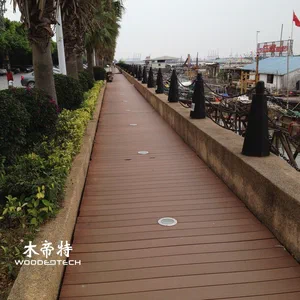
Related Products
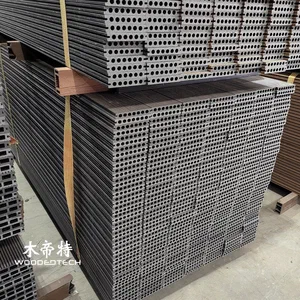
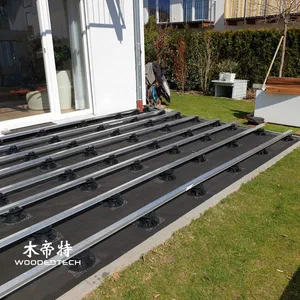
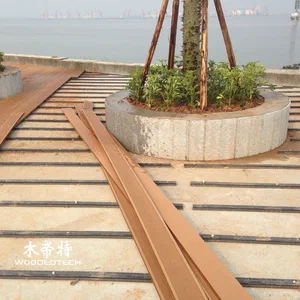
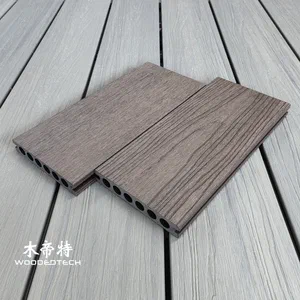 3DGD13823 Second Generation 3D Embossed Rosewood Composite Balcony Decking Delivers Ultra Realistic Wood Grain Texture and a Premium Natural Wood Experience
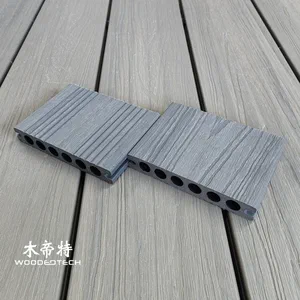 GD13823-3 Light Grey Premium Co Extrusion WPC Composite Decking Offers LG Texture and Excellent UV Resistance for Outdoor Spaces
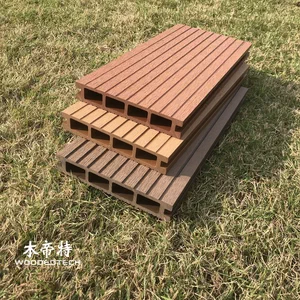 D14025-3 Square Hole Double Sided Grooved WPC Board Factory Producing Outdoor Decking Boards With Good Slip Resistance