
Is Composite Decking Waterproof and How Does It Perform Outdoors
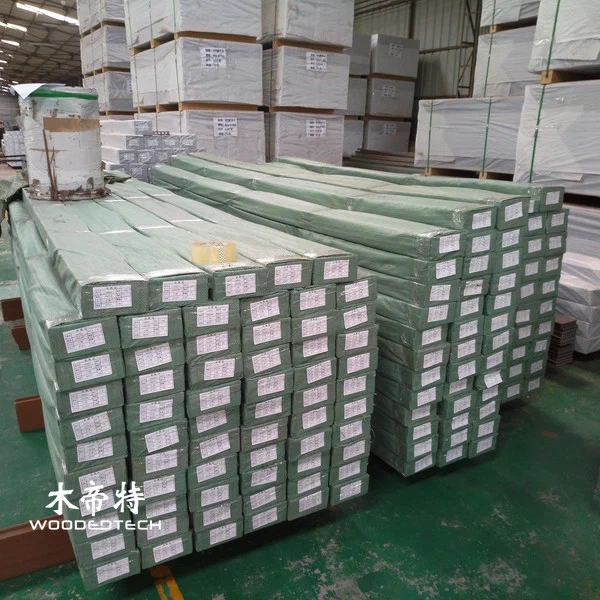
Composite decking is water-resistant, not completely waterproof in the way ceramic or PVC sheet flooring is. For outdoor projects, it performs well against rain, splash, and humidity when the product is properly designed, installed, and drained.
How Composite Decking Handles Water
Most composite decking is made from wood fiber and plastic, or a capped wood-plastic composite structure. The plastic content helps reduce water absorption, while the cap layer on premium boards adds another barrier against staining, mold, and surface moisture. That makes it a practical choice for balconies, terraces, pool edges, and commercial walkways where exposure to weather is constant.
Water can still affect performance if the system is poorly detailed. Boards need the right spacing, joist structure, and ventilation so moisture does not stay trapped underneath. In industrial and B2B projects, the installation method matters as much as the board itself, especially in regions with heavy rainfall or high humidity.
Outdoor Performance in Real Conditions
Good composite decking is built for long-term outdoor use. It resists rot, insect damage, and warping better than many natural wood products, which lowers maintenance demand and lifecycle cost. UV-resistant formulations also help reduce fading, while textured finishes improve grip in wet conditions.
For commercial buyers, the main advantages are stability and predictable upkeep. Composite decks do not need regular sealing or staining, and cleaning usually only requires water and mild detergent. That makes them suitable for resorts, housing developments, public seating areas, and exterior corridors where downtime for maintenance must be minimized.

There are limits, though. Composite decking can heat up in direct sunlight, and lower-grade products may show surface swelling, color inconsistency, or faster wear around cut edges. Choosing capped composite decking boards from a reliable supplier helps reduce these risks and supports better performance over years of service.
What Buyers Should Check Before Specifying
When sourcing for projects, look beyond the marketing claim of “waterproof.” Ask for:
- water absorption data
- cap layer structure
- slip resistance performance
- UV and weathering test results
- warranty terms for outdoor use
The substrate also matters. A well-drained subframe, compatible fasteners, and correct expansion gaps are essential for outdoor flooring systems. For B2B buyers, this is where product quality and installation guidance separate a dependable solution from a short-lived one.
FAQ
Q: Is composite decking waterproof? A: Not fully. It is water-resistant and designed to perform well outdoors, but proper installation and drainage are still required.
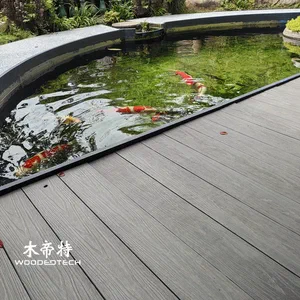
Q: Can composite decking be used around pools? A: Yes, many products are suitable for pool decks because they resist moisture and offer better slip performance than untreated wood. Always check the product’s surface rating and installation recommendations.
Q: Does composite decking need sealing? A: No, most composite decking does not require sealing or staining. Routine cleaning is usually enough to keep it in good condition.
Related Articles
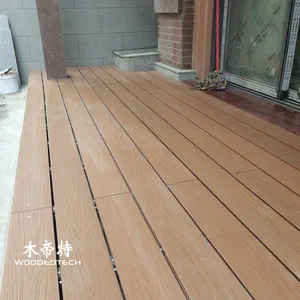
Related Products
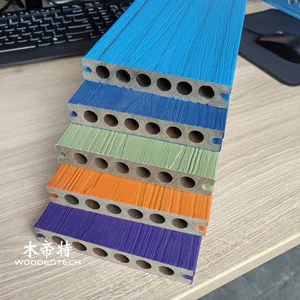
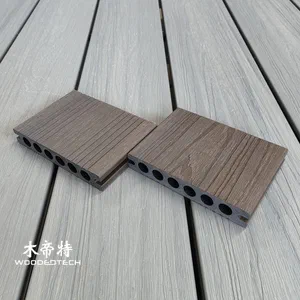 Purple Sandalwood GD13823-3 Co Extruded WPC Outdoor Decks with Round Holes Are Available in Stock in 3 Meter Lengths Year Round
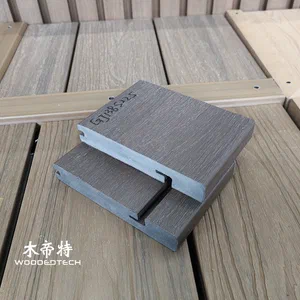 GD13822.5S Fully Capped Solid Starter Wood Polymer Composite Decking Provides a Stable Starting Structure for the First Decking Board
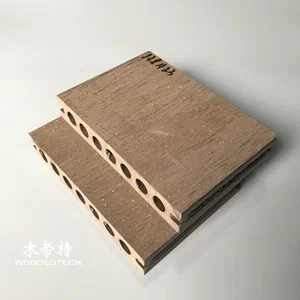 D13823 Round Hole Double Sided Flat WPC Bamboo Decking Boards With Strong Quality And Various Wood Grain Surface Treatments