Installing composite decking boards without clips: B2B Installation Guide
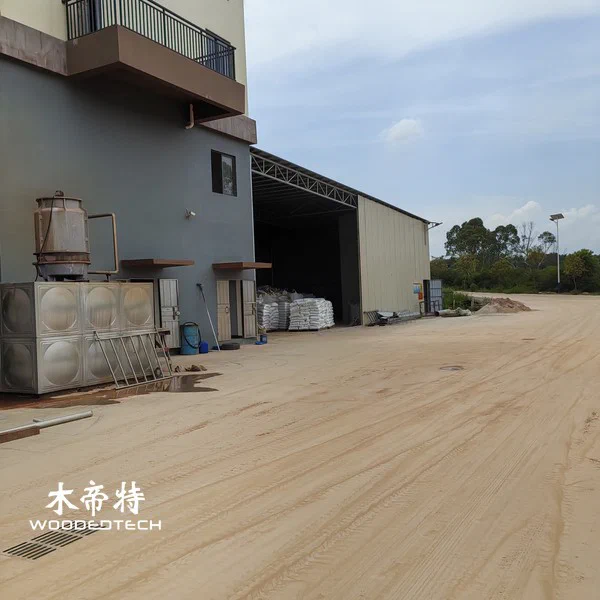
Installing composite decking boards without clips requires a reliable fixing method, accurate spacing, and careful preparation to achieve a stable outdoor surface. This B2B installation guide explains how professional installers can fit WPC decking and wall cladding systems using direct fastening techniques while maintaining durability and appearance.
Subframe preparation and layout planning

Before installing composite decking boards, prepare a strong and level subframe. The supporting structure can be made from aluminum joists, treated timber, or compatible WPC joists depending on the project requirements. Ensure the ground is stable, provide proper drainage, and keep the subframe elevated to prevent long-term moisture exposure.
Install joists at the recommended spacing according to the decking board specifications. Check alignment carefully because uneven joists can cause movement, surface distortion, or visible gaps after installation. For wall cladding applications, create a ventilated batten framework that allows airflow behind the panels and helps reduce moisture buildup.
Fixing composite boards without clips
When clips are not used, composite decking boards are usually installed with concealed screws or top-fixed stainless steel screws. Pre-drilling is recommended to prevent cracking and ensure accurate fixing, especially near board edges.
The basic fixing process includes:
- Position each composite board on the prepared subframe
- Leave the required expansion gaps between boards and at fixed structures
- Drill pilot holes before inserting screws
- Secure boards firmly without over-tightening
- Check surface alignment after each row
For WPC wall cladding, fixing methods depend on the panel profile. Boards can be attached to vertical or horizontal battens using screws through the fixing edge or suitable brackets. Always follow the manufacturer’s recommendations for screw type and spacing.
Expansion gaps, cutting, and finishing details
Composite materials expand and contract with temperature changes, so expansion gaps are essential. Leave space around walls, posts, drainage channels, and board ends to allow natural movement. The exact gap size depends on the board length, climate conditions, and product specifications.
Use carbide-tipped blades for cutting composite decking and wall panels to achieve clean edges. Measure twice before cutting, especially when installing around corners, stairs, or drainage areas. After cutting, remove sharp edges and ensure exposed ends are properly finished for a professional appearance.
Maintenance tips for long-term performance
WPC decking and cladding systems require less maintenance than natural wood, but regular care improves service life. Clean surfaces with mild soap and water to remove dirt, dust, and organic debris. Avoid harsh chemicals that may damage the protective surface layer.
Inspect fixing points, expansion gaps, and drainage areas periodically. For commercial projects, scheduled maintenance checks can help identify loose screws, surface stains, or structural issues before they affect the installation.
FAQ
Q: Can composite decking boards be installed without clips? A: Yes. Composite decking boards can be installed with direct screw fixing methods when the correct fasteners, spacing, and installation procedures are used.
Q: What tools are needed for WPC decking installation? A: Common tools include a measuring tape, drill, screwdriver, level, and carbide-tipped saw blade for accurate cutting.
Q: How often should WPC decking be maintained? A: Regular cleaning and periodic inspections are recommended to keep the surface attractive and ensure long-term performance.
Related Articles



Related Products
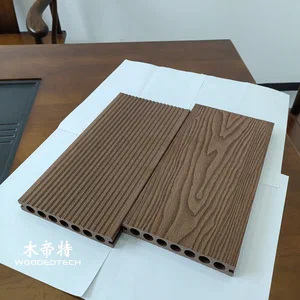 3D15023 First Generation 3D Embossed Composite Deck Boards With Stable Quality And High Performance For Premium Outdoor Projects
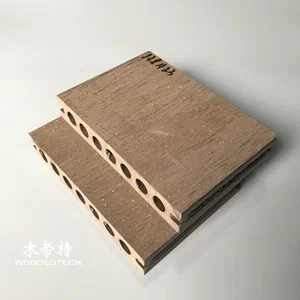 D13823 Round Hole Double Sided Flat WPC Bamboo Decking Boards With Strong Quality And Various Wood Grain Surface Treatments
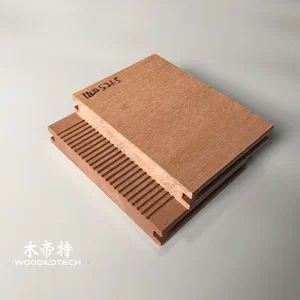 2D Wood Grain Solid Composite Decking D14021.5S Flat Surface