
Innovative WPC Outdoor Wall Panel Design Trends for Modern Architects
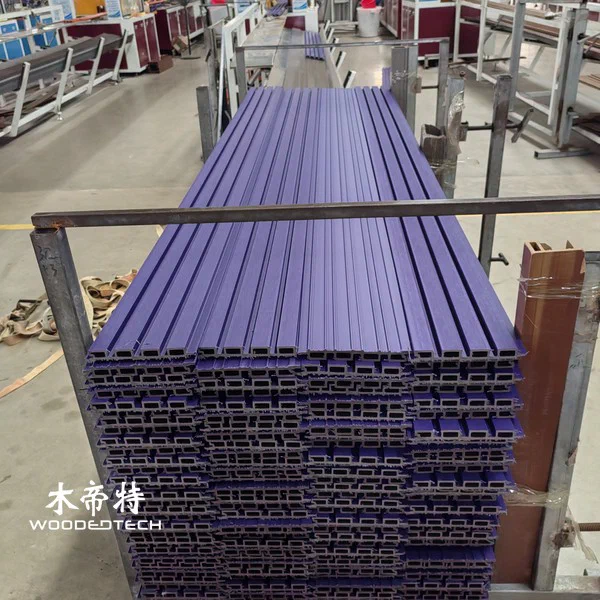
Innovative WPC outdoor wall panel design is becoming a practical priority for modern architects who want exterior systems that look refined, perform reliably, and support efficient installation. For commercial projects, hospitality facades, residential developments, and public buildings, WPC solutions offer a balanced combination of visual consistency, weather resistance, and low maintenance.

Why WPC Outdoor Wall Panels Are Gaining Attention
WPC, or wood plastic composite, combines the warm appearance of wood with the durability of engineered materials. For architects, that matters because exterior wall systems must do more than look attractive. They need to resist moisture, UV exposure, temperature changes, and long-term wear while still supporting a strong design concept.
Compared with traditional timber, WPC outdoor wall panel systems reduce concerns around warping, cracking, rot, and repeated repainting. Compared with some metal or cement-based cladding options, they can provide a softer architectural expression and a more comfortable visual scale. This is especially useful in projects where the facade must feel contemporary without appearing cold or industrial.
For B2B buyers, the commercial value is clear:
- Lower lifecycle maintenance
- More stable appearance over time
- Flexible profiles for different facade styles
- Easier coordination across large project volumes
- Better consistency for repeatable architectural details
Design Trend 1: Textured Surfaces and Realistic Wood Grain

This trend supports several project goals. It helps soften large wall areas, improves visual richness in daylight, and gives a premium finish without the upkeep associated with natural timber. In hospitality, retail, and residential developments, realistic grain finishes can make buildings feel more welcoming while maintaining a clean architectural language.
Design teams are also using texture to differentiate zones on the same building. For example, a smooth panel may be paired with a ribbed or grain-finished surface to define entrances, upper floors, or accent volumes.
Design Trend 2: Vertical and Horizontal Composition
Panel orientation has become a central design decision. Vertical layouts create height, rhythm, and a more elegant facade profile. Horizontal layouts emphasize length and continuity, which works well for low-rise commercial buildings, schools, and mixed-use developments.
Many architects are now combining both directions in one project. This creates visual movement and helps break up large elevations without adding complicated geometry. On urban projects, alternating orientation can also support wayfinding and facade hierarchy.
For specifiers, the value lies in flexibility. A single WPC wall panel system can often be used across multiple facade compositions, reducing the number of material types needed while keeping the design language cohesive.
Design Trend 3: 3D and Fluted Profiles
Depth is playing a larger role in exterior wall design. Flat surfaces still have a place, but many modern architects want wall systems that create shadow lines and a stronger sense of dimension. That is where 3D profiles and fluted patterns stand out.
These profiles add movement across the surface as sunlight changes throughout the day. They can make a facade feel more dynamic without relying on color alone. In commercial developments, this is useful for creating a high-end identity with relatively simple material specifications.
Fluted and 3D styles are also effective for zoning. They can highlight lobbies, column wraps, podium levels, and entry points. In larger projects, they help create visual variety while preserving overall material discipline.
Design Trend 4: Neutral, Architectural Color Palettes
Color direction in modern exterior design is moving toward warm neutrals, charcoal tones, muted browns, and stone-inspired shades. These colors align well with contemporary architecture and are easier to coordinate with aluminum, glass, concrete, and landscape elements.
For developers and contractors, neutral palettes reduce design risk. They tend to age better visually, fit multiple regional preferences, and support broad application across different building types. In projects with phased construction, consistent color control is especially important, because future expansion areas must match the original facade.
Architects are also using darker tones to frame volumes and lighter tones to soften prominent elevations. That contrast can improve facade readability without increasing material complexity.
Design Trend 5: Mixed-Material Facades
WPC wall panels are increasingly being used as part of mixed-material exterior systems rather than as a standalone finish. This is one of the most practical trends for modern architecture, because it allows designers to combine performance and aesthetics in a controlled way.
Common pairings include:
- WPC with aluminum framing
- WPC with glass curtain wall sections
- WPC with stone or ceramic cladding
- WPC with metal louvers or decorative screens
- WPC with concrete volumes for contrast
These combinations help buildings avoid a repetitive appearance. They also allow facade designers to assign different materials to different functional zones, such as shaded areas, exposed elevations, or public-facing entrances.
Performance Considerations That Matter to Architects
Good facade design is not only about appearance. For WPC systems, the technical details behind the finish are equally important. Buyers should evaluate panel thickness, UV resistance, water absorption behavior, fastening method, and color stability.
Key performance points include:
- Resistance to moisture in exterior conditions
- Stability under sun exposure and temperature swings
- Compatibility with subframes and building movement
- Surface durability in high-traffic or exposed areas
- Ease of cleaning and routine maintenance
For commercial projects, consistency across batches is critical. Architects and procurement teams should work with suppliers that can support project specifications, sample approval, and reliable production control. That reduces the risk of color variation or profile mismatch during installation.
Installation and Project Efficiency
Modern facade teams value materials that reduce labor time and simplify coordination on site. WPC outdoor wall panel systems are often selected because they can be installed with practical fixing methods and modular layouts. This supports faster project delivery, especially on large developments where schedule control matters.
Panel systems that integrate well with standard framing help reduce installation complexity. They can also improve alignment accuracy and make replacement easier if isolated damage occurs later. For contractors, this can mean lower labor risk. For developers, it means fewer delays and a more predictable handover.
Architects should also consider expansion gaps, ventilation, and substrate preparation during specification. A well-designed WPC facade depends on the complete assembly, not just the visible finish.
Selecting the Right Supplier for B2B Projects
For bulk orders and project-based procurement, supplier capability matters as much as product design. A reliable WPC partner should be able to support custom profiles, stable lead times, technical documentation, and consistent quality control.
When comparing suppliers, ask for:
- Project references in similar climates
- Sample boards with actual surface finish
- Technical data for weather and UV performance
- Production capacity for repeat orders
- Support for custom dimensions or profiles
This is especially important when the design depends on coordinated facade modules across multiple buildings or phases. A good supplier helps protect both the design intent and the construction schedule.
FAQ
Q: What makes WPC outdoor wall panels suitable for modern architecture? A: They combine a wood-like appearance with weather resistance, low maintenance, and flexible profile design for contemporary facades.
Q: Are WPC wall panels suitable for commercial buildings? A: Yes. They are widely used in offices, retail projects, hospitality, residential developments, and public buildings because they offer consistent performance and a polished look.
Q: Can WPC panels be used with other facade materials? A: Yes. They work well with aluminum, glass, stone, concrete, and decorative metal systems to create mixed-material exterior designs.
Q: Do WPC outdoor wall panels require a lot of maintenance? A: No. They are generally easier to maintain than natural wood, with no need for regular painting or sealing in most applications.
Q: What should architects check before specifying WPC panels? A: They should review UV resistance, moisture performance, color stability, fixing details, and supplier quality consistency.
Related Articles
Related Products
 B17010 Plastic Wood Look Siding Provides Decorative Thin Boards for Modern Outdoor Wall Applications
 B7112 WPC Panel Design Exterior Boards Offer Stocked Fence Strips for Outdoor Decoration and Edge Finishing
 WPC Wall Panel Accessories Offer Complete Solutions with Various Common and Specialized Installation Parts