
Innovative WPC Fence Vertical Solutions for Sustainable Outdoor Spaces in 2023
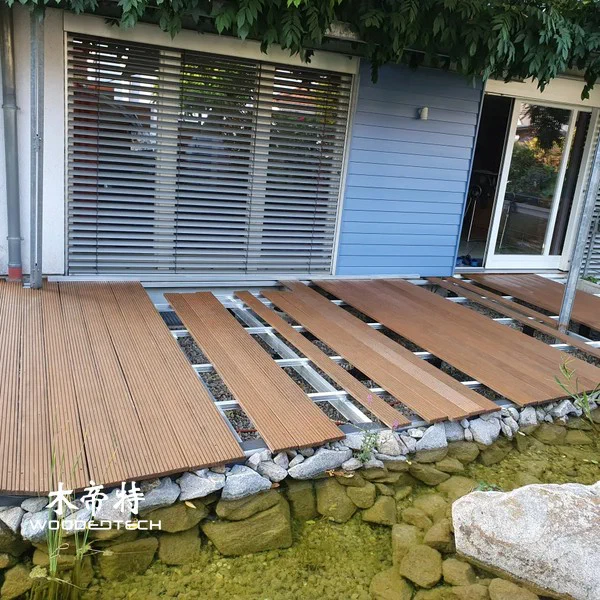
Outdoor wood plastic composite (WPC) materials are gaining recognition as an environmentally friendly alternative in construction and landscaping. These products, made from a blend of recycled wood and plastic, not only reduce the need for virgin timber but also offer durability and low maintenance, making them an appealing choice for sustainable outdoor spaces.
Recycled Materials
One of the standout features of outdoor WPC is its use of recycled materials. By incorporating reclaimed wood and recycled plastics, WPC products contribute to waste reduction. This process not only helps divert materials from landfills but also lessens the demand for new resources, which can be environmentally taxing to extract and process. Using these recycled materials ensures that WPC products are not just functional but also contribute positively to the circular economy.
Reduced Wood Consumption
The manufacturing of WPC significantly decreases the reliance on traditional lumber. As deforestation and habitat destruction remain pressing global issues, opting for WPC can help alleviate some of the pressure on forests. With WPC, you can achieve the aesthetic appeal of wood without the associated environmental impact. This is particularly important for outdoor applications, where the durability and weather resistance of WPC make it a suitable substitute for wood fences, decks, and other structures.
Durability

WPC is engineered for longevity. Its resistance to rot, insects, and weathering makes it an excellent choice for outdoor use. Unlike traditional wood, which may warp, crack, or splinter over time, WPC maintains its integrity and appearance for years with minimal degradation. This durability translates to fewer replacements and repairs, further reducing the environmental footprint associated with manufacturing and disposal.
Low Maintenance Advantages
Another significant benefit of outdoor WPC is its low maintenance requirements. Traditional wood often needs regular staining, sealing, and painting to preserve its appearance and protect it from the elements. In contrast, WPC typically requires little more than occasional cleaning with soap and water. This ease of upkeep not only saves time and labor but also reduces the need for chemical treatments, which can be harmful to the environment.
Incorporating WPC solutions into outdoor spaces aligns with sustainable practices while providing aesthetic and functional benefits. As demand for eco-friendly building materials continues to rise, WPC stands out as a compelling option for those looking to create sustainable outdoor environments without compromising on quality or style.
Related Articles
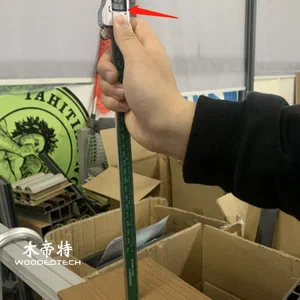 Evaluating Top Brands of Composite Decking for Sustainable Building Solutions
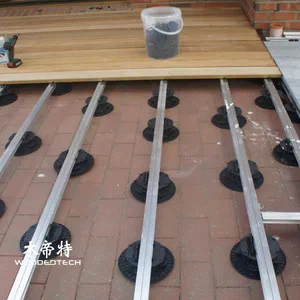 Exploring WPC Plywood: The Future of Sustainable Building Materials in 2023
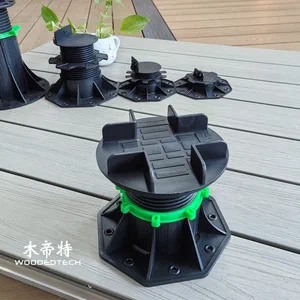 WPC Timber: The Sustainable Solution for Modern Industrial Applications in 2023
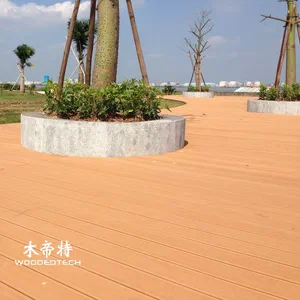 Evaluating Safety Standards: Is WPC Flooring Toxic for Commercial Use in 2023?
Related Products
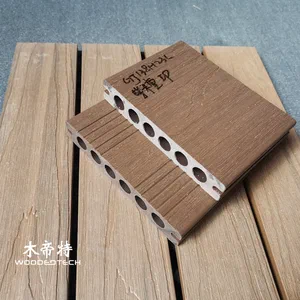 GD13823-3 Composite Boards for Decking Are Available in Multiple Stock Colors with 3 Meter Lengths and Single Piece Delivery
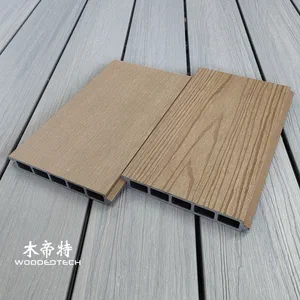 3DGL18024 WPC Longboard Fence Features Premium Co Extruded 3D Embossed Teak Wood Grain Texture with Realistic Natural Wood Fibers
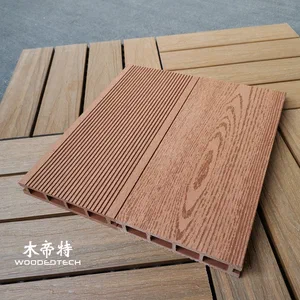 The Classic D14025-4 Red Wood WPC Wood Sheet Features a Timeless 2D Flat Wood Grain Design That Remains Popular After Twenty Years