
Innovative WPC Decking Platform Solutions for Sustainable Outdoor Spaces in 2023
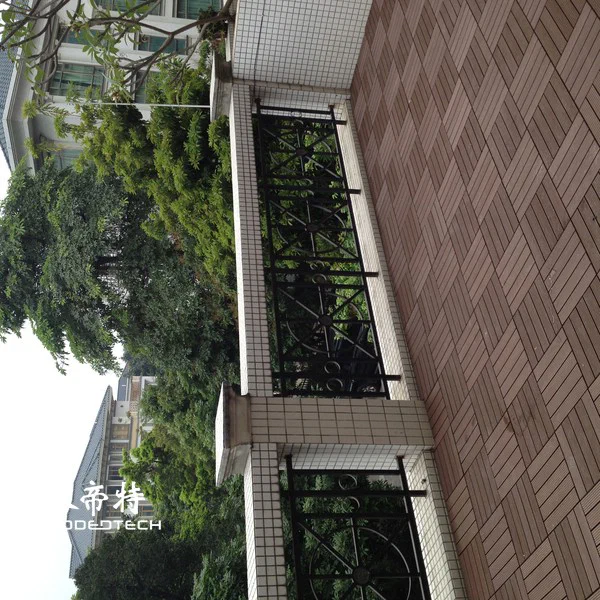
Outdoor wood-plastic composite (WPC) is gaining recognition as a sustainable building material that offers a compelling alternative to traditional wood products. This innovative material combines recycled plastics and wood fibers, thereby reducing the need for natural resources and promoting environmental sustainability.
Recycled Materials
One of the primary advantages of outdoor WPC is its composition, which predominantly includes recycled materials. By utilizing waste plastics and reclaimed wood fibers, WPC helps divert these materials from landfills, consequently minimizing environmental impact. The recycling process not only reduces pollution but also lessens the demand for virgin resources, making WPC a more sustainable choice for construction and landscaping projects.
Reduced Wood Consumption
The use of WPC significantly decreases the consumption of natural wood, which is vital for preserving forests and maintaining biodiversity. As more builders and homeowners turn toward WPC for decking, fencing, and other outdoor applications, the pressure on timber resources diminishes. This transition not only aids in conserving forests but also contributes to the overall reduction of deforestation, making WPC an eco-friendly alternative that aligns with responsible building practices.
Durability
Durability is another key factor that positions outdoor WPC as a superior option. Unlike traditional wood, which is susceptible to rot, splintering, and insect damage, WPC is designed to withstand harsh weather conditions and heavy foot traffic. Its resistance to moisture and UV rays ensures that it maintains its appearance and structural integrity over time. This longevity means fewer replacements and repairs, further reducing the environmental footprint associated with manufacturing and disposing of building materials.
Low-Maintenance
In addition to its durability, outdoor WPC requires minimal maintenance compared to wood. It does not require regular staining, sealing, or painting, which often involves chemical treatments that can be harmful to the environment. Instead, WPC can be easily cleaned with soap and water, making it a practical option for busy homeowners and commercial spaces alike. This low-maintenance characteristic not only saves time and money but also contributes to a more sustainable lifestyle by reducing the need for harmful maintenance products.

Adopting outdoor WPC for your projects is a step towards creating sustainable outdoor spaces that are both functional and environmentally friendly. By choosing materials that prioritize recycling, durability, and low-maintenance, builders and consumers alike can support a greener future while enjoying the aesthetic appeal of wood-like finishes.
Related Articles
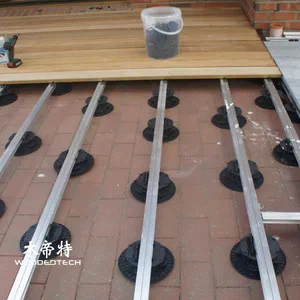 Exploring WPC Plywood: The Future of Sustainable Building Materials in 2023
 WPC Cladding Wall Solutions Provide Decorative and Protective Exterior Building Surfaces
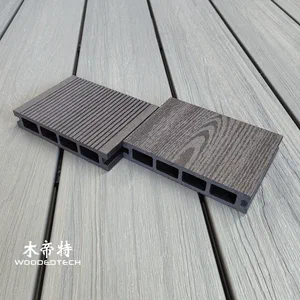 extruded wood composites provide versatile material solutions for modern outdoor construction
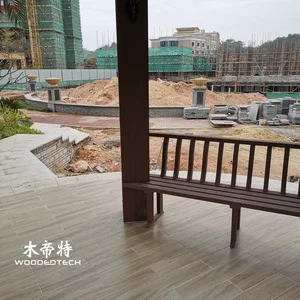 Exploring the Benefits of Synthetic Wood Ceiling Solutions for Commercial Spaces in 2023
Related Products
 GD13823-3 Composite Boards for Decking Are Available in Multiple Stock Colors with 3 Meter Lengths and Single Piece Delivery
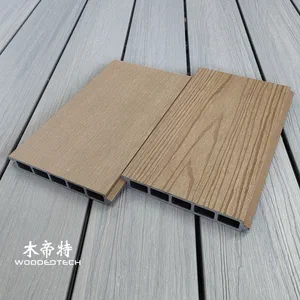 3DGL18024 WPC Longboard Fence Features Premium Co Extruded 3D Embossed Teak Wood Grain Texture with Realistic Natural Wood Fibers
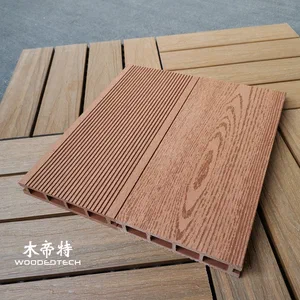 The Classic D14025-4 Red Wood WPC Wood Sheet Features a Timeless 2D Flat Wood Grain Design That Remains Popular After Twenty Years