
Innovative Wood Composite Decking Material Solutions for Sustainable Construction in 2023
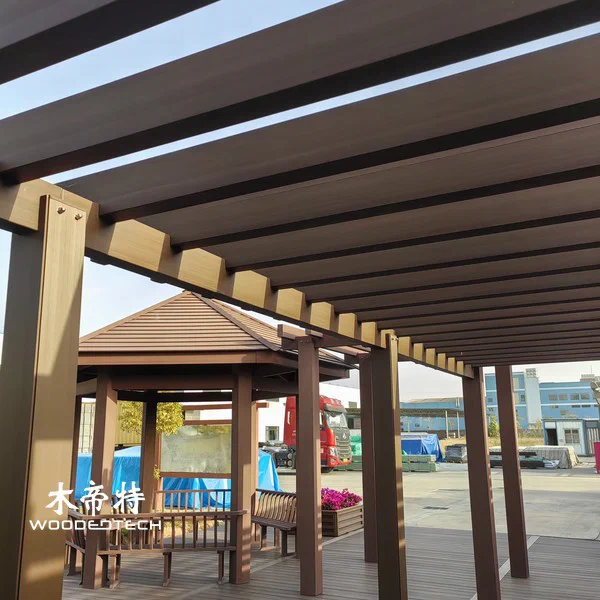
Outdoor wood plastic composite (WPC) decking is gaining recognition as an environmentally friendly alternative to traditional wood decking. This innovative material combines recycled plastics and wood fibers, reducing the demand for natural timber while offering exceptional durability and low maintenance.
Recycled Materials
One of the standout features of outdoor WPC is its use of recycled materials. By incorporating reclaimed wood fibers and recycled plastics, WPC minimizes waste and diverts materials from landfills. This process not only conserves natural resources but also reduces the carbon footprint associated with producing new materials. The result is a sustainable solution that aligns with modern eco-conscious building practices.
Reduced Wood Consumption

The production of outdoor WPC significantly lowers the demand for traditional wood. By replacing a substantial portion of wood with recycled materials, WPC helps preserve forests and ecosystems. This is particularly important in an age where deforestation presents a significant environmental challenge. Utilizing WPC in construction projects allows builders to contribute to sustainability efforts while still delivering high-quality products.
Durability
Outdoor WPC is designed to withstand the elements, making it a durable choice for outdoor applications. Unlike traditional wood, which can warp, crack, or splinter, WPC retains its integrity over time. It is resistant to moisture, insects, and UV rays, which extends its lifespan and reduces the need for frequent replacements. This durability ensures that outdoor spaces remain functional and aesthetically pleasing for years, providing additional environmental benefits by reducing the frequency of material replacement.
Low-Maintenance Advantages
One of the most appealing aspects of outdoor WPC is its low-maintenance nature. Unlike wood, which typically requires regular treatments with stains, sealants, or paints to maintain its appearance and prevent damage, WPC requires minimal upkeep. A simple wash with soap and water is usually sufficient for cleaning, saving both time and resources. This ease of maintenance not only benefits homeowners but also reduces the environmental impact associated with chemical treatments and maintenance products.
Incorporating outdoor WPC into sustainable construction projects is a step toward a greener future. Its combination of recycled materials, reduced wood consumption, durability, and low maintenance make it an excellent choice for anyone looking to balance aesthetics with environmental responsibility.
Related Articles
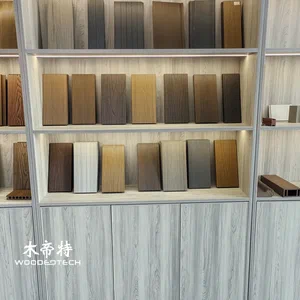 The Benefits of Composite Decking for Boat Floors: A Durable Choice for 2023
 Composite Decking Made Of Recycled Materials Provides Eco Friendly Solutions for Modern Outdoor Spaces
 Understanding Decking Boards Composite Price: A Comprehensive Guide for 2023
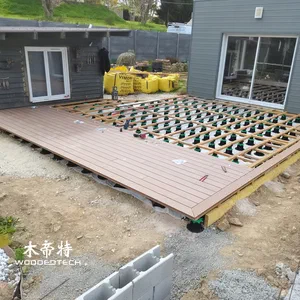 Composite for Decking: Material Selection, Performance, and Industry Applications
Related Products
 GD13820 M Shape Co Extruded Composite Deck Planks Feature a Special Profile Design for Distinctive Outdoor Decking Applications
 GD13823-3 Composite Boards for Decking Are Available in Multiple Stock Colors with 3 Meter Lengths and Single Piece Delivery
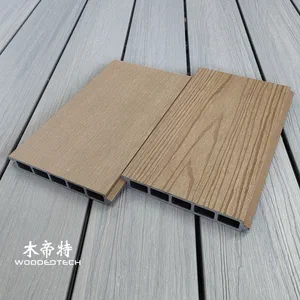 3DGL18024 WPC Longboard Fence Features Premium Co Extruded 3D Embossed Teak Wood Grain Texture with Realistic Natural Wood Fibers