Innovative Uses of WPC Planters in Sustainable Landscaping Solutions for 2023
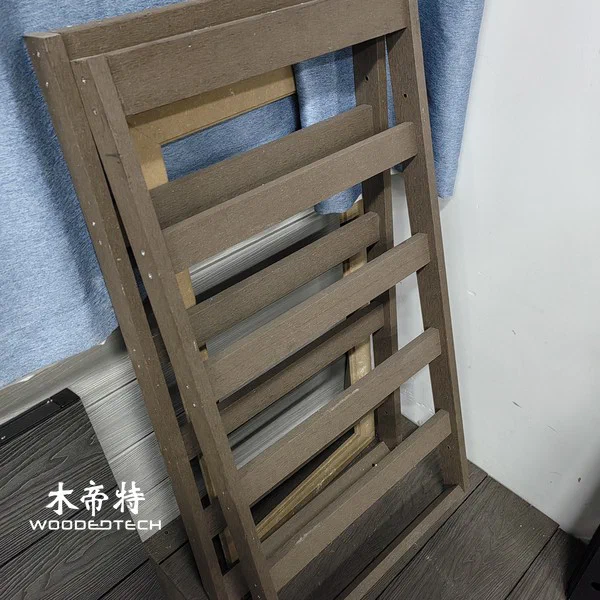
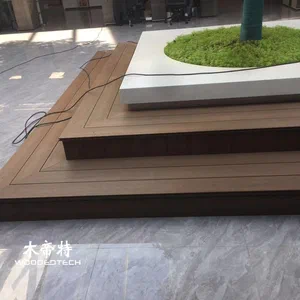
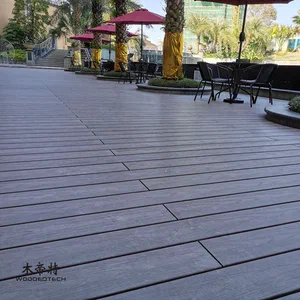
WPC (Wood-Plastic Composite) materials are increasingly popular in sustainable landscaping, particularly for creating planters. Architects and landscape designers leverage WPC products to design outdoor environments that are both durable and low-maintenance. This article explores the innovative applications of WPC planters in sustainable landscaping for 2023, focusing on project considerations and material selection advice.
Benefits of WPC in Landscaping
WPC offers numerous advantages over traditional materials. These composites are resistant to rot, decay, and pests, making them ideal for outdoor use. Additionally, WPC products require minimal maintenance, which can significantly reduce long-term costs for landscape projects. They are also eco-friendly, as they are often made from recycled materials, contributing to sustainable building practices.
Some key benefits include:

- Durability against weather elements
- Low maintenance requirements
- Eco-friendly composition
- Versatile design options
Project Considerations
When integrating WPC planters into landscape projects, several factors should be taken into account. First, the climate of the project location plays a crucial role in material selection. For regions with extreme temperatures, choosing a WPC product designed to withstand such conditions is essential.
Next, the intended use of the planter should be considered. Will it hold heavy plants or trees? If so, ensure that the chosen WPC material can bear the weight and provide adequate support. Additionally, consider the design aesthetics that align with the overall landscape vision. WPC products come in various colors and textures, allowing designers to create visually appealing outdoor spaces.
Material Selection Advice
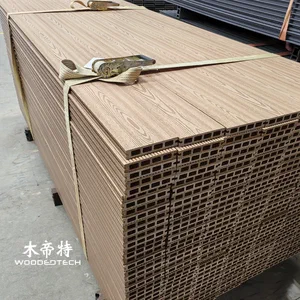
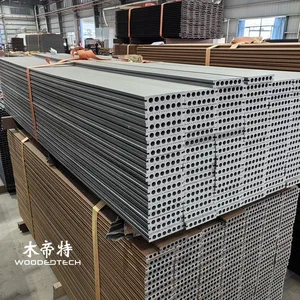
Selecting the right WPC material involves understanding its properties and how they align with project goals. Look for fully capped WPC products, which provide enhanced protection against moisture and staining, ensuring longevity and maintaining appearance. Furthermore, consider options that feature anti-slip surfaces, especially for planters located in high-traffic areas.
Designers should also evaluate the sourcing of materials. Opt for suppliers that prioritize sustainable practices, such as using post-consumer recycled content. This not only supports eco-friendly initiatives but can also enhance the project’s marketability.
Innovative Design Trends
In 2023, several design trends are emerging in the use of WPC planters within sustainable landscaping. Vertical gardens and green walls are gaining traction, allowing urban areas to incorporate more greenery in limited spaces. WPC planters can serve as structural components for these installations, providing a sturdy base while enhancing design flexibility.
Another trend is the integration of smart technology into planters. This includes self-watering systems or sensors that monitor soil moisture levels, which can significantly optimize plant health while minimizing water waste.
Designers are also exploring mixed materials, combining WPC with natural stone or metal accents to create unique planter designs that stand out in outdoor spaces.
By understanding the benefits and considerations of WPC materials, architects and landscape designers can effectively incorporate WPC planters into their projects, paving the way for sustainable and visually appealing outdoor environments.