
Innovative Uses of Recycled Plastic Wood Panels in Sustainable Construction Solutions
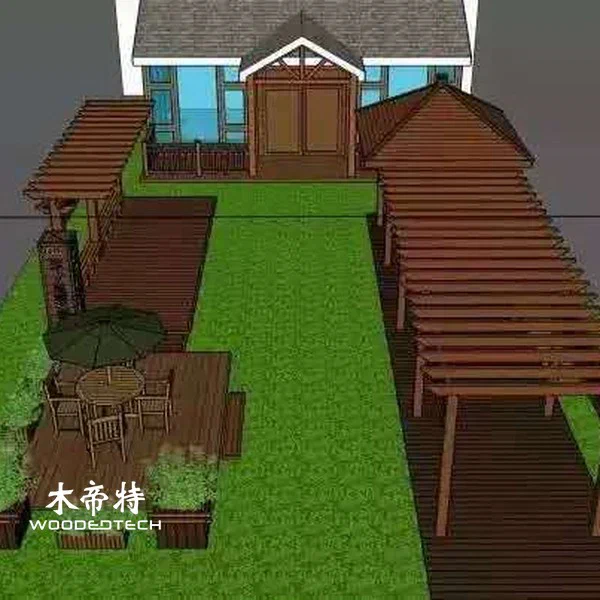
Outdoor wood plastic composite (WPC) is becoming a popular choice in sustainable construction due to its eco-friendly attributes. By utilizing recycled materials and reducing reliance on natural wood, WPC presents a more sustainable alternative while offering significant durability and low-maintenance benefits.
Use of Recycled Materials

One of the key advantages of outdoor WPC is its composition, which often includes recycled plastics and wood fibers. This repurposing of materials not only reduces waste in landfills but also minimizes the extraction of virgin resources. The integration of these recycled components contributes to a circular economy, where materials are reused, leading to less environmental impact.
Reduced Wood Consumption
The manufacturing of WPC significantly lessens the demand for traditional timber. By substituting a portion of wood with recycled plastic, the pressure on forests is alleviated. This shift not only helps in conserving forests but also protects biodiversity and reduces carbon emissions associated with logging activities. As more builders turn to WPC, the overall consumption of wood in construction decreases, promoting a more sustainable industry.
Durability and Longevity
WPC products are engineered for durability, resisting the common issues associated with traditional wood, such as warping, splintering, and insect infestations. The combination of plastic and wood fibers results in a material that withstands weathering and retains its aesthetic appeal over time. This longevity means that WPC structures require fewer replacements and repairs, ultimately leading to a reduction in material waste over the lifecycle of the product.
Low-Maintenance Solutions
Maintenance can often be a burden with traditional wood materials, requiring regular staining, sealing, and treatment to preserve appearance and functionality. In contrast, outdoor WPC is designed to be low-maintenance. It typically requires only periodic cleaning with soap and water to maintain its look. This low-maintenance nature not only saves time and effort but also reduces the need for chemical treatments, making it a safer choice for the environment.
Related Articles
 Evaluating Top Brands of Composite Decking for Sustainable Building Solutions
 Exploring WPC Plywood: The Future of Sustainable Building Materials in 2023
 WPC Building Materials Provide Sustainable Solutions For Modern Construction And Outdoor Projects
 Discover the Leading WPC Wall Panels Factory: Quality Solutions for Your Business Needs
Related Products
 B30014 Plastic Wood 4x8 Sheets Provide Wide Thin Boards for Large Outdoor Display and Surface Applications
 B7015 HDPE Wood Composite Boards Are Commonly Used for Small Outdoor Garden Fence and Decorative Projects
 T10050 plastic wood panels exterior are suitable for creating durable outdoor landscape handrails and railing systems