
Innovative Uses of Plastic Wood Benches in Modern Outdoor Furniture Design: 2023 Insights
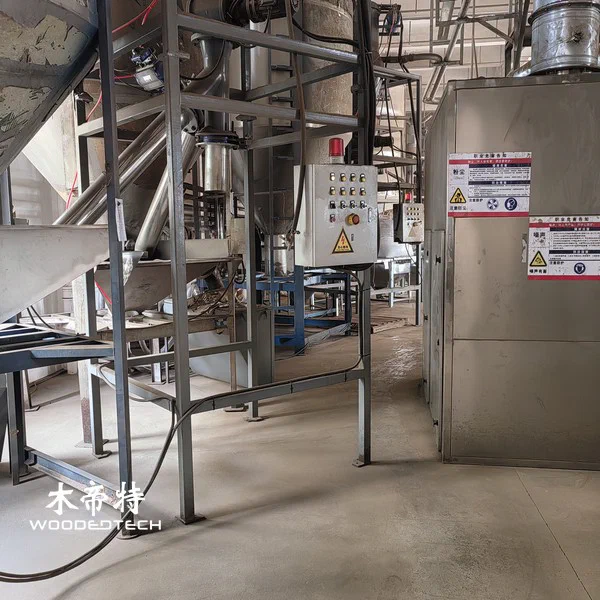
The use of plastic wood benches in outdoor furniture design has evolved significantly, reflecting modern aesthetics and functional needs. As the demand for sustainable and durable materials grows, designers are increasingly leaning towards innovative solutions like wood plastic composites (WPC). This article explores the latest trends and how they enhance outdoor spaces.
Modern Aesthetics
Today’s outdoor spaces are designed to be extensions of indoor living areas, and plastic wood benches fit seamlessly into this vision. Their clean lines and refined finishes cater to contemporary tastes while offering the warmth of traditional wood. Designers are utilizing a variety of colors and textures, allowing for personalized choices that complement various landscaping themes.
- Popular color options include natural wood tones, deep grays, and even vibrant shades.
- Textured finishes mimic the look and feel of real wood, providing both elegance and practicality.

Functional Design
The design of plastic wood benches has become more versatile, promoting functionality alongside style. Many modern benches are designed with modularity in mind, allowing for easy configuration to suit different spaces and needs. This adaptability is ideal for both residential and commercial environments, enabling users to create customized seating arrangements.
- Modular designs can be expanded or reconfigured as needed.
- Built-in features, such as storage compartments and integrated planters, enhance the utility of benches.
Durability and Maintenance
A significant advantage of using plastic wood materials in outdoor furniture is their resistance to the elements. Unlike traditional wood, WPC benches do not warp, crack, or splinter, ensuring longevity and minimal maintenance. This durability translates to lower total cost of ownership, making them an appealing choice for both homeowners and businesses.
- Resistant to moisture, UV rays, and insect damage.
- Requires minimal upkeep compared to traditional wooden benches.
Eco-Friendly Solutions
Sustainability is a crucial aspect of modern design, and plastic wood benches contribute positively in this regard. Made from recycled materials, they provide an environmentally friendly alternative to natural wood, reducing deforestation and promoting recycling.
- Many manufacturers are committed to using post-consumer waste in their products.
- Choosing WPC benches supports a circular economy and reduces carbon footprints.
Enhanced Outdoor Experiences
In addition to their aesthetic and functional qualities, plastic wood benches play a vital role in enhancing the overall outdoor experience. They encourage social interaction and relaxation, making outdoor spaces more inviting. Designers are focusing on how these benches can be integrated with other elements like pergolas, gazebos, and outdoor lighting to create cohesive environments.
- Benches can be arranged around fire pits or outdoor dining areas to foster gatherings.
- Combining benches with greenery or water features enhances the tranquility of outdoor spaces.
The innovative uses of plastic wood benches reflect a shift towards environmentally responsible, durable, and stylish outdoor furniture. As designers continue to explore the potential of WPC materials, these benches will remain a staple in modern outdoor design, elevating both aesthetics and functionality.
Related Articles
 Understanding WPC Panel Sizes: A Comprehensive Guide for Industrial Applications
 Solid Composite for Strong Durable Outdoor Decking Panels and Architectural Applications
 Wood Plastic Composite Panels for Outdoor Walls Cladding Fences Decking and Architectural Applications
 Exploring the Benefits of Plastic Wood Look Cladding for Modern Industrial Applications
Related Products
 GD13823-3 Composite Boards for Decking Are Available in Multiple Stock Colors with 3 Meter Lengths and Single Piece Delivery
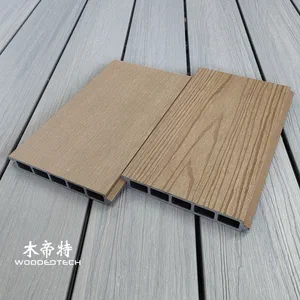 3DGL18024 WPC Longboard Fence Features Premium Co Extruded 3D Embossed Teak Wood Grain Texture with Realistic Natural Wood Fibers
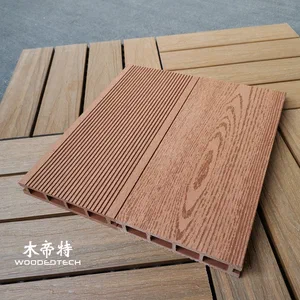 The Classic D14025-4 Red Wood WPC Wood Sheet Features a Timeless 2D Flat Wood Grain Design That Remains Popular After Twenty Years