
Innovative Uses of Composite Decking for Planters: Enhancing Sustainability in 2023
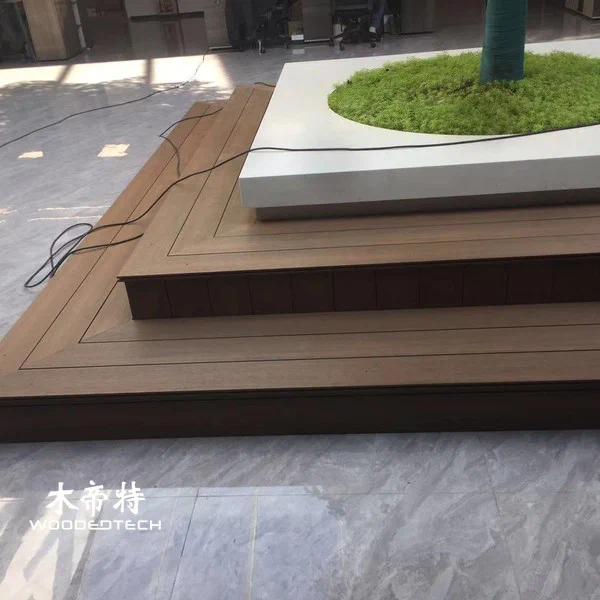
Outdoor wood plastic composite (WPC) decking is gaining traction as a sustainable building material, particularly in applications like planters. This eco-friendly alternative combines recycled materials with innovative design to reduce wood consumption while offering durability and low-maintenance benefits.
Recycled Materials and Reduced Wood Consumption
One of the key components of WPC is its use of recycled materials, primarily plastic and wood fibers. By repurposing these materials, WPC significantly lessens the demand for virgin timber, helping to conserve forests and biodiversity. This practice not only minimizes deforestation but also reduces the overall carbon footprint associated with the production of traditional wood products. With growing environmental concerns, the shift towards WPC is a proactive step in creating a more sustainable future.
Durability and Longevity
WPC is engineered to withstand the elements, making it an ideal choice for outdoor applications such as planters. Unlike traditional wood, which can warp, splinter, or rot over time, WPC maintains its structural integrity and appearance in various weather conditions. The material is resistant to moisture, insects, and UV rays, ensuring that planters made from WPC can last for many years without significant degradation. This durability translates to less frequent replacements and lower overall resource consumption.
Low Maintenance Advantages

Another advantage of WPC is its low maintenance requirements. Conventional wooden planters often need regular staining, sealing, or painting to protect against the elements. In contrast, WPC requires minimal upkeep—typically just periodic cleaning with soap and water. This ease of maintenance not only saves time and effort but also reduces the use of harmful chemicals that can have adverse effects on the environment.
Versatile Design Options
WPC is highly versatile, allowing for a wide range of design possibilities. From sleek modern aesthetics to rustic finishes, WPC can be customized to fit various styles and preferences. This adaptability makes it suitable for both residential and commercial applications. By using WPC for planters, businesses and homeowners can create visually appealing outdoor spaces that align with sustainable practices.
Conclusion
As the demand for environmentally friendly building materials continues to grow, outdoor WPC decking stands out as a practical and sustainable alternative. With its combination of recycled materials, reduced wood consumption, impressive durability, and low maintenance, WPC is well-suited for innovative uses like planters, contributing to a greener future.
Related Articles
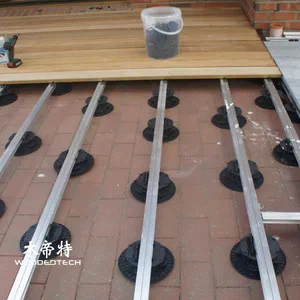 Exploring WPC Plywood: The Future of Sustainable Building Materials in 2023
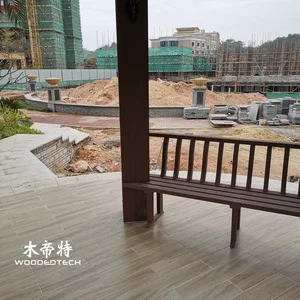 Exploring the Benefits of Synthetic Wood Ceiling Solutions for Commercial Spaces in 2023
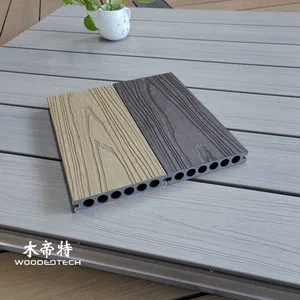 Exploring the Benefits of WPC Coffee: A Sustainable Solution for 2024
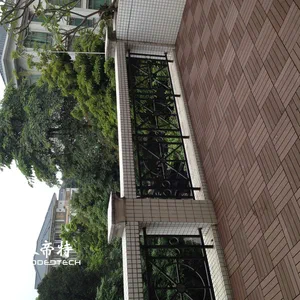 Innovative WPC Decking Platform Solutions for Sustainable Outdoor Spaces in 2023
Related Products
 B30014 Plastic Wood 4x8 Sheets Provide Wide Thin Boards for Large Outdoor Display and Surface Applications
 B7015 HDPE Wood Composite Boards Are Commonly Used for Small Outdoor Garden Fence and Decorative Projects
 T10050 plastic wood panels exterior are suitable for creating durable outdoor landscape handrails and railing systems