
Innovative Trends in Composite Deck Floor Manufacturing for 2024 Industry Standards
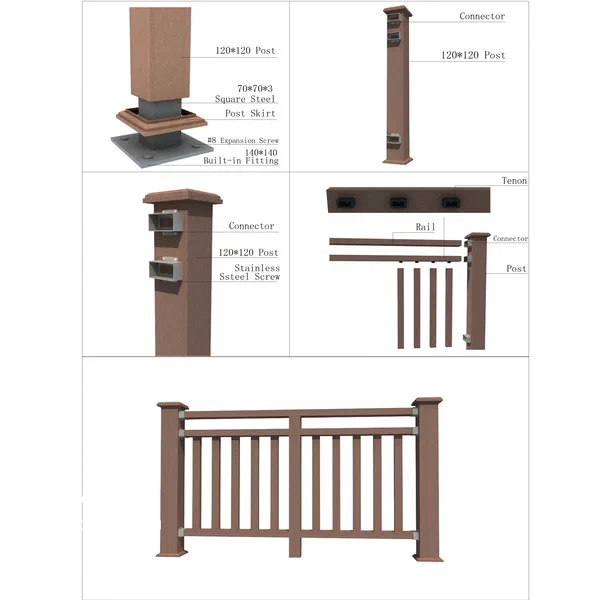
Designing high-performance wood plastic composites (WPCs) for outdoor applications such as decking, wall cladding, fencing, pergolas, and landscape products requires a careful balance of materials and additives. The goal is to enhance durability while maintaining aesthetic appeal and cost-effectiveness.
Material Composition
The primary components of WPCs are wood fibers and plastic. The ratio of these two materials significantly impacts the performance characteristics of the final product. Increasing the wood fiber content can enhance the natural look and feel, providing a more traditional aesthetic. However, higher wood content can also lead to increased moisture absorption, potentially causing swelling or warping.
Conversely, a higher plastic ratio can enhance moisture resistance and longevity. Typically, a balance of 50% wood fibers to 50% plastic is common, but this can be adjusted based on specific performance requirements, such as improved weather resistance or enhanced structural integrity.
Additives and Enhancements
Additives play a crucial role in optimizing WPC performance. Common additives include:
- UV Stabilizers: To protect against sun damage and fading.
- Anti-fungal Agents: To prevent mold and mildew growth.
- Colorants: For aesthetic enhancement.
- Fire Retardants: To improve safety, particularly in residential areas.
Using the right combination of these additives can enhance both the lifespan and safety of the final product. It’s essential to choose high-quality additives to avoid compromising the composite’s structural integrity.

Cost Control Strategies
While high-quality materials and additives can improve performance, they can also drive up production costs. To maintain profitability, manufacturers should consider:
- Sourcing Local Materials: This can reduce transportation costs and support local economies.
- Optimizing Production Processes: Streamlining manufacturing methods can reduce waste and enhance efficiency.
- Exploring Bulk Purchase Agreements: Securing materials at a lower cost through bulk buying can significantly lower overall expenses.
By carefully managing costs while ensuring quality, companies can remain competitive in the WPC market.
Product Lifespan
The lifespan of WPC products is influenced by the material composition, environmental factors, and maintenance practices. High-performance WPCs can last up to 25 years with proper care. To extend the lifespan, manufacturers should educate consumers on maintenance practices, such as regular cleaning and the use of protective coatings.
Additionally, focusing on the development of fully capped composite products can enhance durability. These products feature a protective outer layer that shields the core from moisture and UV damage, further extending their lifespan.
Innovative Manufacturing Techniques
Adopting innovative manufacturing techniques such as co-extrusion can also enhance product quality. This process involves extruding a protective layer over the composite core, which significantly improves surface properties and reduces maintenance needs. Co-extruded products offer better resistance to scratching, staining, and fading, making them ideal for outdoor use.
Exploring 3D embossed finishes can create visually appealing textures that mimic natural wood grain, enhancing the aesthetic appeal of WPC products. This innovative approach can attract customers looking for both functionality and design.
Investing in research and development to stay ahead of trends and consumer preferences is essential. As the market evolves, adapting to new technologies and material science advancements can set a company apart from its competitors.
Related Articles
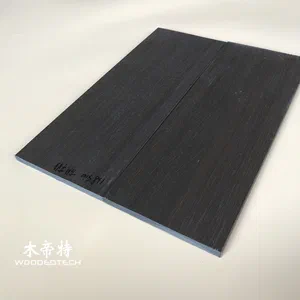
Related Products
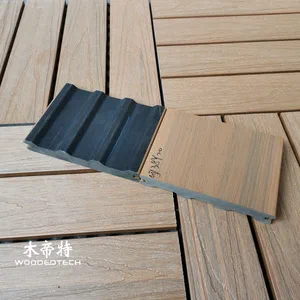 GD13820 M Shape Co Extruded Composite Deck Planks Feature a Special Profile Design for Distinctive Outdoor Decking Applications
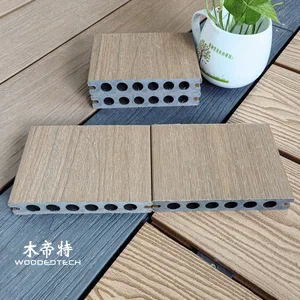 GD13823 Double Sided Flat Surface Co Extruded WPC Decking Features a Popular Width and Thickness with Round Hollow Structure
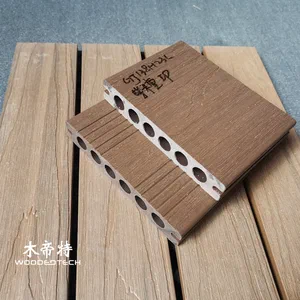 GD13823-3 Composite Boards for Decking Are Available in Multiple Stock Colors with 3 Meter Lengths and Single Piece Delivery