
Innovative Solutions: Installing Composite Decking on Existing Decks in 2023
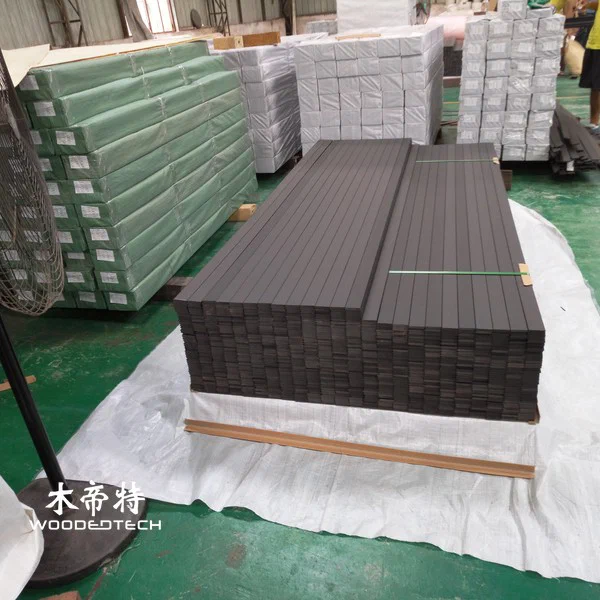
Installing composite decking on existing decks is an innovative solution that combines durability with aesthetics. This guide will walk you through the essential steps for successfully installing WPC (Wood Plastic Composite) decking and wall cladding systems, ensuring a sturdy and visually appealing finish.
Subframe Preparation
Before beginning your installation, inspect the existing deck for stability. Ensure that the subframe is structurally sound, free of rot, and capable of supporting the additional weight of the new decking. Here’s how to prepare:
- Clear the existing deck of any furniture, debris, and loose boards.
- Check all joists for integrity. Replace any damaged or rotting sections.
- If necessary, add additional joists to meet the recommended spacing for composite decking, typically 16 inches on center.
- Clean the surface to remove any dirt, moss, or mildew.
Fixing Methods
When installing WPC decking, the fixing method is crucial for a long-lasting result. You can choose between hidden fasteners or screws, depending on the desired finish:
- Hidden Fasteners: These are typically the preferred method as they provide a clean look. Use manufacturer-recommended clips that secure the boards without visible screws.
- Screws: If opting for traditional screws, ensure they are specifically designed for composite materials to prevent splitting. Pre-drill holes to avoid damaging the boards.
Expansion Gaps
Composite materials expand and contract with temperature changes. Accounting for this movement is essential to prevent warping or buckling:
- Maintain a minimum gap of 1/4 inch between the decking boards and any fixed structures (walls, railings, etc.).
- Leave at least 1/8 inch between the boards themselves, especially in areas with high temperature fluctuations.
- If installing alongside a wall or other structure, consider adding a 1/2 inch gap to allow for expansion.
Cutting Techniques
Proper cutting techniques will ensure clean edges and fit:
- Use a circular saw fitted with a fine-tooth blade to minimize chipping.
- When cutting, support the board adequately to prevent bowing.
- Always measure twice before cutting to ensure accuracy, especially for boards that will fit into specific spaces.
Maintenance Tips
To keep your composite decking looking its best, regular maintenance is key:
- Clean the surface regularly with a broom or leaf blower to remove debris.
- Use a mild soap solution and a soft-bristle brush for deeper cleaning. Avoid harsh chemicals that could damage the surface.
- Inspect the boards annually for signs of wear, such as fading or splitting, and address any issues promptly.
- Rinse the deck with water after heavy rainfall to prevent mold and mildew buildup.

Following these steps will ensure a successful installation of WPC decking and wall cladding systems on your existing deck. With proper planning and maintenance, you will enjoy a beautiful, durable outdoor space for years to come.
Related Articles
 Essential Guide to Installing Wear Deck Composite Decking: Best Practices for 2023
 Best Practices for Installing Composite Decking on Stairs: A Comprehensive Guide for 2023
 Replacing Old Deck Boards with Composite: A Guide to Durable Decking Solutions
 Decking Composite Pool Solutions Provide Safe and Attractive Surfaces Around Swimming Areas
Related Products
 GD13820 M Shape Co Extruded Composite Deck Planks Feature a Special Profile Design for Distinctive Outdoor Decking Applications
 GD13823-3 Composite Boards for Decking Are Available in Multiple Stock Colors with 3 Meter Lengths and Single Piece Delivery
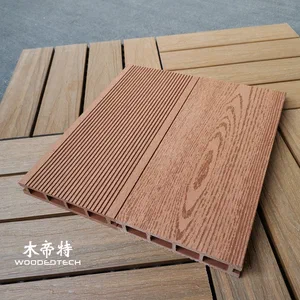 The Classic D14025-4 Red Wood WPC Wood Sheet Features a Timeless 2D Flat Wood Grain Design That Remains Popular After Twenty Years