
Innovative Solutions for WPC Exterior Doors: Enhancing Durability in 2023
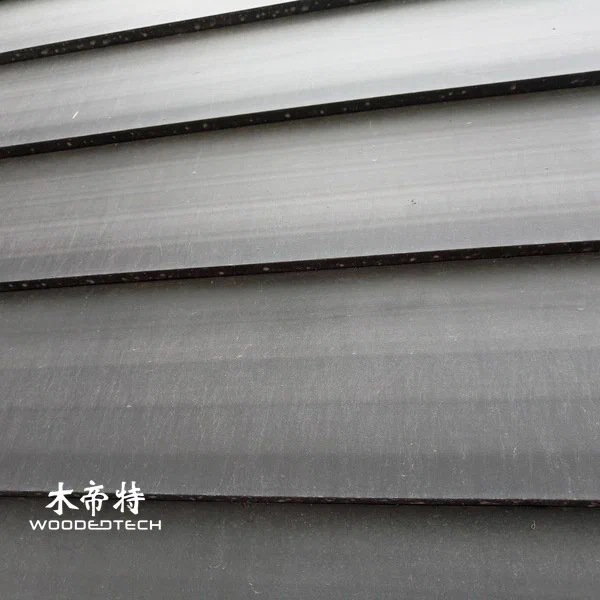
Wood plastic composites (WPCs) have become a popular choice for outdoor applications, particularly for products like exterior doors, thanks to their durability and weather resistance. The quality of WPC products heavily relies on the raw materials used in their production. This article will explore how wood powder, HDPE/PVC polymers, additives, pigments, and modifiers influence the performance of outdoor WPC products, along with practical factory inspection methods and quality standards.
Key Raw Materials in WPC Production
Wood Powder
Wood powder serves as the primary filler in WPCs, contributing to both aesthetic and structural qualities. The particle size and type of wood powder can significantly affect the composite’s mechanical properties. Fine wood powder can enhance flexibility, while coarser particles improve strength. Additionally, using high-quality wood powder reduces the likelihood of defects like warping and cracking, which are critical for maintaining structural integrity in outdoor settings.
HDPE/PVC Polymers
The choice of polymer—whether HDPE or PVC—plays a crucial role in the WPC’s durability and weather resistance. HDPE is known for its excellent impact resistance and low moisture absorption, making it suitable for outdoor applications. Conversely, PVC offers superior UV resistance, which is vital for products exposed to sunlight. The right polymer selection can enhance the lifespan of WPC products, especially in harsh weather conditions.
Additives
Additives such as stabilizers, lubricants, and fire retardants improve the performance of WPCs. For instance, UV stabilizers protect against sunlight degradation, while lubricants facilitate smooth processing during manufacturing. Incorporating fire retardants into WPC formulations can provide additional safety for outdoor applications, making these composites more resilient against fire hazards.
Pigments
Pigments are essential for achieving the desired aesthetic appeal in WPC products. They not only provide color but can also enhance UV resistance. The quality of pigments used affects the color fastness and overall appearance of the final product, ensuring that the exterior doors remain visually appealing over time.
Modifiers
Modifiers, such as impact modifiers and coupling agents, enhance the mechanical properties of WPCs. Impact modifiers increase toughness, making the doors less prone to damage from impact or stress. Coupling agents improve the adhesion between wood powder and polymers, resulting in a more homogeneous material that can withstand varying environmental conditions.

Practical Factory Inspection Methods
To ensure the quality of raw materials and final WPC products, several factory inspection methods can be implemented:
- Visual Inspection: Regular visual checks for defects in raw materials, such as wood powder consistency and polymer clarity, help identify potential issues early in the production process.
- Mechanical Testing: Conducting tensile, flexural, and impact tests on WPC samples can provide insights into the material’s performance characteristics.
- Moisture Content Testing: Monitoring the moisture content of wood powder is essential, as excessive moisture can lead to degradation and reduced mechanical properties.
- Color Consistency Checks: Using spectrophotometers to measure color consistency ensures that the pigments used maintain their quality and appearance across different production batches.
Quality Standards in WPC Production
Adhering to established quality standards is vital for maintaining the integrity of WPC products. International standards such as ASTM D7031 and EN 15534 outline performance requirements for WPCs, including durability and weather resistance. Compliance with these standards ensures that the products are suitable for outdoor use and can withstand environmental factors like moisture, temperature fluctuations, and UV exposure.
Investing in high-quality raw materials and implementing rigorous inspection methods not only enhances the durability of outdoor WPC products but also improves overall performance. By focusing on these elements, manufacturers can deliver superior exterior doors that meet the demands of modern consumers, ensuring long-lasting satisfaction and functionality in outdoor environments.
Related Articles
 Optimizing Composite Decking Layout: Best Practices for Industrial Applications in 2023
 WPC Exterior Cladding for Durable Modern Building Facades Outdoor Walls and Architectural Applications
 WPC Exterior Panels for Attractive Outdoor Walls Building Facades and Exterior Cladding Applications
 Plastic Wood Deck Floor Offers Low Maintenance And Natural Looking Outdoor Flooring Performance
Related Products
 GD13823-3 Composite Boards for Decking Are Available in Multiple Stock Colors with 3 Meter Lengths and Single Piece Delivery
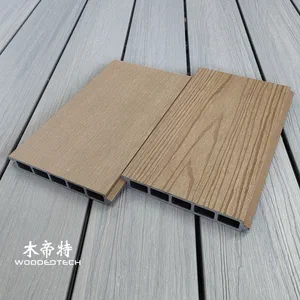 3DGL18024 WPC Longboard Fence Features Premium Co Extruded 3D Embossed Teak Wood Grain Texture with Realistic Natural Wood Fibers
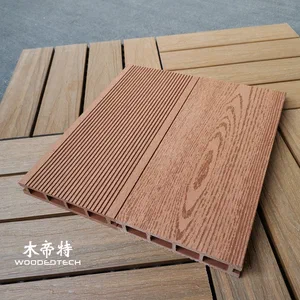 The Classic D14025-4 Red Wood WPC Wood Sheet Features a Timeless 2D Flat Wood Grain Design That Remains Popular After Twenty Years