
Innovative Solutions for Composite Decking with Hidden Fasteners in 2023
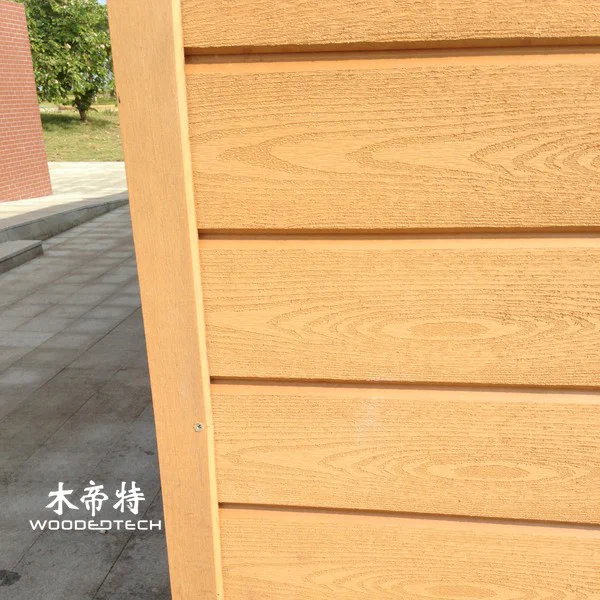
Designing high-performance outdoor wood plastic composite (WPC) formulas for products like decking, wall cladding, fencing, pergolas, and landscape features involves a careful balance of materials and additives. The goal is to achieve durability, aesthetic appeal, and cost-effectiveness while maximizing the product lifespan.
The key components in WPC formulations are wood fiber and plastic. Typically, a higher wood fiber content enhances natural aesthetics and provides structural integrity, but it can also increase susceptibility to moisture and biological degradation. Conversely, a greater plastic ratio improves resistance to environmental factors such as moisture and UV light, thus enhancing durability and lifespan. The ideal ratio often depends on the specific application and desired performance characteristics.
Wood Fiber Content vs. Plastic Ratio
When determining the right balance between wood fiber and plastic, consider the following:
- Wood Fiber Content: Varies typically from 30% to 70% in WPCs. Higher percentages yield a more wood-like appearance but can lead to issues like swelling or warping if not properly treated.
- Plastic Ratio: A higher plastic content (up to 70%) can significantly improve water resistance and reduce maintenance needs.
Finding the sweet spot often requires extensive testing to evaluate performance against environmental stresses.
Additives for Enhanced Performance
Additives play a crucial role in optimizing WPC formulations. Common additives include:
- UV Stabilizers: Protect against fading and degradation from sunlight.
- Antimicrobial Agents: Help prevent mold and mildew growth, especially important for outdoor applications.
- Colorants: Provide aesthetic options and enhance surface appeal.
The choice of additives depends on the end use and expected environmental conditions. For instance, decking products may require more robust UV protection compared to wall cladding.
Cost Control
Balancing performance and cost is essential in product development. While high-quality materials and additives can improve performance, they also increase production costs. Consider these strategies to control costs:
- Material Sourcing: Use locally sourced materials to reduce transportation costs and support sustainability.
- Batch Production: Optimize production runs to minimize waste and achieve economies of scale.
- Performance Prototyping: Develop prototypes to assess performance before large-scale production, reducing the risk of costly failures.
Understanding the cost implications of each formulation component allows for smarter decision-making that aligns with budget constraints without sacrificing quality.
Product Lifespan Considerations

To enhance product lifespan, manufacturers should focus on moisture resistance, UV stability, and mechanical strength. Incorporating a co-extrusion process can provide a protective outer layer that shields the inner WPC core from environmental damage. This technique effectively combines the benefits of both wood and plastic, offering a durable and visually appealing product.
Regular testing and quality control during production ensure that the final product meets industry standards for durability and safety. Implementing feedback from end-users can also drive continuous improvement in formulations.
Related Articles
 Exploring New Composite Decking Materials: Innovations for the 2023 Construction Industry
 The Advantages of Composite Decking Timber Frame Solutions for Industrial Applications
 Essential Guide to Wood Composites: Key Considerations for Industrial Applications in 2023
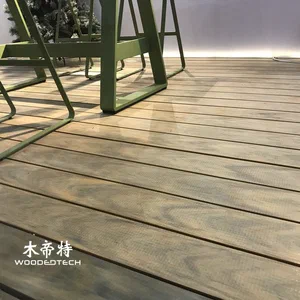 Exploring Custom Composite Solutions: Enhancing Industrial Applications in 2023
Related Products
 GD13820 M Shape Co Extruded Composite Deck Planks Feature a Special Profile Design for Distinctive Outdoor Decking Applications
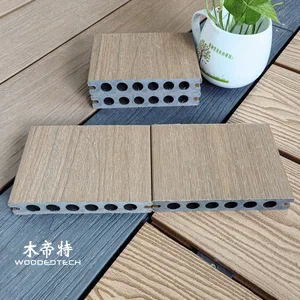 GD13823 Double Sided Flat Surface Co Extruded WPC Decking Features a Popular Width and Thickness with Round Hollow Structure
 GD13823-3 Composite Boards for Decking Are Available in Multiple Stock Colors with 3 Meter Lengths and Single Piece Delivery