
Innovative Solutions for 2023: Composite Deck Fence Panels for Industrial Applications
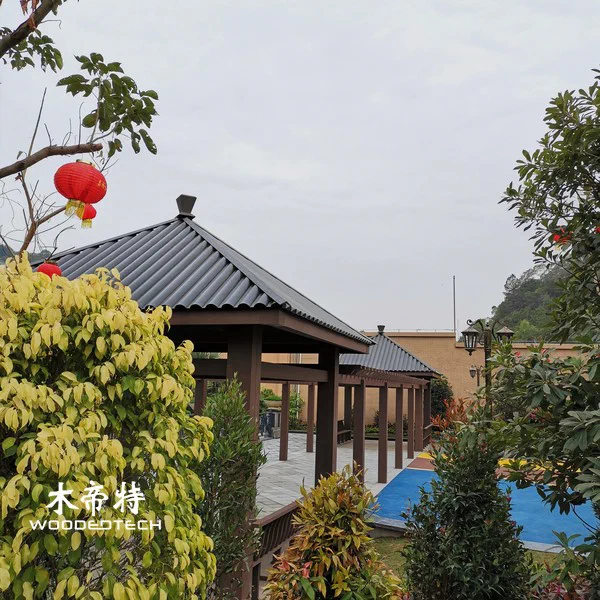
Designing high-performance outdoor wood plastic composites (WPC) for applications such as decking, wall cladding, fencing, pergolas, and landscape products requires a careful balance of various components. The formulation must optimize wood fiber content, plastic ratio, additives, cost control, and product lifespan to meet the demands of industrial applications.
Wood Fiber Content and Plastic Ratio
The foundation of any WPC formula lies in the balance between wood fibers and plastics. Wood fibers provide natural aesthetics and structural strength, while plastics enhance durability and weather resistance. Typically, a wood fiber content of 50-70% is ideal for achieving a balance of strength and flexibility, whereas the plastic content should be adjusted to ensure sufficient bonding and prevent moisture absorption.
Choosing the right type of plastic is equally crucial. Options like polyethylene (PE) or polypropylene (PP) are common due to their resistance to moisture and UV degradation. Furthermore, the selection of recycled plastics can help reduce costs and enhance the sustainability profile of the product, appealing to environmentally conscious consumers.
Additives to Enhance Performance
Incorporating additives into the formulation can significantly improve the performance characteristics of WPC products. Common additives include:
- UV Stabilizers: Protect against fading and degradation from sunlight.
- Anti-fungal Agents: Prevent mold and mildew growth, extending the product’s lifespan.
- Colorants: Offer aesthetic versatility and can be tailored to suit various design preferences.
- Processing Aids: Improve the flow and processing of the composite during manufacturing.
Formulating these additives in the right proportions is essential. Overuse can lead to increased costs without proportional benefits, while underuse may compromise product quality.
Cost Control Strategies
Controlling costs while maintaining high performance in WPC formulations is vital for commercial success. One effective strategy is to source raw materials locally to reduce transportation costs. Additionally, utilizing a blend of virgin and recycled materials can help manage expenses without sacrificing quality.
Another approach is to conduct thorough market research to identify consumer preferences and price points. This insight can guide formulation decisions, ensuring that products not only meet performance standards but are also competitively priced.
Ensuring Longevity and Durability

A key consideration in WPC formulation is ensuring longevity and durability. High-performance WPC should withstand environmental stressors, including moisture, temperature fluctuations, and physical wear. By optimizing the resin-to-fiber ratio and incorporating quality additives, manufacturers can enhance the mechanical properties of the composite.
Additionally, conducting accelerated aging tests can provide valuable insights into the expected lifespan of the product. These tests simulate years of exposure to harsh conditions, allowing manufacturers to make necessary adjustments in formulation before market release.
Applications in Industrial Settings
For industrial applications, WPC products such as composite deck fence panels must not only meet aesthetic demands but also functional requirements. They should be easy to install, low maintenance, and resistant to extreme weather conditions. This makes them ideal for applications in commercial settings like parks, outdoor venues, and public spaces.
Moreover, the design flexibility of WPC allows for various finishes, textures, and colors, making them suitable for modern architectural styles. This adaptability, paired with their environmental benefits, positions WPC products as an attractive option for diverse applications.
Developing high-performance outdoor WPC formulas is a multifaceted process that requires a deep understanding of materials, market needs, and environmental impacts. By striking the right balance between wood fiber content, plastic ratios, additives, and cost control, manufacturers can create innovative solutions that cater to the growing demand in industrial applications.
Related Articles
Related Products
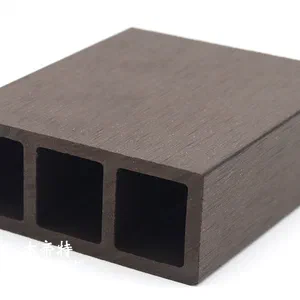
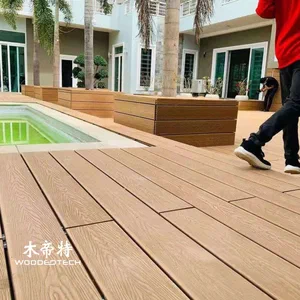
 GD13823-3 Composite Boards for Decking Are Available in Multiple Stock Colors with 3 Meter Lengths and Single Piece Delivery
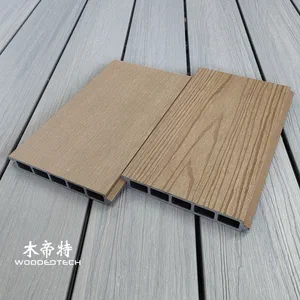 3DGL18024 WPC Longboard Fence Features Premium Co Extruded 3D Embossed Teak Wood Grain Texture with Realistic Natural Wood Fibers
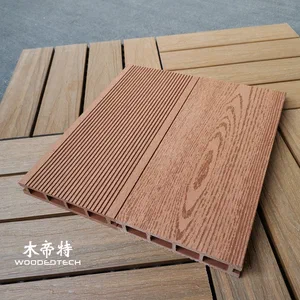 The Classic D14025-4 Red Wood WPC Wood Sheet Features a Timeless 2D Flat Wood Grain Design That Remains Popular After Twenty Years