
Innovative Solutions: Enhancing Durability with Wood Plastic Wall Boards in 2023
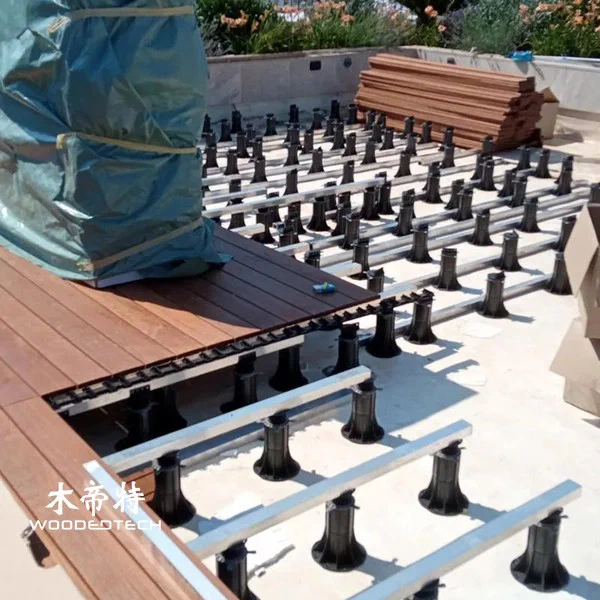
The durability and performance of wood plastic composite (WPC) wall boards rely heavily on the quality and composition of their raw materials. Key components include wood powder, HDPE or PVC polymers, additives, pigments, and modifiers. Each element plays a crucial role in enhancing the weather resistance and overall functionality of outdoor WPC products, particularly in challenging environments.
Raw Material Composition
Wood powder serves as the primary filler in WPC, contributing to its natural aesthetic and physical properties. The quality of the wood powder affects not only the visual appeal but also the structural integrity of the final product. Fine, uniformly sized wood powder ensures even distribution within the polymer matrix, reducing the risk of weaknesses or voids that could compromise durability.
Polymers, specifically HDPE or PVC, form the backbone of WPC. High-density polyethylene (HDPE) is favored for its superior resistance to moisture, chemicals, and UV degradation. Conversely, PVC offers excellent rigidity and can be engineered for specific applications. The choice between these two polymers can significantly influence the longevity and maintenance requirements of the WPC products.
Additives and Modifiers
Additives such as coupling agents and stabilizers enhance the adhesion between wood powder and polymers, improving the overall mechanical properties of the composite. UV stabilizers and anti-oxidants are essential to prolong the lifespan of WPC by preventing color fading and material degradation caused by sun exposure and environmental factors.

Modifiers, including fire retardants and anti-fungal agents, are critical for outdoor applications. Fire retardants help meet safety standards, while anti-fungal agents prevent mold and mildew growth, thus maintaining the aesthetic and functional integrity of WPC wall boards over time.
Pigments and Aesthetic Considerations
Pigments not only provide color but also contribute to the protection against UV rays. The right pigment formulation can enhance the weatherability and visual appeal of outdoor WPC products. Quality pigments resist fading and ensure that the color remains vibrant despite prolonged exposure to sunlight and harsh weather conditions.
Quality Control and Inspection Methods
In a professional WPC factory, stringent quality control measures are essential. Raw materials undergo comprehensive testing before production begins. Practical inspection methods include:
- Visual Inspection: Assessing the uniformity and quality of wood powder and polymer pellets.
- Moisture Content Testing: Ensuring wood powder has an optimal moisture level to minimize expansion or contraction during processing.
- Mechanical Testing: Evaluating tensile strength, impact resistance, and flexural strength of the composite materials.
- Weather Resistance Testing: Subjecting samples to accelerated weathering tests to simulate long-term exposure to UV light and moisture.
Adhering to quality standards such as ASTM D7031 for WPC and ISO 9001 ensures that the final products meet performance and safety regulations.
Conclusion
The interplay of wood powder, polymers, additives, pigments, and modifiers is vital in determining the durability and performance of outdoor WPC wall boards. By implementing thorough quality control inspections and adhering to industry standards, manufacturers can ensure the production of high-quality, durable WPC products that perform well in outdoor environments. This commitment to quality not only enhances the longevity of the products but also meets the expectations of consumers seeking sustainable and reliable building materials.
Related Articles
 WPC Cladding Outdoor Systems Create Modern Exterior Walls with Weather Resistant Performance
 Innovative Applications of Wood Plastic Outdoor Wall Panels in 2023: A B2B Guide
 Essential Buying Criteria for Decking Composite Boards: A 2023 Guide for Businesses
 Essential Considerations for Choosing Composite Deck Railing Posts in 2023
Related Products
 GD13823-3 Composite Boards for Decking Are Available in Multiple Stock Colors with 3 Meter Lengths and Single Piece Delivery
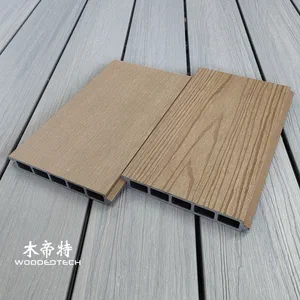 3DGL18024 WPC Longboard Fence Features Premium Co Extruded 3D Embossed Teak Wood Grain Texture with Realistic Natural Wood Fibers
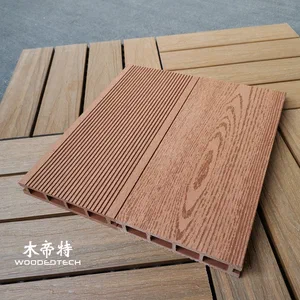 The Classic D14025-4 Red Wood WPC Wood Sheet Features a Timeless 2D Flat Wood Grain Design That Remains Popular After Twenty Years