
Innovative Solutions: Composite Decking for Boat Floors Enhancing Marine Performance
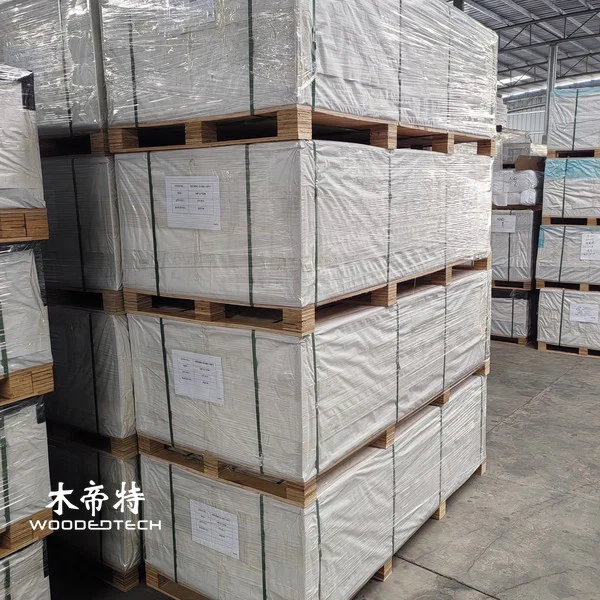
Designing high-performance outdoor wood plastic composite (WPC) formulations for applications like decking, wall cladding, fencing, and landscape products requires a careful balance of multiple factors. This includes the right ratio of wood fiber to plastic, the selection of additives, cost management, and considerations for longevity and durability. Achieving the optimal blend ensures products that not only perform well but also meet market demands for quality and sustainability.
Wood Fiber and Plastic Ratio
The core of any WPC formulation lies in the ratio of wood fiber to plastic. Typically, formulations range from 30% to 70% wood fiber. Higher wood content can enhance the aesthetic appeal, providing a natural look and feel. However, excessive wood can lead to weaker mechanical properties and increased susceptibility to moisture absorption.
A balanced approach is essential. For example, a 50/50 ratio often yields a good compromise, enhancing strength while allowing for better processing and resistance to environmental factors. Additionally, choosing the right type of wood fiber—such as hardwoods or softwoods—can significantly impact the final product’s performance.
Additives for Performance Enhancement
Incorporating additives can dramatically improve the characteristics of WPC products. Common additives include:
- UV stabilizers to prevent degradation from sunlight.
- Antioxidants to enhance thermal stability.
- Fire retardants to improve safety.
- Colorants and finishes for aesthetic appeal.
These additives not only enhance the performance of WPCs but can also extend product lifespan, making them more suitable for demanding outdoor environments.
Cost Control Strategies
While high-performance composites are desirable, cost control is crucial for market competitiveness. The choice of raw materials can significantly affect pricing. Utilizing post-consumer recycled plastics and wood fibers can reduce costs while promoting sustainability. Bulk purchasing of materials and optimizing the production process can also yield cost savings.
Moreover, it’s essential to balance the formulation—too many expensive additives can drive up costs without providing proportional benefits. A thorough market analysis can guide the formulation process, identifying the most valued attributes by consumers and aligning product features accordingly.

Product Lifespan and Durability
For outdoor applications, product lifespan is paramount. WPC materials must withstand various environmental conditions, including moisture, temperature fluctuations, and UV exposure. The formulation should include moisture resistance strategies, such as a fully capped design that protects the core material from water ingress.
Additionally, the mechanical properties, such as tensile and flexural strength, should be tested to ensure the product can endure physical stresses. A comprehensive understanding of the end-use environment will help in designing a WPC that remains functional and aesthetically pleasing over time.
Conclusion
Designing high-performance WPC formulations for outdoor products is a multifaceted process that requires attention to detail and a strategic approach. By balancing wood fiber content with plastic ratios, selecting appropriate additives, managing costs effectively, and ensuring durability, manufacturers can create innovative solutions that cater to evolving market demands. The result is a product that not only meets consumer expectations but also stands the test of time in outdoor environments.
Related Articles
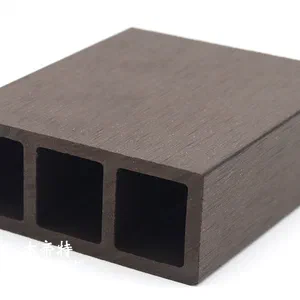
Related Products
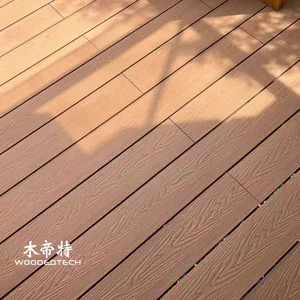
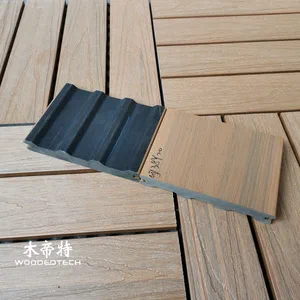 GD13820 M Shape Co Extruded Composite Deck Planks Feature a Special Profile Design for Distinctive Outdoor Decking Applications
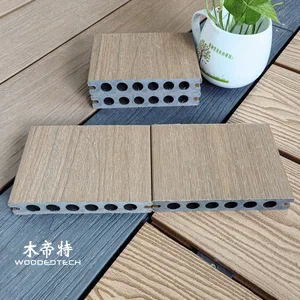 GD13823 Double Sided Flat Surface Co Extruded WPC Decking Features a Popular Width and Thickness with Round Hollow Structure
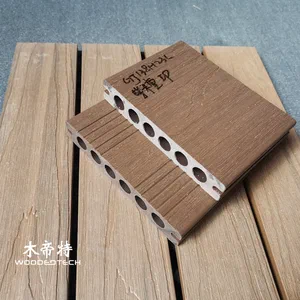 GD13823-3 Composite Boards for Decking Are Available in Multiple Stock Colors with 3 Meter Lengths and Single Piece Delivery