
Innovative Fence Panels: Composite Wood Plastic Solutions for Modern Industries in 2023
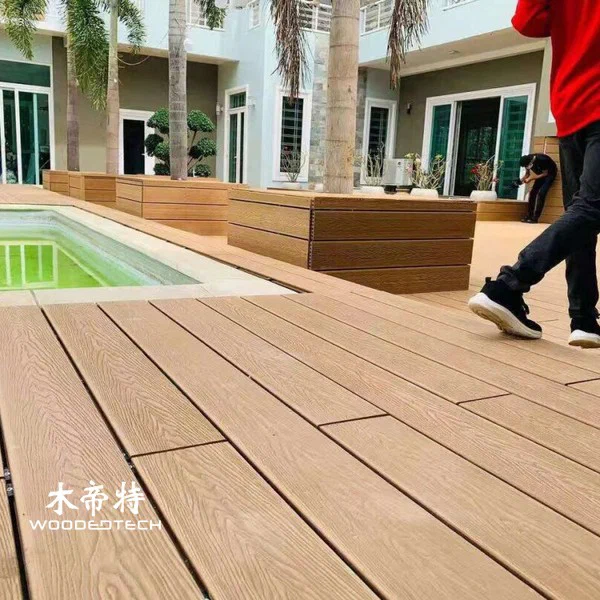
Designing high-performance outdoor wood plastic composites (WPC) for products like decking, wall cladding, fencing, pergolas, and landscape features involves a careful balance of various factors. The goal is to achieve durability, aesthetic appeal, and cost-effectiveness while ensuring a long lifespan.
Balancing Wood Fiber and Plastic Ratio
The primary components of WPC are wood fibers and plastic (typically polyethylene or polypropylene). The ratio of these materials significantly influences the composite’s mechanical properties and durability.
- Higher wood fiber content generally enhances the material’s strength and provides a natural look, but it can also increase susceptibility to moisture and degradation.
- Conversely, a higher plastic ratio improves resistance to water and UV exposure, contributing to a longer lifespan and lower maintenance. However, it might sacrifice some structural integrity and the desired aesthetic.
Typically, a balanced composition of around 60% wood fiber and 40% plastic is a good starting point. This ratio can be adjusted based on specific performance requirements and the intended application.
Additives for Performance Enhancement
Additives play a crucial role in the formulation of WPCs. Depending on the desired properties, various additives can be incorporated:
- UV Stabilizers: To prevent discoloration and degradation from sunlight exposure.
- Anti-fungal Agents: To protect against mold, mildew, and decay, especially in humid environments.
- Colorants: For achieving the desired aesthetic appeal while ensuring consistency.
- Processing Aids: Such as lubricants that facilitate easier manufacturing and improve the flow of materials during extrusion.
The selection of additives must align with environmental considerations and regulatory standards, especially for outdoor applications.
Cost Control Strategies
Cost management is critical in the development of WPC formulations. Here are some strategies to keep costs in check while maintaining quality:
- Material Sourcing: Utilize recycled wood fibers and plastics, which can be less expensive and also appeal to environmentally conscious consumers.
- Optimizing Production Processes: Streamlining manufacturing processes can significantly reduce waste and energy consumption, leading to lower overall costs.
- Batch Size Optimization: Producing larger batches can reduce per-unit costs, but it is essential to ensure consistent quality across the entire batch.
Understanding the market demand and pricing elasticity can guide the pricing strategy and help maintain profitability.
Ensuring Product Lifespan

Finally, longevity is a vital consideration in WPC design, especially for outdoor applications exposed to varying weather conditions. To enhance product lifespan:
- Moisture Resistance: Aim for formulations that minimize water absorption through the right balance of materials and additives.
- Thermal Stability: Ensure the material can withstand temperature fluctuations without warping or cracking.
- Regular Testing: Conduct thorough testing for different environmental conditions to assess performance over time and adjust formulations as necessary.
By focusing on these key aspects, manufacturers can create high-performance WPC products that meet the needs of modern industries while providing durability and aesthetic appeal for outdoor applications.
Related Articles
 Innovative Solutions for 2023: Composite Deck Fence Panels for Industrial Applications
 WPC Fence Panels for Sale: A B2B Guide to Quality, Pricing, and Supply
 WPC Garden Fence Panels: A Durable Solution for Commercial Landscaping Projects
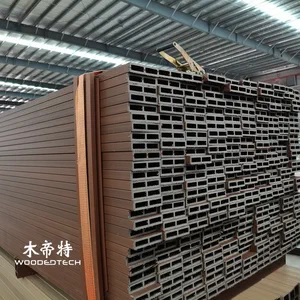 WPC Wall Panel Fence: Industrial Applications, Benefits, and Selection Criteria
Related Products
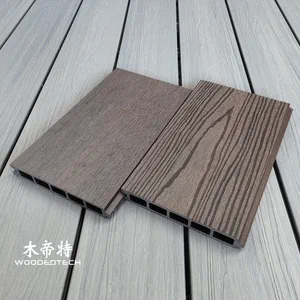 3DGL18024 Composite Fence Panels Feature Premium Co Extruded 3D Embossed Rosewood Grain Texture with Realistic Natural Wood Fibers
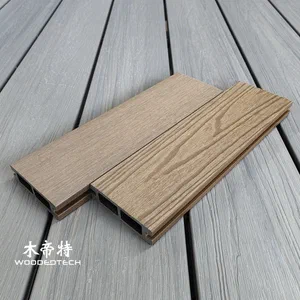 3DGL9024 Composite Fence Features Premium Co Extruded 3D Embossed Teak Wood Grain Texture with Realistic Natural Wood Fibers
 wood polymer composite fence becomes more stable and durable with aluminum post support systems