
Innovative Composite for Decks: Enhancing Durability and Aesthetics in 2023
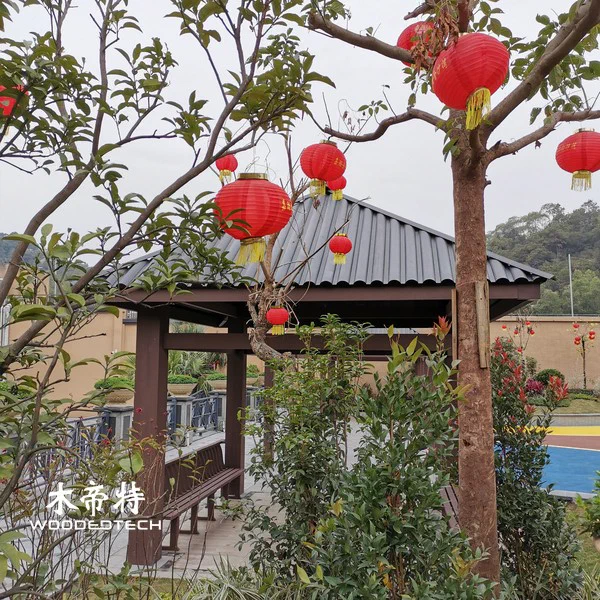
Designing high-performance outdoor wood plastic composite (WPC) formulas requires a careful balance of components to achieve durability, aesthetics, and cost-effectiveness. This process is particularly relevant for products such as decking, wall cladding, fencing, pergolas, and landscape items. By optimizing the wood fiber content, plastic ratio, and additives, manufacturers can create composite materials that excel in demanding outdoor conditions.
Wood Fiber Content and Plastic Ratio
One of the primary considerations in WPC formulation is the balance between wood fiber and plastic content. Typically, a higher percentage of wood fiber enhances the natural appearance and texture of the composite while improving its rigidity. However, excessive wood content can lead to moisture absorption, resulting in warping and degradation over time. A commonly used ratio is 50% wood fiber to 50% plastic; however, adjusting this ratio, such as 60% wood fiber to 40% plastic, can also be beneficial depending on specific product requirements.

The type of wood fiber used is equally important. Recycled wood fibers not only provide a sustainable option but can also enhance the composite’s overall performance by improving its structural integrity. On the other hand, synthetic fibers can be used to boost resistance to moisture and pests.
Additives for Enhanced Performance
To improve the performance of WPC products, various additives can be incorporated into the formulation. These include:
- UV stabilizers: Protect against discoloration and degradation caused by sunlight exposure.
- Anti-fungal agents: Prevent mold and mildew growth, extending the lifespan of the product.
- Colorants: Provide aesthetic appeal and can be tailored to various design preferences.
- Processing aids: Improve the flow characteristics during extrusion, ensuring a consistent product.
The careful selection and integration of these additives can significantly enhance the durability and visual appeal of the final composite product.
Cost Control Strategies
While performance is vital, cost control cannot be overlooked. Balancing material costs with desired product attributes is crucial for market competitiveness. Using locally sourced materials can reduce transportation costs and carbon footprint. Additionally, optimizing the manufacturing process—such as adjusting extrusion temperatures and speeds—can minimize waste and energy use, further lowering costs.
It’s also beneficial to analyze the market demand and adjust the product specifications accordingly. For instance, while high-end products may require more expensive additives, budget-friendly options might focus on essential properties while reducing the overall material costs.
Product Lifespan Considerations
The longevity of outdoor WPC products is a critical factor for both manufacturers and consumers. A well-designed composite should withstand the elements, including moisture, UV exposure, and temperature fluctuations. Research shows that formulations incorporating co-extrusion techniques significantly enhance the lifespan by creating a protective outer layer that shields the inner materials from environmental stressors.
Moreover, the addition of recycled materials not only contributes to sustainability but can also improve the overall durability of the composite, appealing to environmentally conscious consumers. Regular testing and monitoring of product performance in real-world conditions are essential to ensure that the composite meets lifespan expectations.
By focusing on these key areas—wood fiber content, plastic ratio, additive selection, cost control, and product longevity—manufacturers can create innovative WPC solutions that meet the diverse needs of outdoor applications. The resulting composites not only enhance the aesthetics of outdoor spaces but also ensure long-lasting performance and sustainability in 2023 and beyond.
Related Articles
Related Products
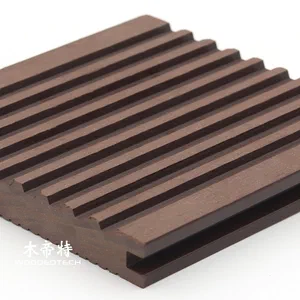
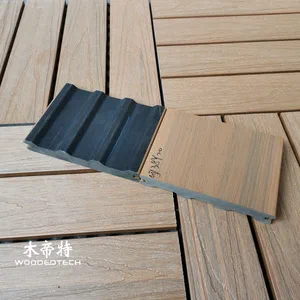 GD13820 M Shape Co Extruded Composite Deck Planks Feature a Special Profile Design for Distinctive Outdoor Decking Applications
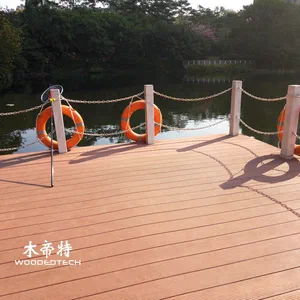
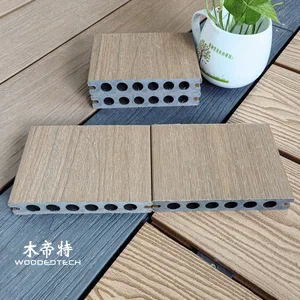 GD13823 Double Sided Flat Surface Co Extruded WPC Decking Features a Popular Width and Thickness with Round Hollow Structure
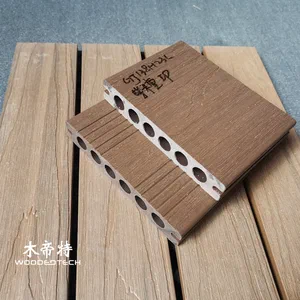 GD13823-3 Composite Boards for Decking Are Available in Multiple Stock Colors with 3 Meter Lengths and Single Piece Delivery