
Innovative Composite Deck Patio Ideas for Modern Industrial Spaces in 2023
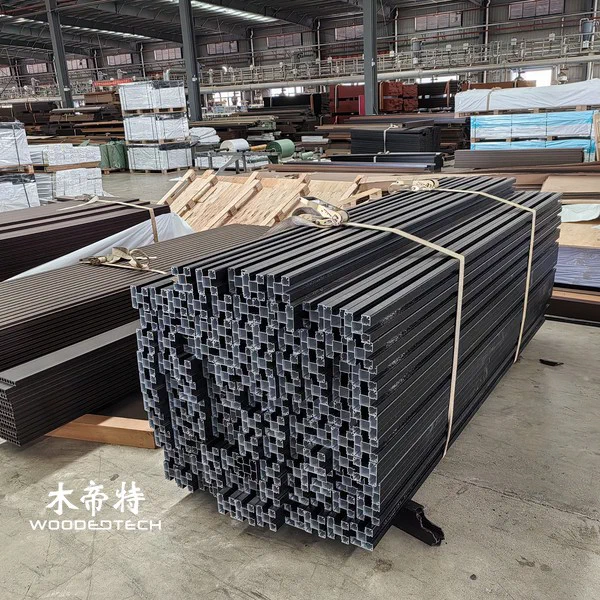
Modern industrial spaces are increasingly incorporating innovative composite materials, particularly in outdoor settings. Composite decking, wall panels, fences, pergolas, and gazebos are becoming essential components in creating stylish and functional outdoor environments. These products enhance aesthetics and durability, making them ideal for contemporary designs.
Color Trends
Color plays a pivotal role in modern outdoor design. Composite materials now offer a wide spectrum of hues that mimic natural wood, stone, and even bold industrial shades. Earthy tones remain popular, but there’s a rising trend towards darker colors, like slate gray and deep brown, which add sophistication to outdoor spaces. Bright accents can also be introduced through accessories and furnishings, creating a vibrant contrast against the natural palette of the surroundings.
Textures and Finishes
Texture is another key aspect that influences the design of composite outdoor products. Advances in manufacturing have led to the development of 3D embossed surfaces that replicate the look and feel of real wood. This not only enhances visual appeal but also provides a slip-resistant surface, making it safer for outdoor use. Textured finishes can transform a simple deck into a stylish focal point, while also complementing the overall design of the space.

Modular Designs
The modular approach to designing outdoor spaces allows for versatility and customization. Modular composite decking and fencing systems can be easily adapted to fit various layouts and designs. This flexibility enables homeowners and designers to create unique configurations that suit their specific needs. Modular designs simplify installation and maintenance, making them a practical choice for busy lifestyles.
Profiles and Shapes
Innovative profiles and shapes in composite materials contribute to the modern aesthetic. Curved edges and unique profiles can add a touch of elegance to structures like pergolas and gazebos. These design elements help to soften the harsh lines often found in industrial spaces, blending functionality with style. Additionally, custom profiles allow for greater creativity in outdoor design, enabling the creation of personalized outdoor spaces.
Integration with Landscaping
Integrating composite materials with landscaping elements enhances the overall outdoor experience. For instance, composite planters can be seamlessly incorporated into decks and patios, providing greenery without sacrificing space. Composite wall panels can serve as backdrops for gardens or outdoor living areas, adding depth and dimension. This integration creates a harmonious transition between natural and built environments.
Durability and Maintenance
One of the most significant advantages of composite materials is their durability. Unlike traditional wood, composite decking and structures are resistant to weathering, insects, and rot. This longevity means less maintenance and replacement costs, making them a wise investment for any outdoor project. Additionally, many composite products require only simple cleaning, allowing homeowners to spend more time enjoying their outdoor spaces rather than maintaining them.
Sustainable Choices
Sustainability is increasingly influencing design trends, with many consumers seeking eco-friendly materials. Modern composite products are often made from recycled materials, offering a responsible choice for environmentally conscious consumers. By opting for sustainable options, designers and homeowners can contribute to a greener future while still achieving the stylish look they desire.
Incorporating these modern design trends into outdoor spaces not only enhances their beauty but also ensures they are functional and durable. Composite materials have proven to be the perfect solution for creating stylish, long-lasting, and eco-friendly outdoor environments.
Related Articles
 Innovative Deck Ideas with Composite Decking: Transforming Outdoor Spaces in 2023
 Enhancing Outdoor Spaces: Building a Composite Deck with Privacy Wall Solutions
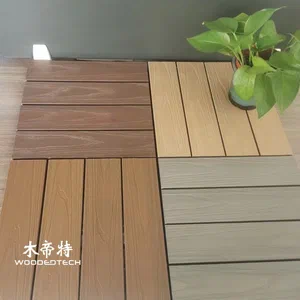 Optimizing Outdoor Spaces: The Benefits of Composite Planks for Decks in 2023
 Outdoor Flooring WPC Decking Provides Comfortable and Stylish Solutions for Gardens and Patios
Related Products
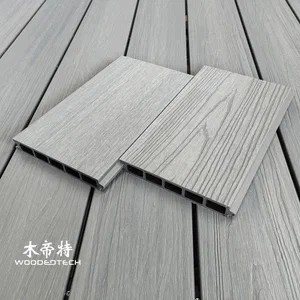 3DGL18024 Composite Decking Fence Features Premium Co Extruded 3D Embossed Antique Wood Grain Texture with Realistic Natural Wood Fibers
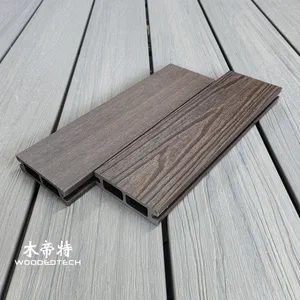 3DGL9024 Composite Decks and Railings Feature Premium Co Extruded 3D Embossed Rosewood Grain Texture with Realistic Natural Wood Fibers
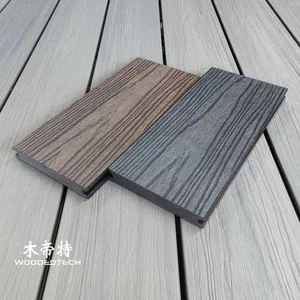 The 3DGD14023S Wood WPC Decking Combines Dual-Tone Rosewood and Dark Grey Colors with a Solid Core and Realistic 3D Embossed Wood Grain