
Innovative Composite Deck Board Ideas for Industrial Applications in 2023
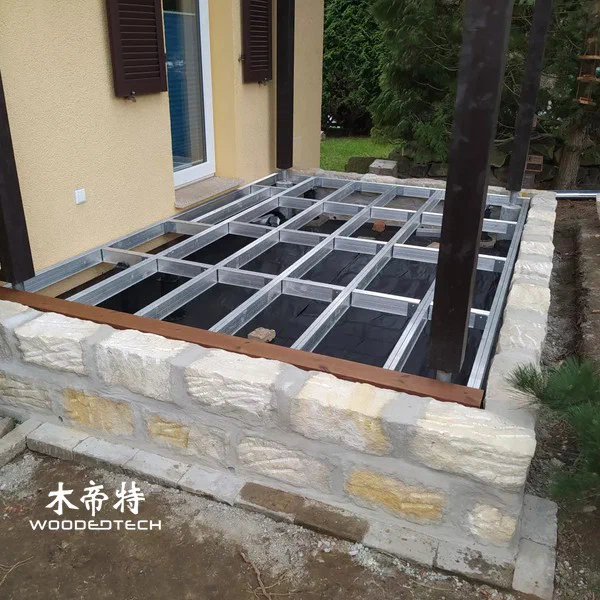
Modern design trends in composite decking, wall panels, fences, pergolas, gazebos, and landscape products focus on aesthetics, functionality, and sustainability. These trends highlight a shift towards innovative materials and designs that enhance outdoor living spaces while providing durability and low maintenance.
Color and Texture Innovation
One of the most notable trends in composite products is the variety of colors and textures available. Manufacturers are offering rich, natural hues that mimic the appearance of traditional wood, allowing for seamless integration into various architectural styles. Textured surfaces, such as embossed or grooved finishes, not only enhance the visual appeal but also improve grip, making them ideal for outdoor use.
- Warm earth tones
- Rich greys and blacks
- Distressed wood finishes

These color options can be paired with unique textures to create a multi-dimensional look that stands out. The combination of color and texture is critical in contemporary design, as it allows for personalization and creativity, ensuring that outdoor spaces reflect the owner’s style.
Modular Design Features
Another key trend is the rise of modular designs in composite products. Modular systems allow for easy installation and customization, making it simple to adapt spaces as needs change. This flexibility is particularly appealing in urban environments where space is often limited.
- Interlocking tiles for quick installation
- Pre-fabricated panels for walls and fencing
- Customizable pergola kits
Modular designs also promote sustainability, as they often require less material and generate less waste during installation. Additionally, they can be easily disassembled and reconfigured, supporting a more dynamic approach to outdoor living.
Profiles and Customization
The profiles of composite materials are evolving to meet diverse aesthetic and practical needs. Sleek, minimalist profiles lend a modern touch to traditional outdoor structures, while more robust designs add a sense of permanence and durability.
Custom profiles can be developed to suit specific applications, from decorative wall panels to fencing systems that enhance privacy without compromising style. This level of customization enables designers and homeowners to achieve a unique look that stands out in any landscape.
Environmental Considerations
Sustainability is at the forefront of modern composite product design. Many manufacturers are committed to using recycled materials and eco-friendly production methods, appealing to environmentally conscious consumers. The longevity and low maintenance requirements of composite products also contribute to their sustainability, reducing the need for frequent replacements and repairs.
- Recycled wood and plastic materials
- Low VOC emissions in manufacturing
- Products designed for longevity and minimal maintenance
By prioritizing environmental responsibility, the composite industry is not only addressing consumer demand but also contributing positively to the planet.
Outdoor Integration
The latest trends also emphasize the integration of composite products into the broader outdoor environment. This includes seamless transitions between indoor and outdoor spaces, as well as the use of composite materials in landscaping features such as planters, benches, and pathways.
Outdoor living areas are designed to be extensions of the home, incorporating features like outdoor kitchens, seating areas, and fire pits. Composite materials provide the versatility and durability needed for these applications, allowing for a cohesive design that enhances the overall outdoor experience.
Through innovative designs, vibrant colors, and sustainable practices, modern composite decking, wall panels, and related products are transforming outdoor spaces. These trends not only improve the aesthetic appeal of environments but also ensure that they are functional, adaptable, and environmentally friendly.
Related Articles
 Innovative Composite Decking Design Ideas for Commercial Projects in 2023
 Innovative Composite Decking for Outdoor Kitchen Solutions: Enhance Your Space in 2023
 Innovative Composite Decking Tiles: Transforming Outdoor Spaces in 2023
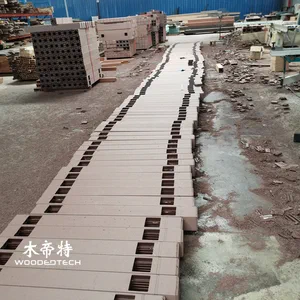 Enhancing Industrial Spaces: The Benefits of Plastic Wood Panels in 2023
Related Products
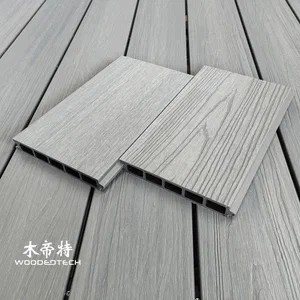 3DGL18024 Composite Decking Fence Features Premium Co Extruded 3D Embossed Antique Wood Grain Texture with Realistic Natural Wood Fibers
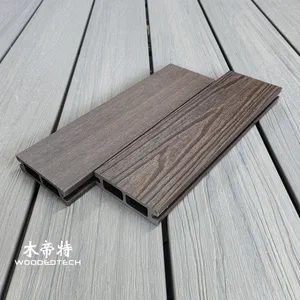 3DGL9024 Composite Decks and Railings Feature Premium Co Extruded 3D Embossed Rosewood Grain Texture with Realistic Natural Wood Fibers
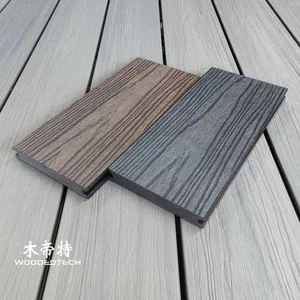 The 3DGD14023S Wood WPC Decking Combines Dual-Tone Rosewood and Dark Grey Colors with a Solid Core and Realistic 3D Embossed Wood Grain