
Innovative Applications of WPC Wood Flooring in Industrial Settings: 2023 Insights
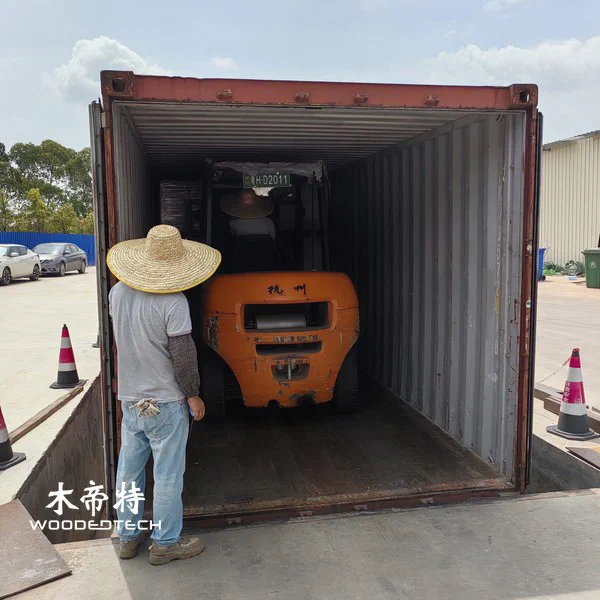
Architects and landscape designers increasingly turn to wood plastic composite (WPC) materials for their outdoor projects, thanks to their durability and low-maintenance characteristics. WPC products, such as decking and wall panels, combine the aesthetic appeal of wood with the resilience of plastic, making them ideal for various applications in outdoor environments.
Advantages of WPC Products
WPC materials offer numerous benefits that align with the needs of architects and landscape designers:
- Durability: WPC is resistant to moisture, insects, and decay, which means it can withstand the elements better than traditional wood.
- Low Maintenance: Unlike wood, WPC does not require regular staining or sealing, reducing upkeep costs and labor.
- Aesthetic Versatility: Available in a range of colors and textures, WPC can mimic the look of wood while providing a modern touch to outdoor spaces.
- Eco-Friendly: Many WPC products are made from recycled materials, appealing to environmentally conscious designers and clients.

Project Considerations
When using WPC materials in outdoor projects, several key factors should be considered:
- Location: The climate and environmental conditions of the site play a crucial role in material selection. For instance, areas with high humidity may require specific WPC formulations to enhance resistance against mold and mildew.
- Usage: Understanding how the space will be used is essential. For high-traffic areas, selecting thicker, more robust WPC products can ensure longevity and performance.
- Design Requirements: The aesthetic goals of the project should guide the choice of WPC. Architects can choose from various finishes, styles, and colors to complement the overall design.
Material Selection Advice
When selecting WPC products for outdoor applications, architects and landscape designers should keep the following tips in mind:
- Research Brands: Not all WPC products are created equal. Investigate reputable brands known for quality and durability. Look for warranties that reflect their confidence in the product.
- Test Samples: Before making a final decision, request samples to evaluate texture, color, and overall appearance in the intended environment.
- Consider Co-Extrusion: Co-extruded WPC products have an additional layer that enhances durability and resistance to fading and staining, making them a worthy investment for long-term use.
- Evaluate Installation Requirements: Some WPC products may require specific installation techniques or tools, so be sure to understand these logistical considerations before proceeding.
The integration of WPC materials into outdoor designs not only enhances the visual appeal but also contributes to the longevity and sustainability of the environment. By following these guidelines, architects and landscape designers can effectively utilize WPC products to create stunning, low-maintenance outdoor spaces that stand the test of time.
Related Articles
Related Products
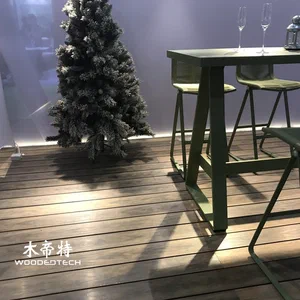
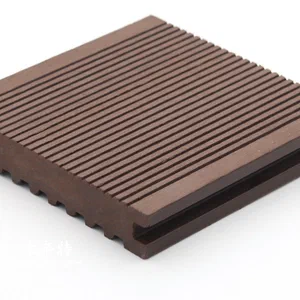
 GD13820 M Shape Co Extruded Composite Deck Planks Feature a Special Profile Design for Distinctive Outdoor Decking Applications
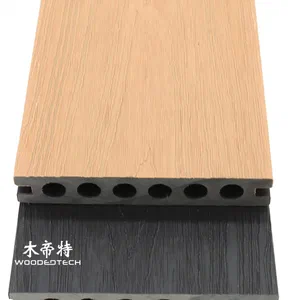
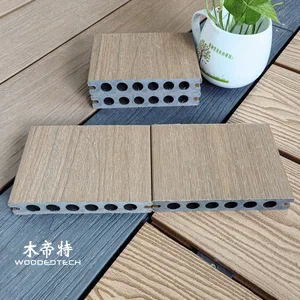 GD13823 Double Sided Flat Surface Co Extruded WPC Decking Features a Popular Width and Thickness with Round Hollow Structure
 GD13823-3 Composite Boards for Decking Are Available in Multiple Stock Colors with 3 Meter Lengths and Single Piece Delivery