
Innovative Applications of WPC Vlonderplanken in Modern Industrial Landscaping
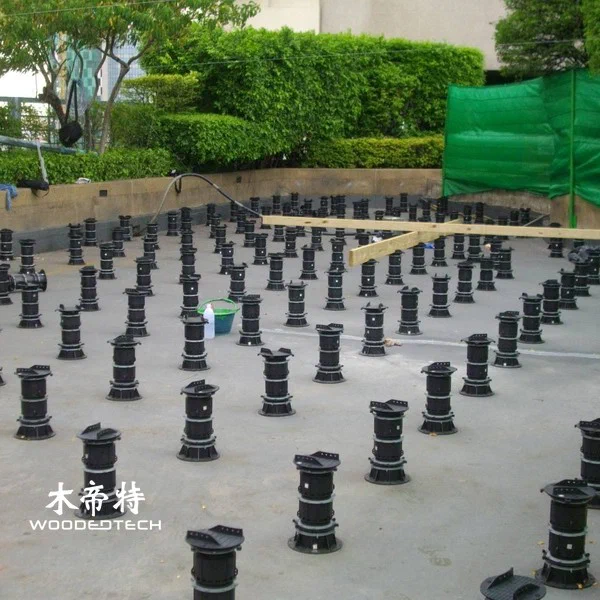
Architects and landscape designers increasingly turn to wood plastic composite (WPC) materials, such as Vlonderplanken, for creating durable and low-maintenance outdoor environments. These innovative products combine the aesthetic appeal of wood with the resilience of plastic, making them ideal for modern industrial landscaping projects. Their versatility and longevity help professionals design spaces that remain functional and visually appealing over time.
Benefits of WPC in Landscaping
WPC products offer a variety of benefits that align with contemporary design principles. One of the primary advantages is their durability. Unlike traditional wood, WPC materials resist warping, splintering, and insect damage, ensuring a longer lifespan. This resilience is particularly valuable in high-traffic areas or harsh climates where environmental stressors can deteriorate conventional materials.
Low maintenance is another key feature. WPC does not require frequent staining or sealing, reducing ongoing upkeep costs and labor. This aspect is especially beneficial for landscape designers aiming to create sustainable environments that require minimal intervention. Moreover, WPC is resistant to moisture, mold, and mildew, making it suitable for environments where exposure to water is common.
Project Considerations
When incorporating WPC materials into a landscaping project, several considerations come into play. First, designers should evaluate the specific environmental conditions of the site. Factors like sun exposure, rainfall, and temperature fluctuations can influence the selection of WPC products. For instance, products with UV protection are ideal for sunny regions, while those with anti-slip properties are crucial for wet areas.
Another important factor is the intended use of the space. High-traffic areas such as walkways, patios, and decks may benefit from thicker, more durable WPC boards, while decorative elements can utilize thinner options. Additionally, color and texture choices should reflect the overall design aesthetic and complement surrounding materials.

Material Selection Advice
Selecting the right WPC product involves understanding the variety of available options. Architects and landscape designers should consider the following aspects when making their choices:
- Capped vs. Uncapped: Capped WPC products have a protective shell that adds an extra layer of durability and resistance to fading, making them ideal for outdoor applications.
- 3D Embossing: Products with 3D embossed finishes can enhance the visual appeal by mimicking natural wood grain, offering a more authentic look without sacrificing performance.
- Sustainability: Opt for WPC materials made from recycled content, as these products contribute to eco-friendly designs while meeting quality standards.
- Color and Texture: Choose colors and textures that align with the project’s vision, considering how these will interact with the environment and other materials used.
Innovative Applications
The applications of WPC Vlonderplanken in industrial landscaping are diverse. They can be used for:
- Walkways and Decking: Offering a slip-resistant surface that enhances safety while maintaining an attractive appearance.
- Garden Edging: Providing a clean, finished look to garden beds while acting as a durable barrier against weeds.
- Fencing and Privacy Screens: Creating stylish and functional boundaries that require little maintenance compared to traditional wood.
- Planters and Outdoor Furniture: Designing cohesive outdoor spaces with planters and furniture that blend seamlessly with the surrounding landscape.
By strategically using WPC materials, architects and landscape designers can create stunning outdoor environments that are both practical and visually engaging. The unique properties of WPC ensure that these designs stand the test of time while meeting the demands of modern landscaping.
Related Articles
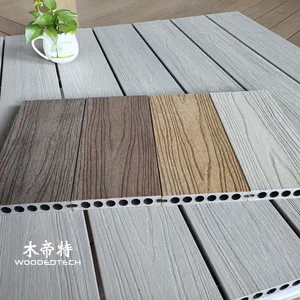 Maximizing Efficiency with Composite Decking Tongue and Groove Solutions in 2023
 Composite Deck Dimensions Help Buyers Choose Suitable Board Sizes for Different Outdoor Flooring Projects
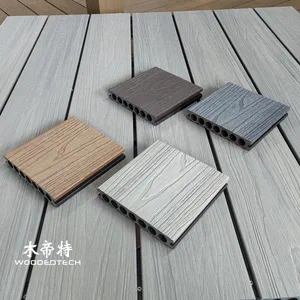 Exploring Composite Wall Panels Exterior: Benefits and Applications for 2023
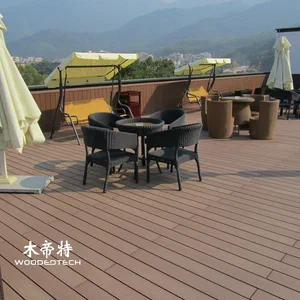 Innovative Applications of Composite Deck Boards for Modern Industrial Projects
Related Products
 GD13820 M Shape Co Extruded Composite Deck Planks Feature a Special Profile Design for Distinctive Outdoor Decking Applications
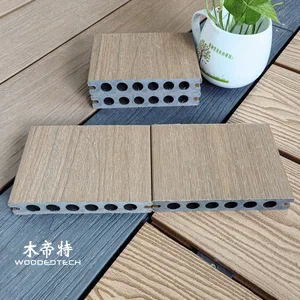 GD13823 Double Sided Flat Surface Co Extruded WPC Decking Features a Popular Width and Thickness with Round Hollow Structure
 GD13823-3 Composite Boards for Decking Are Available in Multiple Stock Colors with 3 Meter Lengths and Single Piece Delivery