
Innovative Applications of WPC Paneele in Modern Industrial Design: 2023 Insights
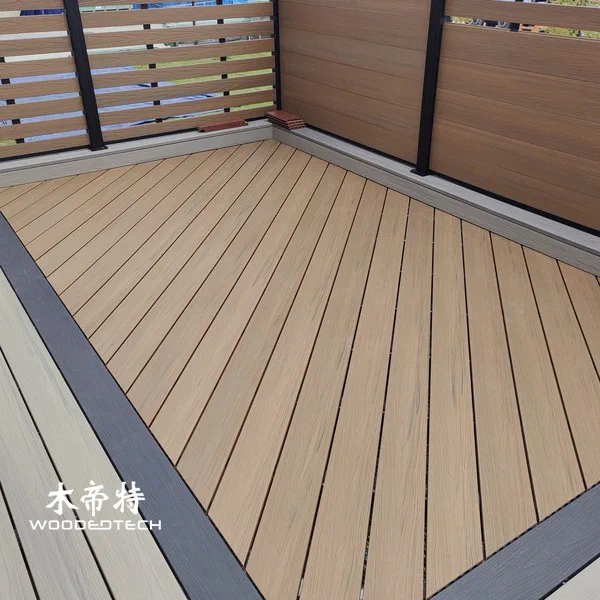
The innovative applications of wood-plastic composite (WPC) panels are transforming outdoor spaces through modern design trends. In 2023, various elements such as colors, textures, profiles, and modular designs are enhancing the aesthetics and functionality of composite decking, wall panels, fences, pergolas, and gazebos. These advancements not only elevate the visual appeal but also improve the durability and usability of outdoor environments.
Embracing Color Variability
Color plays a significant role in modern WPC design. Manufacturers are moving away from traditional browns and grays, introducing a wider palette that includes vibrant hues and subtle tones. This shift allows designers to create unique outdoor spaces that reflect personal style and harmonize with the surrounding environment. The right color can enhance the mood of a space, making it feel inviting or serene, and can be used strategically to highlight architectural features or landscaping elements.
Textures and Finishes
The trend towards textured surfaces is gaining traction. 3D embossed finishes, for instance, mimic the look and feel of natural wood while providing the benefits of WPC. These textures add depth and interest, making surfaces visually appealing while enhancing slip resistance. The tactile experience of textured surfaces invites users to engage with their outdoor spaces, whether it’s a deck, a wall panel, or a garden feature. Available finishes also include smooth and matte options, catering to varied aesthetic preferences.
Innovative Profiles and Modular Designs
Modern design trends prioritize versatility and ease of installation. Innovative profiles in WPC products allow for seamless integration into various architectural styles. Modular designs are particularly popular, enabling easy customization and flexibility in layout. For instance, modular decking tiles can be arranged in an array of patterns, providing homeowners and designers the freedom to create personalized outdoor settings. This adaptability not only accelerates the building process but also allows for easy repairs and replacements.

Sustainability and Durability
Eco-conscious consumers are driving demand for sustainable materials. WPC products are made from recycled materials, making them an environmentally friendly choice. Their durability further enhances their appeal; resistant to rot, decay, and insects, WPC requires minimal maintenance compared to traditional wood. This longevity means that outdoor spaces remain beautiful and functional for years, reducing the need for frequent replacements and contributing to sustainability goals in construction and landscaping.
Fencing and Privacy Solutions
WPC is redefining privacy solutions with stylish fencing options that blend functionality with aesthetic appeal. Modern composite fences offer various designs, from sleek, contemporary lines to more traditional styles, ensuring a match for any outdoor theme. The added benefit of noise reduction and weather resistance makes these fences practical in urban environments where privacy and aesthetics are equally important.
Outdoor Structures and Accessories
The versatility of WPC extends to outdoor structures like pergolas and gazebos. These features can be designed to complement outdoor living spaces, providing shade and shelter while enhancing the overall ambiance. Customizable options allow for tailored solutions that fit specific needs, whether it’s creating a cozy outdoor dining area or a relaxing garden retreat. Accessories such as seating and planter boxes can also be integrated seamlessly, promoting cohesive design throughout the space.
Conclusion
The advancements in WPC panel design for 2023 reflect a commitment to innovation, sustainability, and personalization. By embracing diverse colors, textures, and modular designs, outdoor spaces are being reimagined to enhance both beauty and functionality. As this trend continues, WPC products will play a pivotal role in shaping modern outdoor environments, meeting the evolving needs and tastes of consumers.
Related Articles
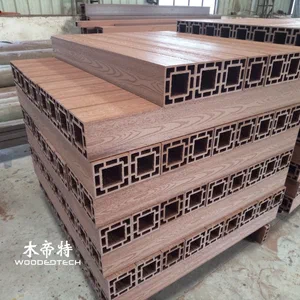 Maximizing Durability and Aesthetics with Composite Decking Corner Trim Solutions
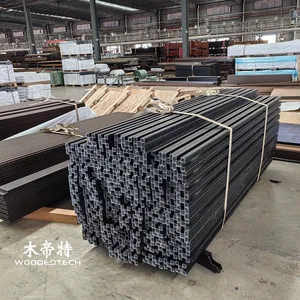 Innovative Composite Deck Patio Ideas for Modern Industrial Spaces in 2023
 3d composite decking creates realistic wood grain surfaces for premium outdoor spaces
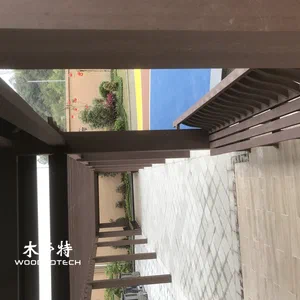 Exploring the Benefits of WPC Deco Panels for Industrial Applications in 2023
Related Products
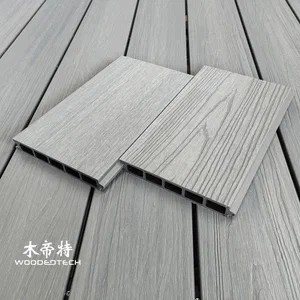 3DGL18024 Composite Decking Fence Features Premium Co Extruded 3D Embossed Antique Wood Grain Texture with Realistic Natural Wood Fibers
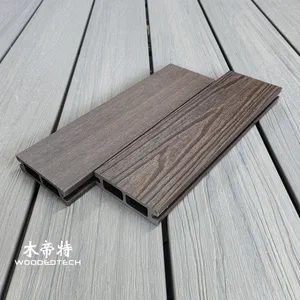 3DGL9024 Composite Decks and Railings Feature Premium Co Extruded 3D Embossed Rosewood Grain Texture with Realistic Natural Wood Fibers
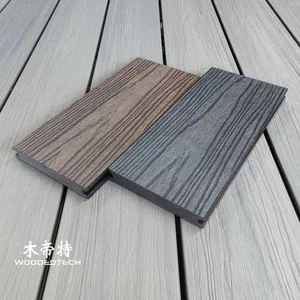 The 3DGD14023S Wood WPC Decking Combines Dual-Tone Rosewood and Dark Grey Colors with a Solid Core and Realistic 3D Embossed Wood Grain