
Innovative Applications of WPC Konstruktionsholz in Modern Construction Projects
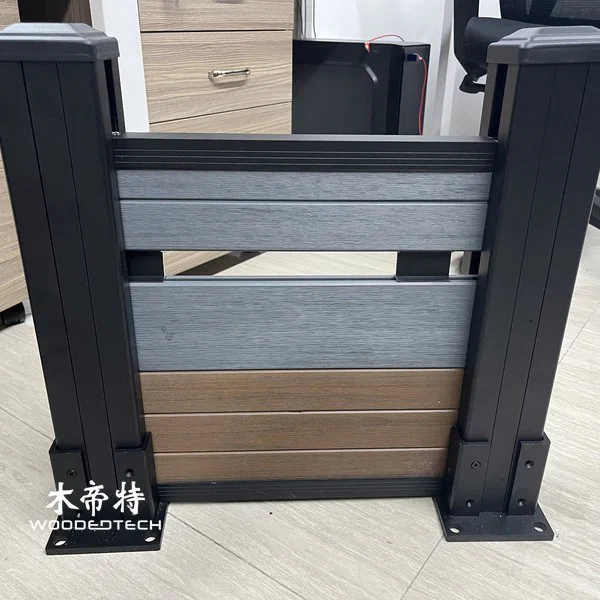
Architects and landscape designers increasingly incorporate wood plastic composite (WPC) materials into their projects to create durable and low-maintenance outdoor environments. WPC products offer a blend of aesthetics and functionality, making them a preferred choice in modern construction while reducing the environmental impact associated with traditional materials.
Benefits of WPC Materials
WPC materials stand out for several reasons:
- Durability: WPC is resistant to weathering, rot, and insect damage, ensuring a long lifespan with minimal maintenance.
- Low Maintenance: Unlike natural wood, WPC does not require frequent staining or sealing, making upkeep easy for property owners.
- Aesthetic Versatility: Available in various colors and textures, WPC can mimic the look of natural wood, allowing for creative design options.
- Eco-Friendly: Many WPC products are made from recycled materials, contributing to sustainable building practices.
These attributes make WPC materials an ideal choice for a range of applications, including decking, cladding, and outdoor furniture.

Project Considerations
When integrating WPC into landscape designs, several project considerations should be taken into account:
- Location and Climate: Understanding the environmental conditions where the materials will be used is crucial. WPC performs well in various climates, but factors like moisture and UV exposure can influence the choice of specific products.
- Intended Use: Different WPC products are designed for specific applications. For instance, WPC decking is engineered to withstand foot traffic, while wall panels may prioritize aesthetic appeal.
- Budget Constraints: While WPC can be more expensive upfront compared to traditional materials, its longevity and low maintenance needs often result in cost savings over time.
- Building Codes and Regulations: Ensure that the selected materials comply with local building codes and regulations, particularly for commercial projects.
Material Selection Advice
Choosing the right WPC products requires careful consideration of the project’s needs and aesthetic goals. Here are some tips for selecting materials:
- Evaluate Product Quality: Focus on high-quality WPC that offers better resistance to fading, scratching, and moisture absorption. Look for fully capped composite decking options that enhance durability.
- Consider Slip Resistance: For outdoor environments, especially around pools or wet areas, choosing anti-slip WPC products can enhance safety.
- Match Aesthetics with Functionality: Balance design preferences with practical requirements. For example, 3D embossed composite decking can provide a unique visual appeal while maintaining functionality.
- Check Manufacturer Credentials: Collaborate with reputable suppliers who can provide warranties and customer support, ensuring confidence in the product’s performance.
Incorporating WPC materials into landscape designs not only enhances the aesthetic appeal of outdoor spaces but also contributes to their longevity and sustainability. By selecting the right products and considering the unique needs of each project, architects and landscape designers can create outdoor environments that are both beautiful and functional.
Related Articles
 Maximizing Outdoor Spaces: Composite Decking Over Concrete for Durability in 2023
 The Benefits of Composite Decking for Hot Tub Installations: A 2023 Guide for Contractors
 Exploring Composite Deck Tiles at Lowes: A Comprehensive Guide for Businesses in 2023
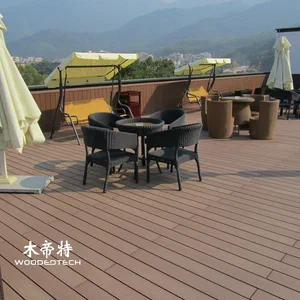 Innovative Applications of Composite Deck Boards for Modern Industrial Projects
Related Products
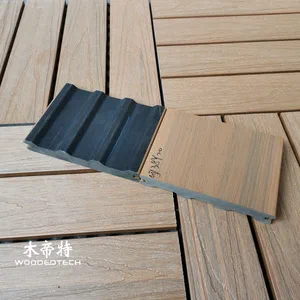 GD13820 M Shape Co Extruded Composite Deck Planks Feature a Special Profile Design for Distinctive Outdoor Decking Applications
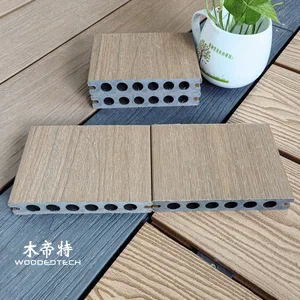 GD13823 Double Sided Flat Surface Co Extruded WPC Decking Features a Popular Width and Thickness with Round Hollow Structure
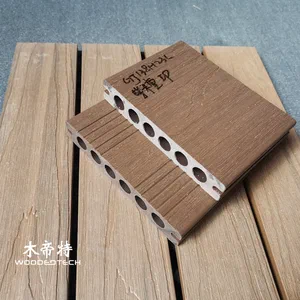 GD13823-3 Composite Boards for Decking Are Available in Multiple Stock Colors with 3 Meter Lengths and Single Piece Delivery