
Innovative Applications of WPC Building Materials in Modern Construction: 2023 Insights
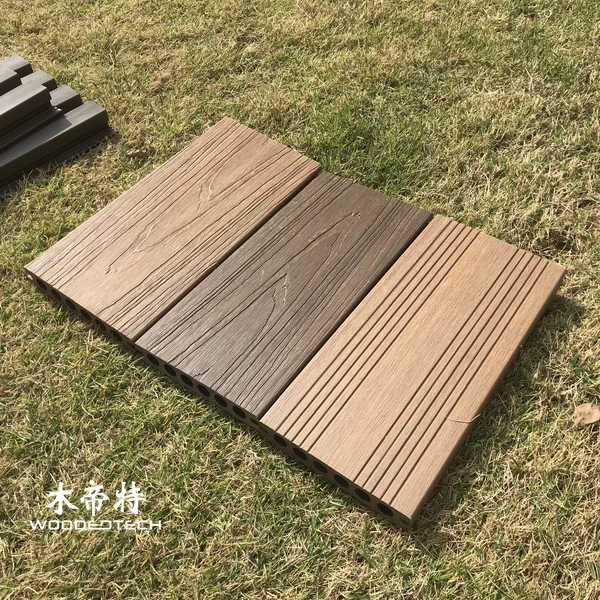
Designing high-performance outdoor wood plastic composite (WPC) materials involves a careful balance of various components to ensure durability, aesthetics, and cost-effectiveness. In this article, we explore the formulation of WPC materials specifically for decking, wall cladding, fencing, pergolas, and landscape products, emphasizing how to achieve optimal performance while managing costs and longevity.
Understanding the Components
A well-designed WPC formula typically consists of wood fibers, plastic resins, and various additives. The choice of these components directly influences the properties of the final product.

Wood Fiber Content: This is a critical factor in defining the composite’s mechanical properties and aesthetics. Higher wood fiber content can enhance the natural look and feel, but it may lead to increased susceptibility to moisture and insects if not properly treated. Optimally, a range of 30% to 70% wood fiber is typically employed for outdoor applications.
Plastic Ratio: The type of plastic used (usually polyethylene or polypropylene) offers resistance to moisture, UV radiation, and decay. A balanced plastic ratio helps in achieving the desired flexibility and strength. For instance, a higher plastic content can improve weather resistance but may compromise the aesthetic qualities associated with a more wood-like appearance.
Additives for Performance Enhancement
Additives play a vital role in enhancing the performance of WPC materials. These can include:
- UV Stabilizers: To prevent degradation from sun exposure.
- Colorants and Fillers: For improved aesthetics and texture.
- Anti-fungal Agents: To inhibit mold and rot.
- Processing Aids: To enhance the ease of manufacturing and improve the flow of materials during extrusion.
When selecting additives, it’s essential to consider the long-term impacts on performance and durability, ensuring that they align with the intended application.
Cost Control Strategies
Managing costs without sacrificing quality involves strategic decision-making in material selection and formulation. Here are some effective strategies:
Sourcing Raw Materials: Utilizing locally-sourced wood fibers and recycled plastics can significantly reduce transportation costs and overall material expenses.
Batch Size Optimization: Producing WPC in larger batches can decrease production costs per unit, but it’s important to ensure that the quality remains consistent across batches.
Long-term Partnerships: Building relationships with suppliers can lead to better pricing, favorable terms, and priority during material shortages.
Product Lifespan Considerations
The longevity of WPC products is largely influenced by formulation and application. To enhance lifespan, consider the following:
Moisture Management: Incorporating moisture-resistant additives and ensuring proper drainage in design can greatly enhance durability.
Surface Treatments: Applying coatings or finishes can protect against wear and UV damage, extending the life of the product. Fully capped composite decking, for example, offers additional protection from elements compared to uncapped varieties.
Testing and Certification: Rigorous testing under real-world conditions can help identify weaknesses in the formulation, allowing for adjustments before mass production.
Applications in Modern Construction
WPC materials are versatile and can be used for various applications, including:
- Decking: Offers a natural wood look with enhanced durability against the elements.
- Wall Cladding: Provides weather resistance while maintaining aesthetic appeal.
- Fencing: Combines strength and low maintenance, ideal for residential and commercial settings.
- Pergolas and Landscape Products: Adds beauty and function to outdoor spaces, designed to withstand outdoor conditions.
Through thoughtful formulation and a focus on quality, WPC products can meet the demands of modern construction while offering sustainable and aesthetically pleasing solutions.
Related Articles
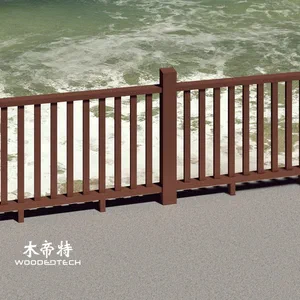 Composite Teak for Durable Outdoor Decking Furniture Cladding and Landscape Applications
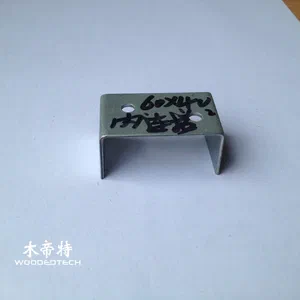 Optimal Composite Decking Joists Spacing: Guidelines for 2023 Industrial Applications
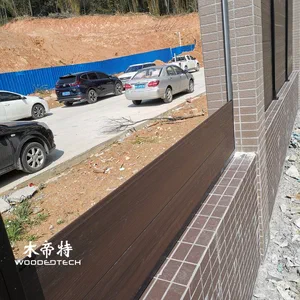 Essential Guide to Selecting WPC Door Frames: Key Considerations for 2024
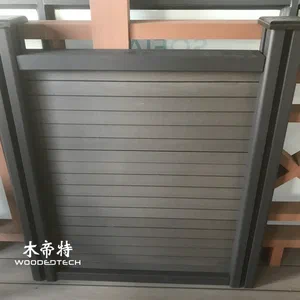 Innovations in Composite Wall Systems: Enhancing Industrial Efficiency in 2023
Related Products
 GD13820 M Shape Co Extruded Composite Deck Planks Feature a Special Profile Design for Distinctive Outdoor Decking Applications
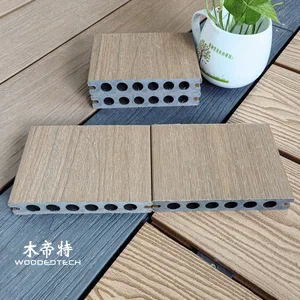 GD13823 Double Sided Flat Surface Co Extruded WPC Decking Features a Popular Width and Thickness with Round Hollow Structure
 GD13823-3 Composite Boards for Decking Are Available in Multiple Stock Colors with 3 Meter Lengths and Single Piece Delivery