
Innovative Applications of Wood Polymer: Transforming the Industrial Landscape in 2023
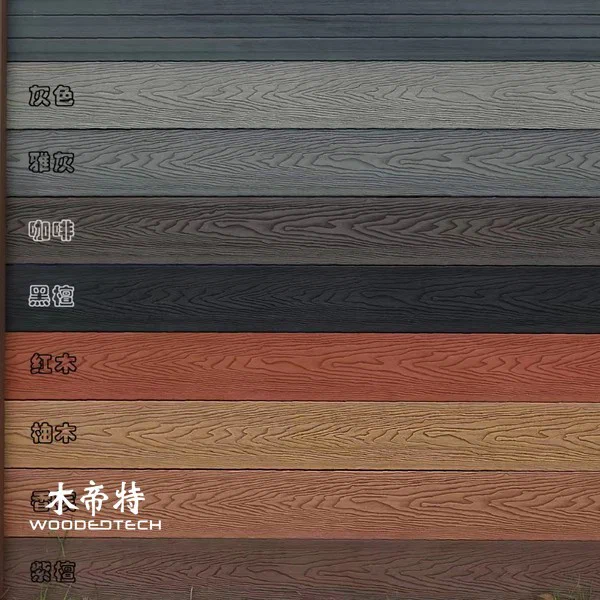
Designing high-performance outdoor wood plastic composites (WPC) for applications like decking, wall cladding, fencing, pergolas, and landscape products involves a careful balance of materials, additives, and cost considerations. This guide outlines the essential elements to create durable and attractive WPC products tailored for various outdoor uses.
Understanding Material Composition
At the core of any WPC formulation is the blend of wood fibers and plastic. The wood fiber ratio typically ranges from 30% to 70%, depending on the desired properties. Higher wood content can enhance aesthetics and provide a more natural look, while increased plastic content often improves durability and resistance to moisture and UV exposure.
- Wood Fiber: Provides a natural appearance, contributes to strength, and can affect the thermal properties.
- Plastic: Usually polyethylene or polypropylene, it enhances weather resistance and longevity.
Finding the optimal blend is crucial; too much wood fiber can lead to decreased strength and increased susceptibility to moisture, while excessive plastic can reduce the composite’s natural appeal.
Selecting Additives

Additives play a vital role in enhancing the performance of WPCs. Key additives include:
- UV Stabilizers: Protect against degradation from sunlight, ensuring color retention and preventing surface cracking.
- Antioxidants: Help maintain the mechanical properties of the plastic matrix over time.
- Fillers: Materials like calcium carbonate can reduce costs while improving stiffness.
- Colorants: Allow for a range of finishes, from natural wood tones to vibrant hues, appealing to diverse consumer tastes.
The selection of additives must align with the intended use and environmental conditions, balancing performance and cost.
Cost Control Strategies
Cost management is essential in WPC formulation. Here are some strategies:
- Material Sourcing: Use locally sourced materials to reduce transportation costs.
- Bulk Purchasing: Buying materials in larger quantities can lead to discounts.
- Optimizing Formulation: Tailor the formulation to meet performance requirements without over-engineering, which can inflate costs.
By carefully assessing these areas, manufacturers can produce high-quality WPCs that remain competitive in the market.
Enhancing Product Lifespan
The longevity of WPC products is a critical selling point. To ensure durability:
- Co-Extrusion Techniques: This involves a layer of durable plastic on the surface of the WPC, providing additional protection against moisture and UV rays.
- Regular Testing: Implementing rigorous testing for weather resistance, slip resistance, and load-bearing capacities can help refine formulas and ensure high performance.
- Maintenance Considerations: Designing products that require minimal maintenance can enhance customer satisfaction and retention.
With advancements in technology, manufacturers can employ innovative methods to improve the lifespan of WPC products significantly.
Applications and Market Trends
WPCs are increasingly popular for various outdoor applications due to their environmental benefits and versatility. As consumers demand sustainable and low-maintenance options, the market for WPC decking, cladding, and fencing is expanding.
- Decking: Often used for residential and commercial outdoor spaces, WPC decking combines aesthetics with durability.
- Wall Cladding: Offers a stylish and weather-resistant solution for exterior walls.
- Fencing and Pergolas: Enhances outdoor aesthetics while providing functional outdoor living spaces.
By focusing on these applications, manufacturers can tap into the growing trend of environmentally friendly building materials.
Related Articles
 Exploring the Advantages of Wood Plastic Composite Board for Industrial Applications
 Essential Considerations for Choosing WPC Panel with UV Sheet for Industrial Applications
 Exploring New Composite Decking Materials: Innovations for the 2023 Construction Industry
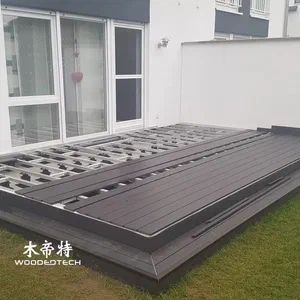 Composite Material Applications for Outdoor Decking Cladding Fencing Furniture and Garden Structures
Related Products
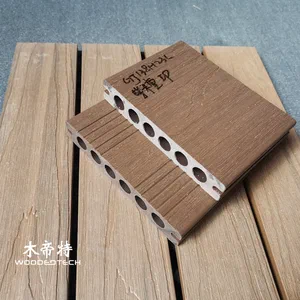 GD13823-3 Composite Boards for Decking Are Available in Multiple Stock Colors with 3 Meter Lengths and Single Piece Delivery
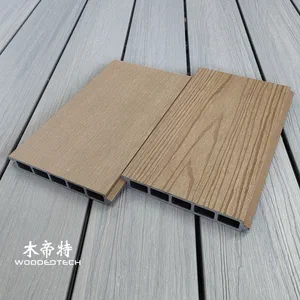 3DGL18024 WPC Longboard Fence Features Premium Co Extruded 3D Embossed Teak Wood Grain Texture with Realistic Natural Wood Fibers
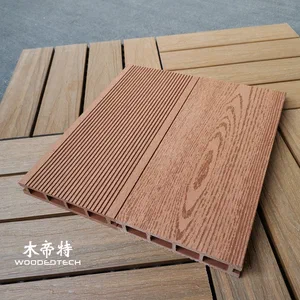 The Classic D14025-4 Red Wood WPC Wood Sheet Features a Timeless 2D Flat Wood Grain Design That Remains Popular After Twenty Years