
Innovative Applications of Wood Plastic Composite Fence in Modern Industrial Environments
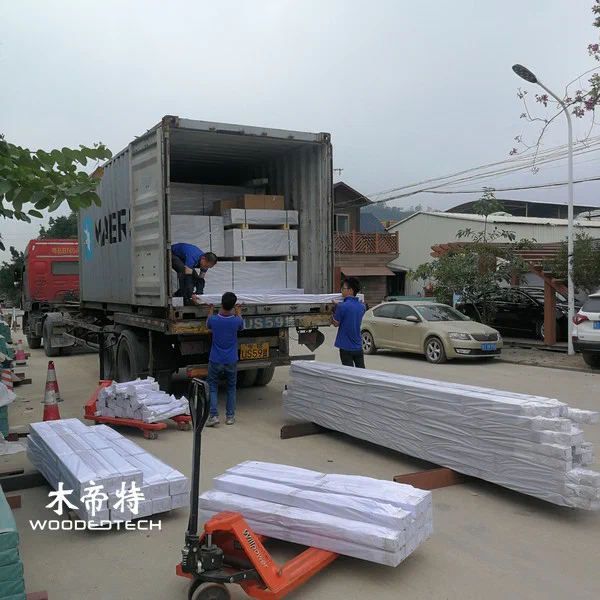
Designing high-performance outdoor wood plastic composite (WPC) formulas involves a careful balance of materials and additives to create durable products suitable for applications like decking, wall cladding, fencing, pergolas, and landscape features. The aim is to achieve optimal performance while considering cost efficiency and longevity.
Key Components of WPC Formulation
The formulation of WPC primarily revolves around three critical components: wood fiber, plastic, and various additives. Each of these elements plays a significant role in the overall performance of the product.
Wood Fiber Content: The inclusion of wood fibers provides the composite with a natural appearance and enhances its mechanical properties. However, too much wood can lead to increased water absorption, which may compromise durability. Typically, a wood fiber content between 40-70% is ideal for outdoor applications, ensuring strength while maintaining resistance to moisture.
Plastic Ratio: The type of plastic used is equally important. Common choices include polyethylene, polypropylene, or polyvinyl chloride. The plastic content should complement the wood fiber, generally ranging from 30-60%. The right balance ensures flexibility and impact resistance, allowing the composite to withstand various weather conditions without warping or cracking.
Additives and Their Functions
To enhance performance, various additives are incorporated into the WPC formula:
- UV Stabilizers: These additives protect the composite from sun damage, maintaining color and preventing degradation over time.
- Antimicrobial Agents: These help prevent mold and mildew growth, especially important for products exposed to moisture.
- Flame Retardants: In environments where fire safety is a concern, incorporating flame retardants increases safety.
- Colorants and Foaming Agents: These can be used for aesthetic purposes or to achieve specific physical properties, like reduced weight.
Cost Control Strategies
While high-quality materials are essential for performance, cost control is also a crucial factor. Here are some strategies:
- Bulk Purchasing: Buying raw materials in bulk can significantly reduce costs.
- Alternative Materials: Exploring different types of wood fibers or plastics can lead to cost savings without compromising quality. For example, using recycled plastics can be economically advantageous and environmentally friendly.
- Optimizing Formulation: Conducting tests to find the perfect blend of materials can help reduce waste and ensure that the final product meets performance standards without excess material use.
Product Lifespan Considerations
The lifespan of WPC products is influenced by several factors, including material selection, formulation, and maintenance requirements. High-performance WPC products can last upwards of 25 years when designed correctly. Key considerations include:
- Environmental Resistance: Understanding the specific environmental challenges (e.g., humidity, UV exposure) where the product will be used can dictate material choices and additives.
- Maintenance Requirements: Designing products that require minimal maintenance can enhance user satisfaction and longevity. For instance, a composite that doesn’t need frequent sealing or staining can appeal to end-users.
Innovative Applications

The versatility of wood plastic composites makes them suitable for various applications in modern industrial environments. From fencing to decorative wall panels, WPC’s aesthetic appeal combined with durability offers a unique solution for many needs. Its resistance to rot, insects, and weather makes it an ideal choice for outdoor structures, while its customizable nature allows for a range of designs and finishes.
Related Articles
 Essential Guide to Wood Plastic Composite Fence Installation: Best Practices for 2023
 Innovative Applications of Plastic Wood Cover in Industrial Manufacturing: 2023 Insights
 Innovative Applications of Plastic Wood for Exterior Use in 2023: A Comprehensive Guide
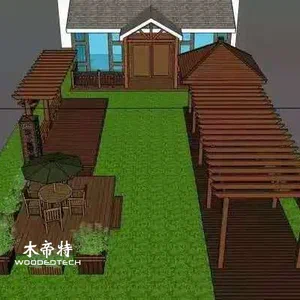 Innovative Uses of Recycled Plastic Wood Panels in Sustainable Construction Solutions
Related Products
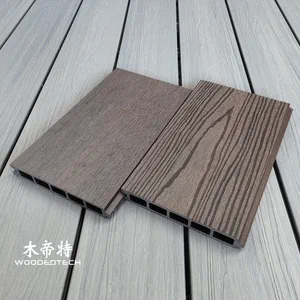 3DGL18024 Composite Fence Panels Feature Premium Co Extruded 3D Embossed Rosewood Grain Texture with Realistic Natural Wood Fibers
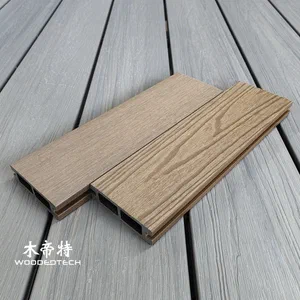 3DGL9024 Composite Fence Features Premium Co Extruded 3D Embossed Teak Wood Grain Texture with Realistic Natural Wood Fibers
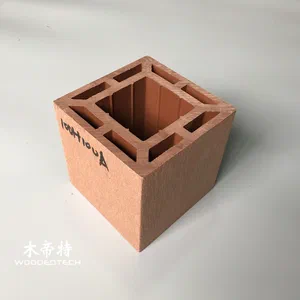 L100100 Four Sided Flat Wood Plastic Composite Profiles for Durable Fence Posts