
Innovative Applications of Plastic Wood Planters in Modern Industrial Gardening
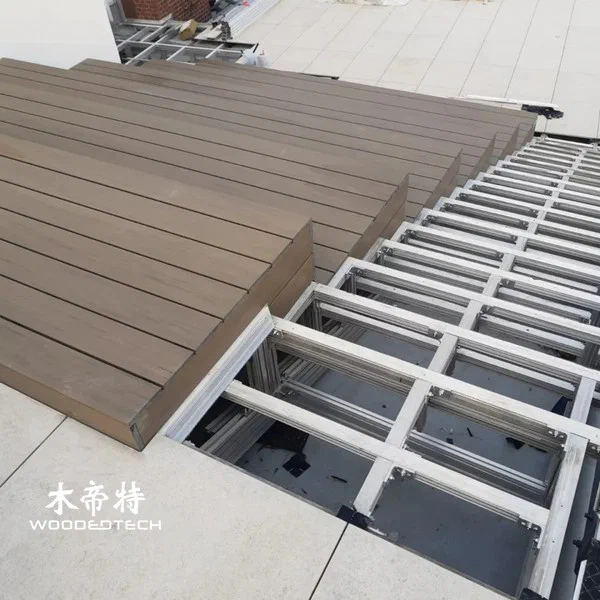
Architects and landscape designers increasingly turn to wood plastic composite (WPC) products for their innovative applications in modern industrial gardening. These materials offer a unique blend of durability and low maintenance, making them ideal for outdoor environments. By incorporating WPC planters, designers can create aesthetically pleasing and functional spaces that require minimal upkeep.
Benefits of WPC Products
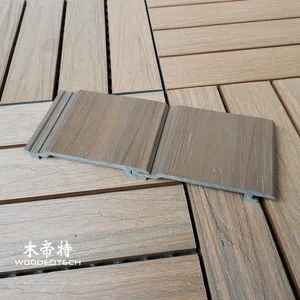
WPC materials provide several advantages over traditional wood and other outdoor materials. They are resistant to moisture, insects, and decay, ensuring longevity even in harsh weather conditions. This resilience translates to lower replacement and maintenance costs over time. Additionally, WPC products are eco-friendly, often made from recycled materials, which appeals to sustainability-focused projects.
- Moisture resistance
- Insect and decay resistance
- Eco-friendly composition
- Low maintenance requirements
- Aesthetic versatility
Project Considerations

When utilizing WPC planters in industrial gardening projects, several factors should be taken into account. The project’s location, climate, and intended use will significantly influence material selection. For example, areas with high humidity may require WPC products with enhanced moisture resistance. It’s also essential to consider the overall design and how the planters will integrate with existing structures and landscapes.
Designers should also evaluate the scale of the planters. Larger installations may require structural support, while smaller planters can be more flexible in design. Additionally, the choice of colors and textures can help unify the outdoor space, enhancing the overall visual impact.
Material Selection Advice
Selecting the right WPC product involves understanding the specific needs of the project. Here are some key points to consider:
- Durability: Opt for fully capped composite decking that offers superior protection against moisture and fading.
- Aesthetic Appeal: Choose colors and textures that complement the overall design theme. WPC offers a variety of finishes, from wood grain to bold colors.
- Sustainability: Look for products made from recycled materials to meet eco-friendly project goals.
- Maintenance: Select low-maintenance options that do not require staining or sealing, allowing for more carefree enjoyment of the outdoor space.
Innovative Uses of WPC Planters
WPC planters have opened up new possibilities in garden design. They can be strategically placed to create focal points in industrial settings, or used in vertical gardening applications to maximize space. Their lightweight nature allows for easy relocation, making them adaptable to changing designs or seasonal plantings.
Moreover, WPC planters can be integrated with modern irrigation systems, ensuring efficient water usage. This feature not only promotes plant health but also enhances the sustainability aspect of the project.
WPC materials are not just functional; they contribute to the aesthetic quality of outdoor spaces. Their versatility allows architects and designers to craft unique environments that elevate industrial gardening to new heights.
Utilizing WPC products in outdoor settings provides a blend of durability, low maintenance, and design flexibility. The potential applications are vast, making them an essential consideration for any landscape project focused on modern industrial gardening.
Related Articles
 Plastic Wood Planter Solutions: Durable, Sustainable Options for Commercial Landscaping
 Innovative Uses of WPC Planters in Sustainable Landscaping Solutions for 2023
 Enhancing Communication in the Workplace: The Benefits of WPC Letter Boards for Businesses
 Understanding WPC Meaning: A Comprehensive Guide for Industrial Applications in 2023


