
Innovative Applications of Plastic Wood Cover in Industrial Manufacturing: 2023 Insights
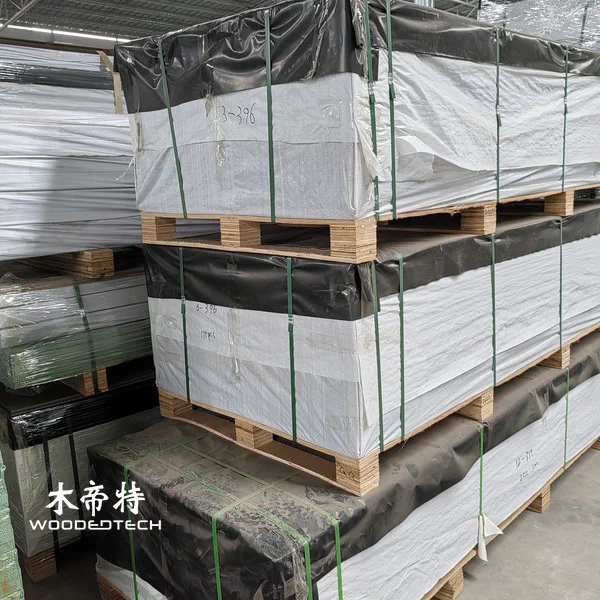
Designing high-performance wood plastic composite (WPC) formulas for outdoor applications requires a strategic approach that balances wood fiber content, plastic ratios, additives, cost control, and product lifespan. These elements are critical for creating durable and aesthetically pleasing products, including decking, wall cladding, fencing, pergolas, and landscape features.
Understanding Material Composition
The core of any WPC formula lies in the accurate selection of materials. Typically, WPCs are composed of two main components: wood fibers and thermoplastic polymers. The wood fiber content generally ranges between 40% to 70%, while the plastic content makes up the remaining percentage. This balance is crucial as it affects the mechanical properties, appearance, and performance of the final product.
Higher wood fiber content can enhance the aesthetic appeal and provide a natural feel, but it may also compromise durability and moisture resistance. Conversely, increasing the plastic ratio improves environmental resistance and longevity, so finding the right balance is essential to meet specific application requirements.
Additives and Performance Enhancements
Incorporating additives can significantly improve the performance of WPC products. Common additives include:
- UV stabilizers to enhance weather resistance
- Anti-fungal agents to prevent mold and degradation
- Colorants and pigments for aesthetic customization
- Processing aids for improved manufacturing efficiency
Each of these additives plays a role in ensuring that the WPC maintains its integrity and appearance over time, especially in outdoor settings where exposure to sunlight, moisture, and temperature fluctuations is common.
Cost Control Strategies
Cost management is a critical aspect of WPC formulation development. While high-quality raw materials can enhance performance, they also increase production costs. Manufacturers should focus on:
- Sourcing sustainable and cost-effective wood fibers
- Exploring alternative thermoplastics that offer similar performance at a lower cost
- Optimizing production processes to reduce waste and energy consumption
By carefully analyzing these factors, companies can produce high-performance WPC products without compromising on quality while keeping costs manageable.
Longevity and Durability
The lifespan of WPC products is influenced by several factors, including environmental conditions and maintenance requirements. Formulations that optimize moisture resistance and UV stability will typically extend the life of outdoor products. Additionally, the choice of wood fiber type can impact durability, with hardwood fibers often providing superior performance compared to softwood fibers.
To enhance product lifespan, it is also important to consider the end-use environment. For example, decking exposed to high foot traffic may require a tougher formulation compared to wall cladding that experiences less wear.
Applications in Outdoor Products
WPCs have a wide range of applications, making them suitable for various outdoor products. Each application may require tailored formulations to meet specific performance criteria:

- Decking: Requires high slip resistance and durability against foot traffic.
- Wall Cladding: Needs aesthetic appeal and weather resistance.
- Fencing: Must have structural strength and resistance to decay.
- Pergolas: Should provide stability and visual appeal while withstanding outdoor elements.
- Landscape Products: Must be versatile and durable to accommodate different environmental conditions.
By understanding the specific demands of these applications, developers can create targeted WPC formulations that meet market needs.
The formulation of high-performance wood plastic composites demands a deep understanding of material properties, performance requirements, and economic considerations. Striking the right balance between wood fiber content, plastic ratio, and the inclusion of additives not only enhances product quality but also ensures longevity and cost-effectiveness, making WPC an excellent choice for outdoor applications.
Related Articles
 Understanding Composite Decking Boards Sizes: A Comprehensive Guide for 2023
 Optimizing WPC's: The Future of Composite Materials in Industrial Applications
 Understanding Composite Deck Gap: Best Practices for Industrial Applications in 2023
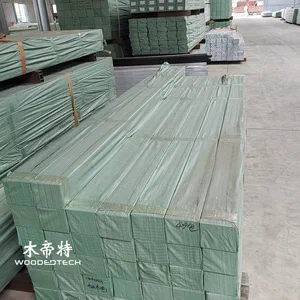 Solid Composite for Strong Durable Outdoor Decking Panels and Architectural Applications
Related Products
 GD13820 M Shape Co Extruded Composite Deck Planks Feature a Special Profile Design for Distinctive Outdoor Decking Applications
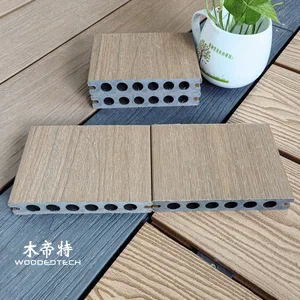 GD13823 Double Sided Flat Surface Co Extruded WPC Decking Features a Popular Width and Thickness with Round Hollow Structure
 GD13823-3 Composite Boards for Decking Are Available in Multiple Stock Colors with 3 Meter Lengths and Single Piece Delivery