
Innovative Applications of Composite Railing in Commercial Construction: 2023 Insights
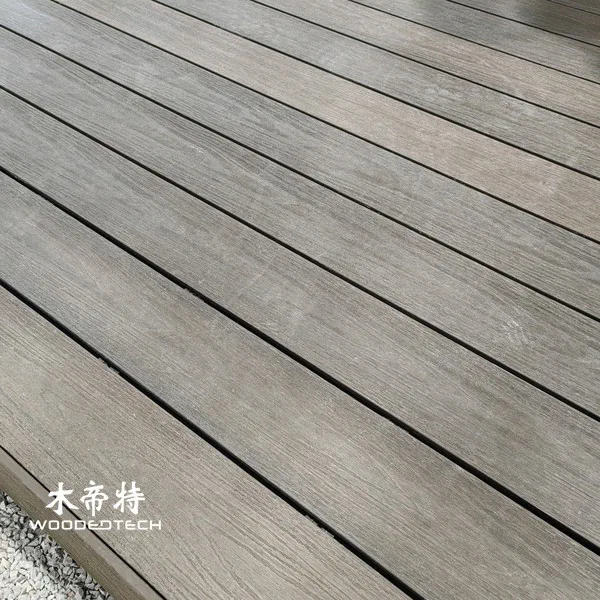
Architects and landscape designers increasingly incorporate wood plastic composite (WPC) products in their outdoor projects to create durable, low-maintenance environments. WPC materials offer a blend of wood and plastic that combines aesthetic appeal with enhanced longevity, making them ideal for a variety of applications. This article explores how these professionals utilize WPC products, along with essential project considerations and material selection tips.
Advantages of WPC Products
WPC materials are celebrated for their numerous advantages in outdoor settings. They are resistant to moisture, rot, and insects, significantly reducing the frequency of repairs and replacements compared to traditional materials. This resilience makes WPC a practical choice for commercial constructions, particularly in regions with harsh weather conditions. Additionally, WPC products require minimal maintenance, allowing architects and landscape designers to focus on other project elements rather than ongoing upkeep.
Another key benefit of WPC is its versatility in design. Available in various colors, textures, and finishes, WPC products can mimic the appearance of natural wood while providing the added performance benefits of synthetic materials. This flexibility allows for creative freedom and can enhance the aesthetic value of outdoor spaces.
Project Considerations
When integrating WPC products into design, several project considerations should be taken into account. First, the intended use of the space must be evaluated. For high-traffic areas, selecting WPC products with anti-slip surfaces can enhance safety. Additionally, understanding the local climate is crucial; choosing materials that withstand local weather conditions can ensure longevity and performance.
Budget is another critical aspect. While WPC products may have a higher upfront cost than some traditional materials, their durability and low maintenance requirements often result in lower lifetime costs. It’s essential for architects and designers to communicate this to stakeholders to justify investment in WPC materials.
Material Selection Advice
Selecting the right WPC products for a project involves careful consideration of several factors. Architects and landscape designers should assess the following:
- Application: Determine if the product will be used for decking, railing, or cladding. Different applications may require specific material properties.
- Aesthetics: Choose colors and finishes that complement the overall design of the project. WPC products come in various styles, allowing for tailored solutions.
- Performance: Evaluate the product’s durability, resistance to fading, and slip resistance. Fully capped WPC products often provide superior performance in outdoor environments.
- Sustainability: Many WPC products are made from recycled materials, making them an environmentally friendly choice. Consider sourcing from manufacturers that prioritize sustainable practices.
Innovative Applications
WPC materials have opened new avenues for design innovation in commercial construction. From creating comfortable outdoor seating areas to forming striking façade accents, the applications are vast. For instance, WPC railings and cladding can enhance the visual appeal of a building while providing necessary safety features. Similarly, using WPC for planters or garden features can integrate greenery seamlessly into architectural designs.
With ongoing advancements in WPC technology, architects and landscape designers can expect even more options to enhance their projects. Emerging trends include the development of textured surfaces and customizable products that meet specific design needs.
Incorporating WPC materials into outdoor environments not only enhances durability and aesthetics but also aligns with modern sustainability practices. By understanding the advantages, project considerations, and selection criteria for WPC products, architects and landscape designers can create beautiful, functional, and enduring outdoor spaces.

Related Articles
 Enhancing Curb Appeal: The Benefits of Composite Railing for Front Porches in 2023
 Can You Put Composite Railing on Wood Deck? A Guide for Industry Professionals in 2023
 Enhancing Outdoor Spaces: The Importance of Composite Deck Railing Balusters in 2023
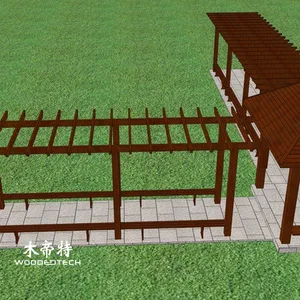 Innovative Composite Deck Handrail Solutions for Enhanced Safety and Aesthetics in 2023
Related Products
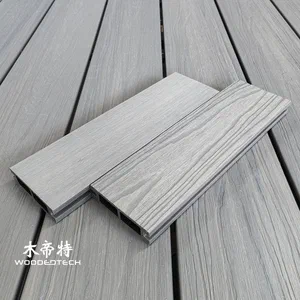 3DGL9024 Composite Railing Kits Feature Premium Co Extruded 3D Embossed Antique Wood Grain Texture with Realistic Natural Wood Fibers
 B30014 Plastic Wood 4x8 Sheets Provide Wide Thin Boards for Large Outdoor Display and Surface Applications
 B5010 Tiny Plastic Composite Panels Offer Flexible Thin Boards for Curved Edges and Outdoor Decorative Designs