
Innovative Applications of Composite Deck Boards for Modern Industrial Projects
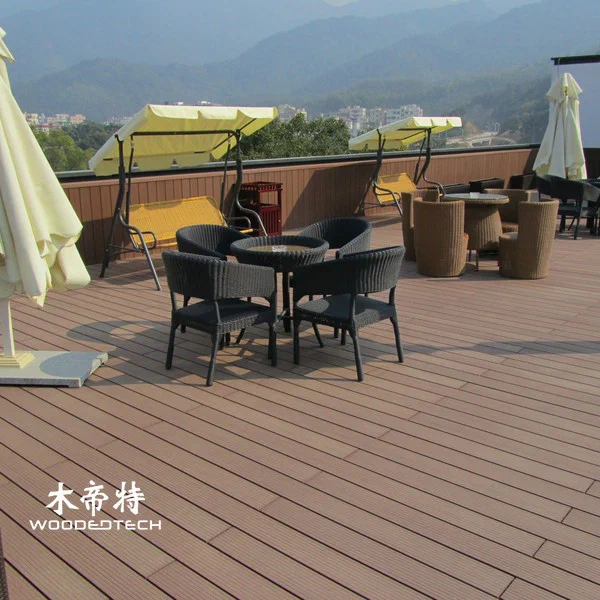
Architects and landscape designers increasingly turn to wood-plastic composite (WPC) materials to enhance outdoor environments, particularly for modern industrial projects. WPC products offer a blend of durability, aesthetic appeal, and low maintenance, making them ideal for a range of applications in landscape design.
Benefits of WPC in Outdoor Environments
WPC materials are engineered to withstand the elements while providing a natural wood-like appearance. They resist fading, splintering, and decay, making them an excellent choice for outdoor spaces that require longevity. Key benefits include:
- Resistance to moisture and insects
- Low maintenance requirements; no need for staining or sealing
- Eco-friendly options available, often made from recycled materials
- Variety in colors and textures to match design aesthetics

These characteristics make WPC products suitable for various applications, from decks and patios to wall cladding and outdoor furniture.
Project Considerations
When integrating WPC materials into projects, architects and designers should consider several factors:
Environmental Conditions: Understanding the local climate is crucial. Areas with high humidity or intense sunlight may require specific types of WPC that offer enhanced UV resistance or moisture protection.
Foot Traffic and Use: Determine the level of foot traffic the area will experience. For high-traffic zones, selecting a robust WPC with anti-slip features is beneficial.
Design Harmony: The chosen WPC product should complement the overall design of the project. This includes matching colors, textures, and styles with other materials used in the space.
Budget Constraints: WPC products come in various price ranges. It’s important to balance quality with budget, ensuring the selected materials meet performance needs without compromising aesthetics.
Material Selection Advice
Choosing the right WPC product is essential for achieving the desired outcome in any project. Here are some tips for material selection:
Capped vs. Uncapped WPC: Capped WPC features a protective layer that enhances durability and resistance to stains and moisture. This makes capped options ideal for areas exposed to the elements. Uncapped options may be more cost-effective but may require more maintenance.
Surface Texture: Consider the finish of the WPC. Textured surfaces can provide better traction, while smooth finishes may be preferable for aesthetics.
Color Options: WPC is available in various colors, enabling customization to match the project’s theme. Lighter colors may reflect heat, while darker colors can absorb it, impacting comfort in outdoor spaces.
Recycled Content: Opting for WPC made from recycled materials can enhance sustainability credentials and appeal to eco-conscious clients.
Innovative Applications
The versatility of WPC products allows for innovative applications in modern industrial design. They can be used for:
- Walkways and Patios: Creating inviting outdoor spaces that withstand heavy use while maintaining a polished look.
- Wall Cladding: Offering aesthetic appeal and weather resistance for industrial buildings.
- Furniture and Fixtures: Designing durable seating and structures that enhance the functionality of outdoor environments.
By leveraging WPC materials, architects and landscape designers can create spaces that are not only visually appealing but also functional and sustainable. The combination of durability and low maintenance makes WPC a preferred choice for modern industrial projects.
Related Articles
 Exploring the Benefits of Composite Deck Boards 10 ft for Commercial Projects in 2023
 Innovative Applications of WPC Vlonderplanken in Modern Industrial Landscaping
 Essential Guide to Choosing Composite Deck Boards: Key Factors for B2B Professionals
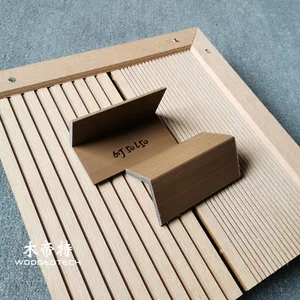 Innovative Applications of Composite Board for Decking in Commercial Projects
Related Products
 GD13820 M Shape Co Extruded Composite Deck Planks Feature a Special Profile Design for Distinctive Outdoor Decking Applications
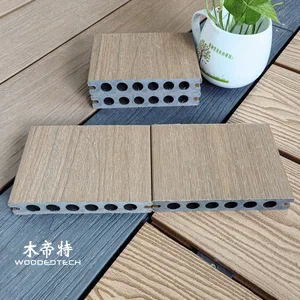 GD13823 Double Sided Flat Surface Co Extruded WPC Decking Features a Popular Width and Thickness with Round Hollow Structure
 GD13823-3 Composite Boards for Decking Are Available in Multiple Stock Colors with 3 Meter Lengths and Single Piece Delivery