
Innovative Applications of Composite Board for Decking in Commercial Projects
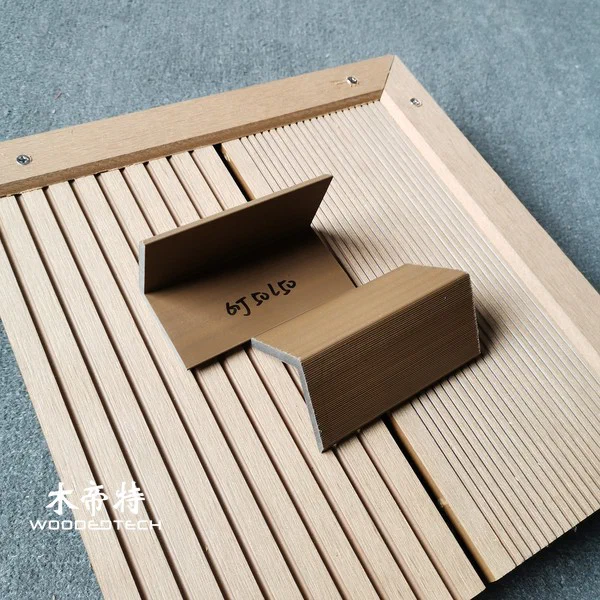
Architects and landscape designers increasingly turn to wood-plastic composite (WPC) materials for their outdoor projects. These products offer a blend of durability and low maintenance, making them an ideal choice for creating outdoor environments that withstand the elements while requiring minimal upkeep.
Advantages of WPC in Design
WPC materials provide significant advantages in commercial projects. They are resistant to rot, mold, and insect damage, which are common issues with traditional wood. This durability results in longer-lasting installations and reduced replacement costs. Furthermore, WPC materials are designed to withstand harsh weather conditions, making them suitable for various climates.
Another major benefit is their low maintenance requirements. Unlike wood, which needs regular sealing, staining, or painting, WPC products typically require only occasional cleaning. This ease of maintenance allows architects and landscape designers to create beautiful spaces without the ongoing commitment of traditional materials.
Design Flexibility
WPC products come in a variety of colors, textures, and finishes, enabling designers to achieve desired aesthetics. They can be made to mimic the appearance of natural wood while providing the practical benefits of composite materials. This versatility allows for creative expressions in outdoor environments, from contemporary decking solutions to classic, rustic designs.
Project Considerations
When selecting WPC materials for a project, several factors should be considered:

- Location and Climate: Assess the environmental conditions where the project will occur. WPC products are ideal for areas with high moisture or extreme temperatures.
- Traffic Levels: Consider the expected foot traffic. Certain WPC products are designed to withstand heavy use, making them suitable for commercial spaces such as parks, walkways, and patios.
- Compliance and Regulations: Ensure that the selected materials meet local building codes and regulations, especially in commercial applications.
- Sustainability: Many WPC products are made from recycled materials, appealing to environmentally conscious clients who prioritize sustainability.
Material Selection Advice
Choosing the right WPC product involves evaluating specific features:
- Capped vs. Uncapped: Capped composite decking has a protective layer that increases durability and resistance to stains and fading. This makes it a preferred choice for high-traffic areas.
- Surface Texture: The texture of the WPC surface can impact both aesthetics and safety. Products designed with anti-slip surfaces are crucial for areas prone to moisture.
- Color Options: Consider color schemes that align with the overall project design. The availability of various colors allows for cohesive integration with surrounding elements.
Innovative Applications
WPC products have found innovative applications beyond traditional decking. They are now being used in:
- Wall Cladding: WPC panels can enhance the facade of buildings, providing both insulation and a modern aesthetic.
- Furniture and Fixtures: WPC materials are increasingly used for benches, planters, and other outdoor furnishings, offering a unified look across outdoor spaces.
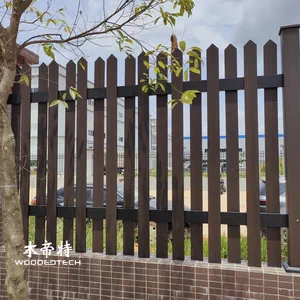
- Fencing: Composite fencing solutions provide privacy while maintaining a stylish appearance, complementing the outdoor environment.
By leveraging WPC materials, architects and landscape designers can create durable, low-maintenance outdoor environments that are both functional and visually appealing. The blend of practical benefits with design versatility makes WPC an excellent choice for a wide range of commercial projects.
Related Articles
 len("Composite Board for Decking: B2B Supply Trends and Performance Guide")
 Assessing Composite Deck Safety: Are Composite Decks Slippery When Wet?
 Best Practices for Installing Composite Decking on Stairs: A Comprehensive Guide for 2023
 Exploring the Benefits of Golden Select Composite Deck Tiles: Light Brown Options for 2023
Related Products
 GD13820 M Shape Co Extruded Composite Deck Planks Feature a Special Profile Design for Distinctive Outdoor Decking Applications
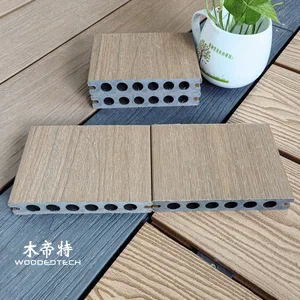 GD13823 Double Sided Flat Surface Co Extruded WPC Decking Features a Popular Width and Thickness with Round Hollow Structure
 GD13823-3 Composite Boards for Decking Are Available in Multiple Stock Colors with 3 Meter Lengths and Single Piece Delivery