
Innovations in Polymer Wood Composite: Enhancing Durability and Sustainability in 2023
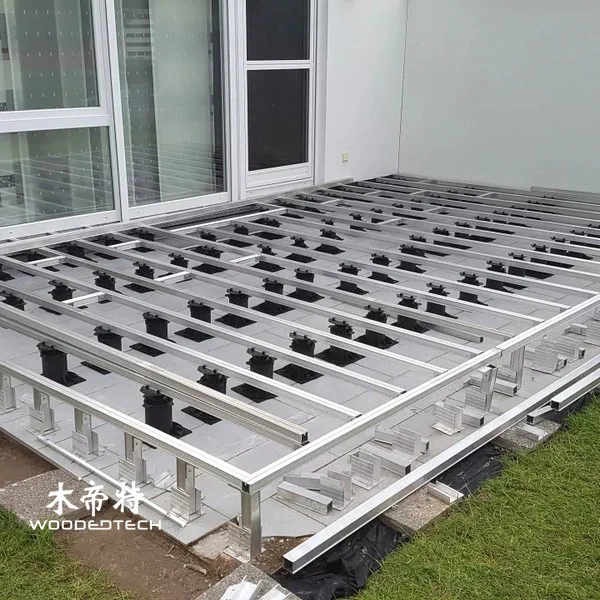
Outdoor Wood Plastic Composite (WPC) is gaining traction as an environmentally friendly alternative for various outdoor applications. By combining recycled materials with innovative technology, WPC significantly reduces the consumption of natural wood while offering exceptional durability and low-maintenance benefits.
Recycled Materials
One of the primary reasons WPC is considered eco-friendly is its use of recycled materials. WPC typically consists of a blend of recycled plastic and wood fibers, diverting these materials from landfills and minimizing the need for virgin resources. This not only reduces waste but also lowers the overall carbon footprint associated with traditional wood harvesting and processing. By choosing WPC, consumers contribute to a circular economy where materials are reused rather than discarded.
Reduced Wood Consumption
The production of WPC significantly decreases the demand for natural timber, which is critical given the ongoing concerns about deforestation and habitat destruction. As WPC can often be produced with a fraction of the wood typically used in conventional decking or paneling, it helps preserve forests and biodiversity. This is especially important as global populations continue to grow, putting additional pressure on natural resources.
Durability
WPC is engineered for longevity, making it a superior choice for outdoor applications. Unlike traditional wood, which is prone to warping, splintering, and rotting, WPC boasts enhanced resistance to moisture, insects, and UV radiation. This durability ensures that WPC products maintain their aesthetic appeal and structural integrity over time, reducing the need for frequent replacements and repairs. As a result, WPC not only saves money in the long run but also lessens the environmental impact associated with manufacturing and transporting replacement materials.
Low-Maintenance Advantages
Another key advantage of outdoor WPC is its low-maintenance requirements. Traditional wood surfaces often require regular staining, sealing, and cleaning to preserve their appearance and functionality. In contrast, WPC requires minimal upkeep; it can typically be cleaned with just soap and water. This ease of maintenance means fewer chemical treatments are needed, further minimizing the environmental impact. For businesses and homeowners alike, the reduced time and effort spent on upkeep make WPC an attractive choice.
Conclusion

The advancements in Wood Plastic Composite technology in 2023 highlight its role as a sustainable alternative for outdoor applications. With its incorporation of recycled materials, reduced reliance on natural wood, exceptional durability, and low-maintenance properties, WPC stands out as an environmentally responsible choice for building and landscaping projects. Embracing WPC not only promotes sustainability but also enhances the beauty and functionality of outdoor spaces.
Related Articles
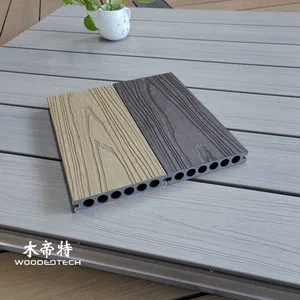 Exploring the Benefits of WPC Coffee: A Sustainable Solution for 2024
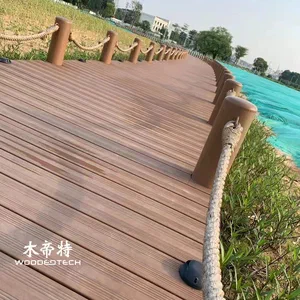 Innovations in Composite Boards for Decks: Enhancing Durability and Sustainability in 2023
 Good Decking Composite Provides Reliable Outdoor Flooring Options with Low Maintenance Benefits
 Evaluating Top Brands of Composite Decking for Sustainable Building Solutions
Related Products
 GD13823-3 Composite Boards for Decking Are Available in Multiple Stock Colors with 3 Meter Lengths and Single Piece Delivery
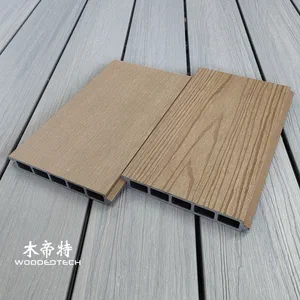 3DGL18024 WPC Longboard Fence Features Premium Co Extruded 3D Embossed Teak Wood Grain Texture with Realistic Natural Wood Fibers
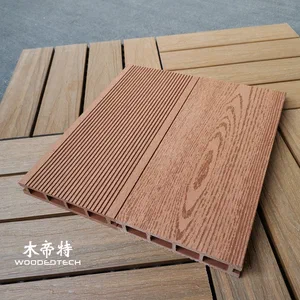 The Classic D14025-4 Red Wood WPC Wood Sheet Features a Timeless 2D Flat Wood Grain Design That Remains Popular After Twenty Years