
Innovations in Plastic Wood Composite Sheets: Durable Solutions for 2023
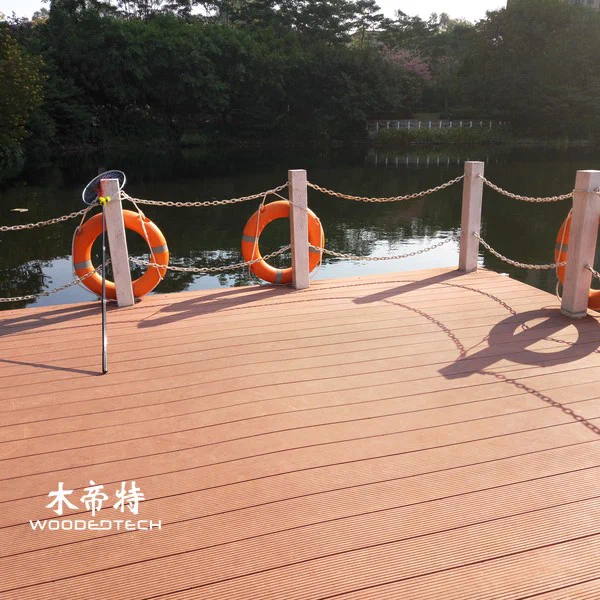
Designing high-performance outdoor wood plastic composite (WPC) formulas involves a careful balance of wood fiber content, plastic ratio, additives, cost control, and product lifespan. These composites are increasingly popular for applications such as decking, wall cladding, fencing, pergolas, and landscape products due to their durability and aesthetic appeal.
Balancing Wood Fiber and Plastic Content
The ratio of wood fiber to plastic is crucial in determining the performance characteristics of WPC products. Typically, a higher wood fiber content enhances the natural look and feel of the composite, improving its environmental footprint. However, too much wood can lead to issues like moisture absorption and warping. A common balance is around 50-70% wood fiber to 30-50% plastic. This range ensures that the composite retains its structural integrity while providing a visually appealing finish.
Plastic content, primarily polyethylene or polypropylene, provides essential waterproofing and UV resistance, which are vital for outdoor applications. It also contributes to the overall flexibility and impact resistance of the product. In designing WPC formulas, engineers need to strike a careful balance to achieve optimal performance without compromising durability.
Additives for Enhanced Performance
Incorporating additives into WPC formulations can significantly improve the performance and longevity of the final products. Common additives include:
- UV stabilizers: Protect against degradation from sunlight exposure.
- Antimicrobial agents: Prevent mold and mildew growth, especially crucial for outdoor applications.
- Flame retardants: Enhance fire resistance, important for safety in residential and commercial settings.
- Colorants: Allow customization of the product’s aesthetic while ensuring color stability over time.
The selection of additives should be guided by the intended application and desired performance characteristics, all while keeping an eye on cost implications.
Cost Control Strategies
Cost control in WPC formulation is a vital aspect of product development, especially in a competitive market. Achieving a balance between high-quality materials and affordability can be challenging.
Using recycled materials can reduce costs and improve sustainability. Sourcing local materials can also help minimize transportation costs, further enhancing the price competitiveness of the final product. Engineers should also evaluate the processing techniques used, as optimizing the manufacturing process can lead to significant cost savings without sacrificing quality.

Product Lifespan and Maintenance
The expected lifespan of WPC products is a key consideration in their design. High-performance WPC should last 25 years or more with minimal maintenance. This longevity is achieved through:
- Durable formulations: Ensuring the right balance of wood and plastic, along with effective additives.
- Surface treatments: Applying coatings or finishes that enhance weather resistance and reduce wear.
- Design features: Implementing non-slip surfaces and drainage systems to mitigate water accumulation, which can lead to mold growth and decay.
A well-designed WPC product will not only meet aesthetic and functional requirements but also offer long-term value to consumers by reducing the need for frequent replacements or extensive maintenance.
Innovations in WPC formulations continue to evolve, incorporating advanced materials and processing technologies. By focusing on the right balance of components and considering factors like cost, performance, and sustainability, manufacturers can develop high-quality solutions for outdoor applications that meet the demands of modern consumers.
Related Articles
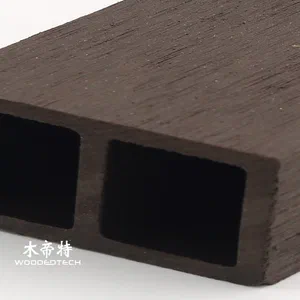 Innovations in Plastic Composite Materials: Advancing Industrial Applications in 2023
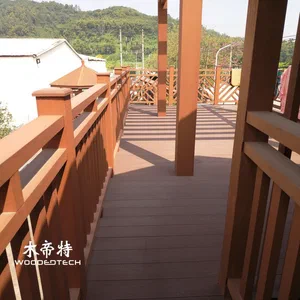 Exploring New Composite Decking Materials: Innovations for the 2023 Construction Industry
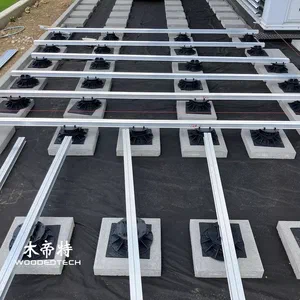 Optimizing WPC's: The Future of Composite Materials in Industrial Applications
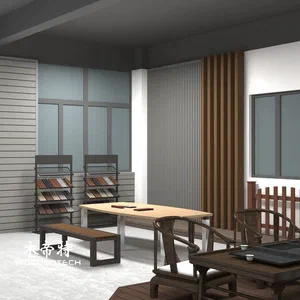 Understanding WPC: What Material Is It and Its Applications in Industry
Related Products
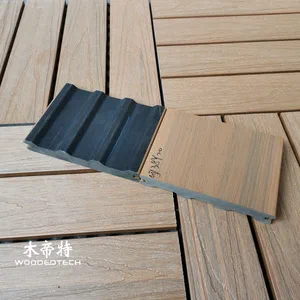 GD13820 M Shape Co Extruded Composite Deck Planks Feature a Special Profile Design for Distinctive Outdoor Decking Applications
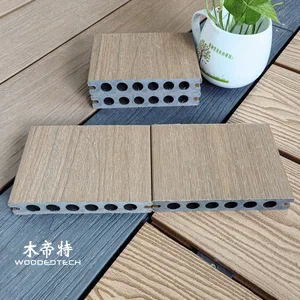 GD13823 Double Sided Flat Surface Co Extruded WPC Decking Features a Popular Width and Thickness with Round Hollow Structure
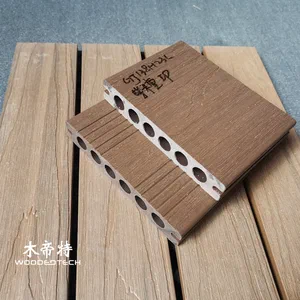 GD13823-3 Composite Boards for Decking Are Available in Multiple Stock Colors with 3 Meter Lengths and Single Piece Delivery