
Innovations in Plastic Composite Materials: Advancing Industrial Applications in 2023
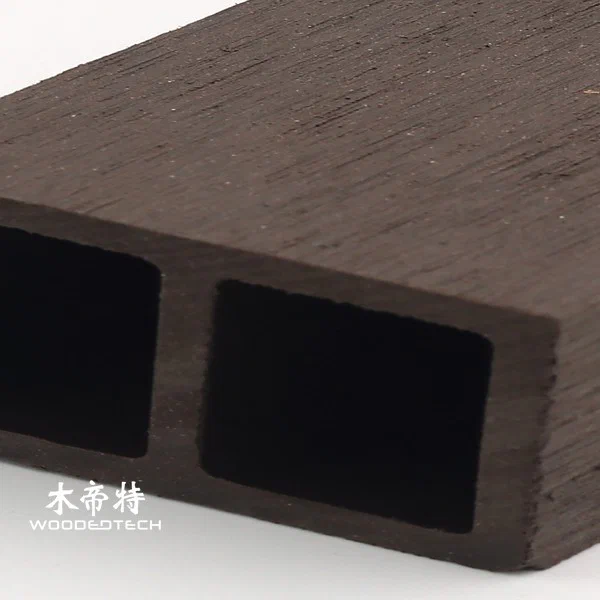
Designing high-performance wood plastic composite (WPC) formulas for outdoor applications such as decking, wall cladding, fencing, pergolas, and landscape products requires a careful balance of material components. This involves optimizing the ratios of wood fiber and plastic, selecting appropriate additives, managing costs, and ensuring longevity and durability of the final product.
Material Composition
The core of any WPC formulation is the blend of wood fiber and plastic. Generally, a higher wood fiber content can enhance the aesthetic appeal and provide a natural look, but it also introduces challenges like moisture absorption and potential for mold growth. Conversely, increasing the plastic content can improve moisture resistance and longevity, but may detract from the natural appearance.
- Typical wood fiber content ranges from 30% to 70%.
- The plastic component is usually polyethylene (PE) or polypropylene (PP), chosen for their durability and resistance to environmental factors.
Striking the right balance is crucial. A common approach is to start with a 50:50 ratio of wood fiber to plastic, then adjust based on specific application requirements and performance testing.
Additives and Enhancements
Incorporating additives can significantly enhance the properties of WPC products. These can include:
- UV Protectants: To prevent fading and degradation from sun exposure.
- Antimicrobial Agents: To inhibit mold and mildew growth, ensuring cleanliness and longevity.
- Colorants and Pigments: To achieve desired aesthetics and finish.
- Fire Retardants: Essential for compliance with safety standards, especially in residential areas.
Using these additives effectively can elevate the performance of WPCs while addressing specific environmental challenges.
Cost Control
Cost is a critical factor in the formulation process. Managing raw material expenses while maintaining quality can be achieved by:
- Sourcing sustainable wood fibers, which can sometimes be more economical.
- Exploring bulk purchasing agreements for plastics and additives.
- Conducting cost-benefit analyses on the use of various additives to ensure they contribute to overall product performance and do not inflate costs unnecessarily.
Efficient manufacturing processes can also contribute to cost savings. This includes optimizing extrusion techniques and reducing waste during production.
Product Lifespan and Durability
For outdoor applications, it is essential to focus on product lifespan and durability. WPCs must withstand various weather conditions, including rain, snow, and UV exposure. Key considerations include:
- Moisture Resistance: Selecting the right type of plastic will enhance water resistance, minimizing swelling and warping.
- Wear Resistance: Incorporating hardening agents can improve surface durability, making products suitable for high-traffic areas.
- Thermal Expansion: Understanding how materials expand and contract with temperature fluctuations can inform design choices, preventing issues such as cracking or buckling.
Testing prototypes under simulated environmental conditions is crucial before full-scale production to ensure that the final product meets performance expectations.
Innovations and Future Directions

The field of WPC formulation is continuously evolving, driven by advancements in material science and technology. Innovations such as co-extrusion processes allow for the creation of capped composites, which enhance the surface properties while maintaining core integrity. These developments are promising for creating products that are not only more durable but also more visually appealing.
The push for eco-friendly materials has also led to increased interest in recycled plastics and sustainable wood sources. This trend aligns with consumer preferences for environmentally responsible products, enhancing marketability.
The future of WPCs lies in further refining these formulations, improving performance metrics, and expanding the range of applications in outdoor settings. By embracing both traditional and innovative materials, it is possible to achieve high-performance solutions that meet the diverse needs of consumers and industries alike.
Related Articles
 Understanding Composite Materials: Key Features and Applications for 2024
 The Evolution of Composite Pergola Material: Benefits for Industrial Applications in 2023
 Essential Guide to Choosing the Right Composite Deck Material for Your Projects
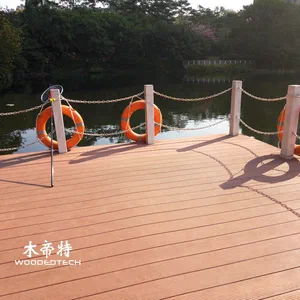 Innovations in Plastic Wood Composite Sheets: Durable Solutions for 2023
Related Products
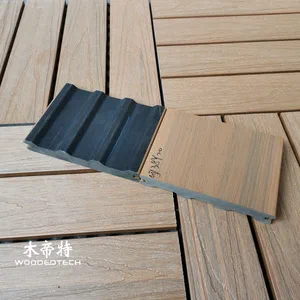 GD13820 M Shape Co Extruded Composite Deck Planks Feature a Special Profile Design for Distinctive Outdoor Decking Applications
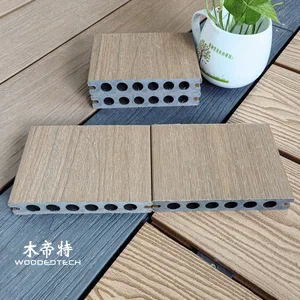 GD13823 Double Sided Flat Surface Co Extruded WPC Decking Features a Popular Width and Thickness with Round Hollow Structure
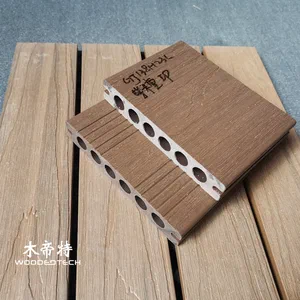 GD13823-3 Composite Boards for Decking Are Available in Multiple Stock Colors with 3 Meter Lengths and Single Piece Delivery