
Innovations in Composite Wall Systems: Enhancing Industrial Efficiency in 2023
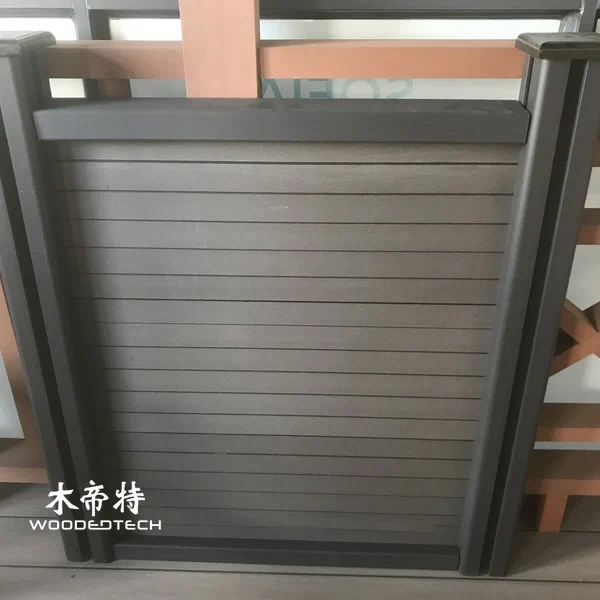
Designing high-performance outdoor wood plastic composites (WPC) requires a thoughtful balance between various components to achieve durability, aesthetics, and cost-effectiveness for applications such as decking, wall cladding, fencing, pergolas, and landscape products. The formulation involves carefully selecting the ratio of wood fiber to plastic, incorporating additives for improved performance, and controlling costs without sacrificing quality or lifespan.
Wood Fiber Content and Plastic Ratio

The choice of wood fiber content significantly impacts the properties of the composite. Higher wood fiber content can enhance the aesthetic appeal, providing a more natural wood-like appearance, while also improving mechanical properties such as stiffness and strength. However, too much wood can lead to moisture absorption, resulting in issues like swelling and warping.
Conversely, increasing the plastic ratio can improve the composite’s resistance to moisture and UV degradation, making it more suitable for outdoor applications. A typical range for WPC formulations is 40%-70% wood fiber to 30%-60% plastic, with adjustments made based on the specific application and performance requirements.
Additives for Enhanced Performance
Integrating additives in WPC formulations plays a crucial role in enhancing performance characteristics. Common additives include:
- UV stabilizers: Protect against sunlight degradation.
- Anti-fungal agents: Prevent mold and mildew growth.
- Colorants: Achieve desired aesthetics and improve product differentiation.
- Fire retardants: Enhance safety features, especially for residential applications.
The careful selection of these additives can improve the longevity of the product, ensuring it withstands environmental challenges without compromising on appearance or structural integrity.
Cost Control Considerations
Cost control is a critical factor when developing WPC formulations. The price of raw materials can vary significantly, and achieving a cost-effective product requires strategic sourcing and formulation strategies. Bulk purchasing of materials, optimizing the formulation to reduce waste, and exploring alternative fillers can all help manage costs.
Additionally, leveraging advanced manufacturing techniques such as co-extrusion can optimize material usage and reduce production costs, leading to more competitive pricing in the market.
Product Lifespan and Sustainability
The lifespan of WPC products is influenced by the balance of components and the quality of additives used. A well-formulated WPC can last for decades with proper maintenance, making it a viable option for outdoor applications. Sustainability is also a growing concern, with consumers increasingly favoring eco-friendly products. Using recycled materials in the formulation can enhance the sustainability profile of WPC products, appealing to environmentally conscious consumers.
Incorporating eco-friendly practices not only helps in reducing the carbon footprint but also aligns with market trends toward sustainable building materials.
By focusing on these key aspects—wood fiber content, plastic ratio, performance additives, cost management, and sustainability—manufacturers can create high-quality, durable WPC products suitable for a range of outdoor applications.
Related Articles
 Exploring the Advantages of WPC Panel Ograde for Industrial Applications in 2023
 Optimal Composite Decking Joists Spacing: Guidelines for 2023 Industrial Applications
 Composite Material Applications for Outdoor Decking Cladding Fencing Furniture and Garden Structures
 Exploring the Benefits of WPC Coffee: A Sustainable Solution for 2024
Related Products
 GD13820 M Shape Co Extruded Composite Deck Planks Feature a Special Profile Design for Distinctive Outdoor Decking Applications
 GD13823-3 Composite Boards for Decking Are Available in Multiple Stock Colors with 3 Meter Lengths and Single Piece Delivery
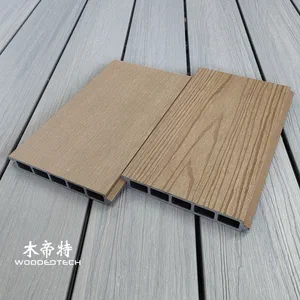 3DGL18024 WPC Longboard Fence Features Premium Co Extruded 3D Embossed Teak Wood Grain Texture with Realistic Natural Wood Fibers