
Inexpensive Composite Deck Boards: Cost-Effective Solutions for Commercial Projects
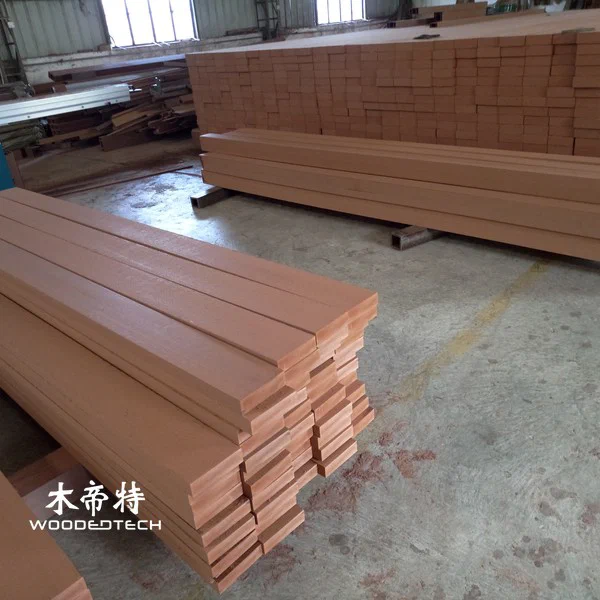
Outdoor composite decking offers commercial property developers a practical alternative to natural timber, aluminum, and other exterior flooring materials. Inexpensive composite deck boards can reduce initial project expenditure while delivering reliable weather resistance, lower maintenance requirements, and attractive wood-like finishes. For hotels, restaurants, public walkways, residential developments, and commercial landscaping projects, selecting the right decking material means balancing purchase price, installation costs, durability, and long-term ownership expenses.
Understanding the Cost Advantages of Composite Deck Boards
Wood plastic composite (WPC) decking combines wood fibers or wood flour with thermoplastics and performance additives. This composition creates boards that retain a natural wood appearance while offering improved resistance to moisture, decay, and everyday outdoor exposure.
For commercial buyers, inexpensive composite deck boards are not simply the cheapest products available. They represent an opportunity to achieve a competitive installed cost without compromising essential performance. Hollow-core boards, standard uncapped profiles, and conventional embossed finishes can provide economical solutions for projects with controlled budgets. Solid boards and capped composite options generally cost more but may be more suitable for high-traffic areas or locations exposed to frequent moisture.
Bulk purchasing can further improve project economics. Contractors, distributors, and property developers can negotiate better unit prices through larger orders, standardized board specifications, and direct sourcing from manufacturers. Selecting commonly available dimensions and colors also helps reduce procurement complexity and replacement costs.
WPC vs. Natural Wood and Traditional Timber
Natural wood remains popular for outdoor decking because of its authentic grain, warm appearance, and established construction methods. Softwoods such as pine are often inexpensive initially, while hardwoods such as teak and ipe offer greater natural durability at a substantially higher purchase price.
However, timber requires regular maintenance to preserve its appearance and structural performance. Depending on the species, climate, and exposure, commercial owners may need to apply protective oils, stains, sealants, or preservatives. Boards can also develop splinters, cracks, warping, and decay over time.
WPC decking reduces many of these maintenance demands. It does not require routine painting or staining, and its composite structure is less vulnerable to rot and insect damage than untreated timber. Cleaning generally involves water, a suitable cleaning solution, and periodic removal of dirt and debris.
The main trade-off is that WPC usually has a higher upfront material price than basic pressure-treated timber. However, when maintenance labor, protective treatments, and replacement requirements are included, composite decking can offer a more competitive lifecycle cost, particularly for commercial properties where maintenance interruptions are expensive.
Comparing WPC with Aluminum and Other Exterior Materials
Different exterior materials serve different architectural and operational requirements. Aluminum decking, for example, offers excellent corrosion resistance when appropriately specified, high dimensional stability, and a long service life. It is also noncombustible. However, its higher purchase price, industrial appearance, and potentially uncomfortable surface temperatures in direct sunlight can make it less attractive for hospitality and recreational environments.
Concrete is another common commercial outdoor flooring option. It provides excellent load-bearing capacity, durability, and relatively low routine maintenance. Nevertheless, concrete can crack, requires appropriate drainage and joint design, and offers fewer opportunities to achieve a natural wood aesthetic. Decorative finishes can also increase installation costs.
Natural stone and porcelain pavers provide premium visual appeal and good resistance to weathering when correctly selected and installed. Their disadvantages include higher material and installation expenses, heavier structural requirements, and potential slip hazards depending on the surface finish.
WPC occupies a useful middle ground. It combines a relatively warm, natural appearance with easier maintenance than traditional timber and greater design flexibility than many conventional hardscape materials.
| Material | Initial cost | Maintenance | Key consideration |
|---|---|---|---|
| WPC decking | Medium | Low | Balanced cost and appearance |
| Pressure-treated timber | Low | High | Regular protective treatment |
| Hardwood decking | High | Medium to high | Premium natural appearance |
| Aluminum decking | High | Low | Excellent dimensional stability |
| Concrete | Low to medium | Low | Heavy construction and limited aesthetics |
| Natural stone | Medium to high | Low to medium | Installation and structural requirements |
Actual costs vary by region, material grade, installation method, and project specifications.
Maintenance Requirements and Long-Term Performance
Maintenance planning is particularly important for commercial decking because large outdoor areas require consistent upkeep. A low purchase price can quickly lose its appeal if the material demands frequent repairs or specialist treatment.
WPC decking generally needs routine sweeping and periodic washing to remove surface contamination. In restaurants, hotels, and public facilities, cleaning frequency should reflect foot traffic, food spills, and local environmental conditions. Grease, standing water, and organic debris should be removed promptly to maintain a clean and safe walking surface.
Material quality remains important. Lower-priced uncapped WPC boards may experience greater color fading, surface staining, or moisture-related deterioration than higher-grade capped products. Co-extrusion decking incorporates a protective polymer outer layer that can improve resistance to stains, moisture, and UV exposure, although it normally comes at a higher initial price.
Installation also affects service life. Commercial projects should use compatible joists, suitable fasteners, appropriate expansion gaps, and effective drainage. Incorrect spacing or inadequate substructure support can lead to movement, deformation, or premature failure regardless of board quality.
For procurement teams, requesting technical data sheets, load specifications, slip-resistance information, UV performance data, and warranty conditions helps establish whether an inexpensive product is suitable for its intended application.
Calculating Lifecycle Costs for Commercial Projects
The real financial value of composite decking becomes clearer when evaluated over its expected service life rather than through material prices alone.
A practical lifecycle cost assessment should include:
- Initial board purchase and transportation.
- Substructure preparation and installation labor.
- Fasteners, accessories, and finishing components.
- Routine cleaning and maintenance labor.
- Periodic repairs and replacement materials.
- Potential disruption to commercial operations.
For example, a hotel terrace installed with inexpensive timber may have a lower initial budget than a WPC alternative. However, repeated staining, sanding, and board replacement can increase expenditure over the following years. Composite decking can reduce these recurring costs and allow maintenance teams to allocate resources to other property operations.

Buyers should avoid assuming that every WPC product has the same service life. Board composition, recycled material quality, manufacturing consistency, climate exposure, installation standards, and warranty coverage all influence long-term performance. Comparing supplier quotations using the same project area, installation assumptions, and evaluation period provides a more reliable financial assessment.
Choosing Affordable WPC Decking for Commercial Applications
The most economical solution depends on the project’s traffic levels, environmental exposure, design requirements, and maintenance budget. Hollow composite boards may suit balconies, residential communal spaces, and moderate-traffic outdoor areas where structural specifications permit their use. Solid composite decking can be a better option for demanding applications requiring greater material density and impact resistance.
For swimming pool surrounds, waterfront developments, and outdoor hospitality spaces, buyers should prioritize slip resistance, drainage, moisture performance, and surface temperature rather than focusing exclusively on the lowest quotation. In public walkways and commercial entrances, structural load capacity and local building regulations must guide material selection.
Working directly with an experienced WPC manufacturer can also improve purchasing efficiency. OEM customization, wholesale pricing, consistent production batches, and access to technical support help contractors and distributors manage larger projects. Requesting samples before ordering allows buyers to evaluate surface texture, color consistency, board dimensions, and overall finish.
Affordable composite decking is most valuable when its purchase price aligns with the project’s actual performance requirements. By comparing WPC with timber, aluminum, concrete, and natural stone across installation, maintenance, and replacement expenses, commercial developers can make more informed material decisions. The right composite decking specification can deliver an attractive exterior surface, predictable maintenance requirements, and a competitive long-term investment for commercial properties.
Related Articles
 Composite Decking vs Wood Decking Cost: A B2B Pricing Analysis
 Composite Decking Cost Varies Based on Material Structure Surface Design and Installation Requirements
 Composite Deck Wood: Industrial Applications, Benefits, and Material Selection
 Composite Decking vs Concrete: 2026 Industrial Material Analysis
Related Products
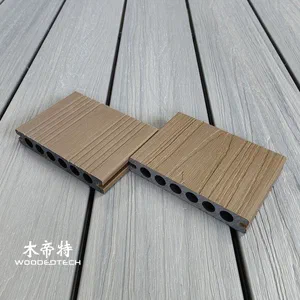 GD13823-3 Teak TK Co Extruded Decking Is a Popular Choice from Composite Decking Suppliers for Outdoor Flooring Projects
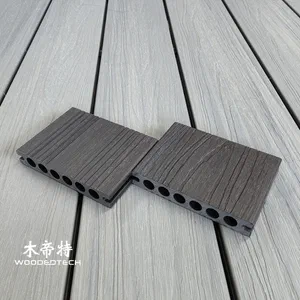 GD13823-3 Walnut WN Co Extruded Decking Features a Dark Rich Color That Helps Resist Visible Dirt and Stains
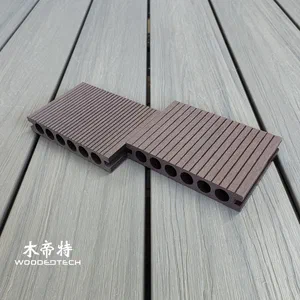 The D14025-6 Composite Decking 2 x 4 Features a Practical Walnut Design with Double-Sided Large and Small Grooves for Versatile Outdoor Applications