Industrial Applications of Solid Composite Decking Boards in 2026
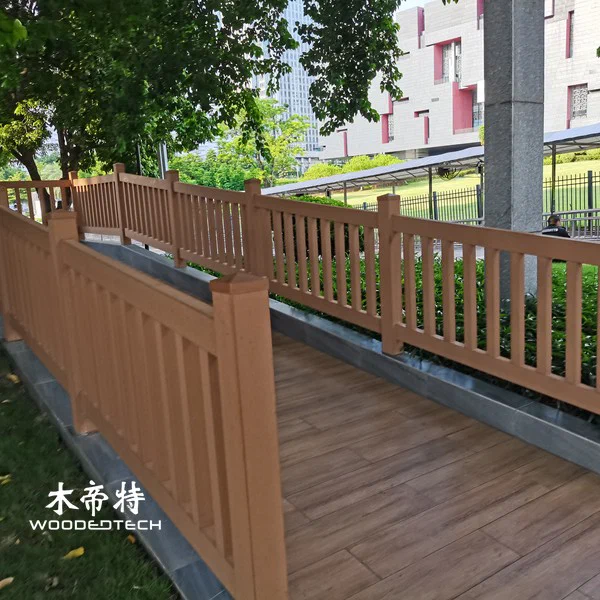
Solid composite decking boards are becoming a practical choice for industrial and commercial outdoor projects in 2026 due to their strength, weather resistance, and low maintenance requirements. From public landscapes to hospitality spaces, these WPC decking solutions provide durable surfaces that combine wood appearance with long-term performance.
Residential and Commercial Landscape Applications
In residential gardens, solid composite decking boards are widely used for patios, pathways, outdoor seating areas, and garden platforms. Their resistance to moisture, insects, and cracking makes them suitable for outdoor environments where traditional wood requires frequent maintenance. For homeowners and landscape designers, WPC decking can create natural-looking spaces around lawns, flower beds, pergolas, and outdoor entertainment areas.
Commercial landscapes such as shopping centers, office buildings, and residential developments often require materials that can handle continuous foot traffic while maintaining a clean appearance. Solid composite decking boards can be installed in pedestrian areas, outdoor relaxation zones, rooftop gardens, and landscape terraces with professional-grade durability.
Hospitality, Parks, and Public Space Solutions

Hotels and resorts use composite decking for pool surrounds, balconies, restaurant terraces, and outdoor lounges. The material supports modern architectural designs while providing a comfortable surface for guests. For pool areas, slip-resistant composite decking options help improve safety, especially in locations exposed to frequent water contact.
Public facilities including parks, walkways, observation platforms, and community recreation areas benefit from the long service life of solid composite decking. Compared with natural timber, WPC products require less staining, sealing, and repair, making them easier to manage in large-scale projects. Municipal landscapes can use composite decking for boardwalks, seating areas, bridges, and outdoor gathering spaces.
Balcony, Pool, and Architectural Applications
Balconies in apartments, hotels, and commercial buildings require flooring materials that can withstand sunlight, rain, and temperature changes. Solid composite decking boards provide a waterproof and stable solution for balcony flooring while offering a wood-like finish that enhances exterior design.
Around swimming pools, composite decking creates a clean transition between water features and outdoor living areas. Professional installers should consider drainage design, expansion gaps, and suitable substructures to ensure long-term performance.
For industrial and architectural projects, WPC decking can also be combined with composite railing, fencing, and wall cladding systems to create complete outdoor environments. Project planners should select board profiles, surface textures, and colors based on expected loads, climate conditions, and design requirements.
Professional Application Suggestions
For large-scale installations, engineers should evaluate:
- Expected pedestrian traffic levels
- Local weather conditions and UV exposure
- Drainage and ventilation requirements
- Installation structure and load capacity
- Surface safety requirements for public use
Solid composite decking boards are suitable for projects that demand reliable outdoor performance with reduced maintenance. Working with an experienced WPC manufacturer can help ensure proper product selection, customized profiles, and consistent quality for industrial applications.
FAQ
Q: Where can solid composite decking boards be used? A: They can be used in gardens, commercial landscapes, hotels, parks, balconies, swimming pool areas, and public facilities.
Q: Why are WPC decking boards suitable for industrial projects? A: WPC decking offers durability, moisture resistance, low maintenance, and stable performance in outdoor environments.
Q: What should engineers consider before installation? A: They should review climate conditions, traffic levels, drainage, structural support, and safety requirements.
Related Articles
 decking wpc di jakarta offers suitable outdoor flooring solutions for residential and commercial projects
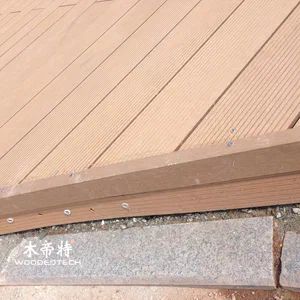 Solid Composite Decking Boards with Superior Load-Bearing Capacity | Factory Direct
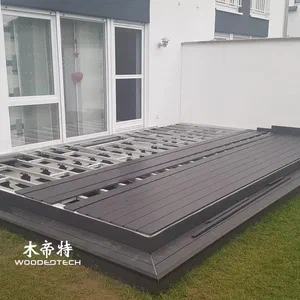
 Composite Decking Pool Solutions for Commercial Construction 2026
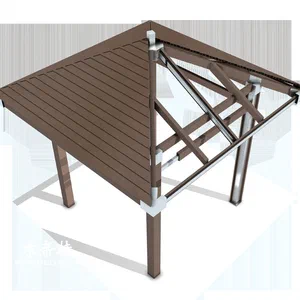
 Composite Material Applications for Outdoor Decking Cladding Fencing Furniture and Garden Structures
Related Products
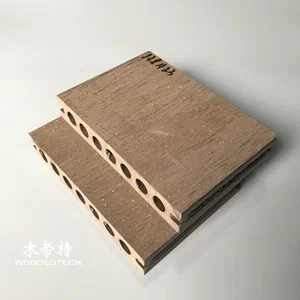 D13823 Round Hole Double Sided Flat WPC Bamboo Decking Boards With Strong Quality And Various Wood Grain Surface Treatments
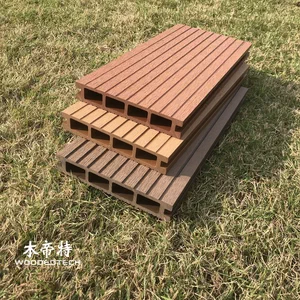 D14025-3 Square Hole Double Sided Grooved WPC Board Factory Producing Outdoor Decking Boards With Good Slip Resistance
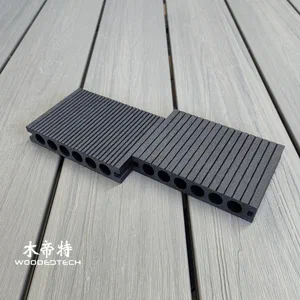 D14025-5 First Generation Large And Small Groove Ebony Color Composite Board With Low Profile Style And Dirt Resistant Outdoor Performance