How WPC Panel Texture Influences Durability, Aesthetics, and Manufacturing Quality
WPC panel texture affects more than appearance. It influences surface wear, slip resistance, weathering performance, and the consistency of the finished profile. For outdoor wood plastic composite products, achieving the right texture requires coordinated control of raw material preparation, extrusion temperature, mold design, cooling calibration, and surface treatment.
How Texture Affects Durability and Appearance
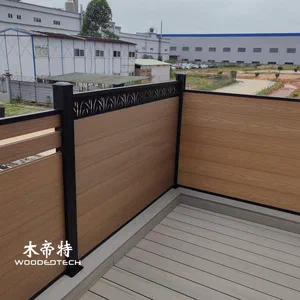
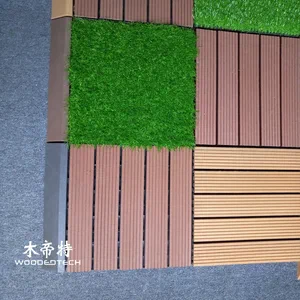
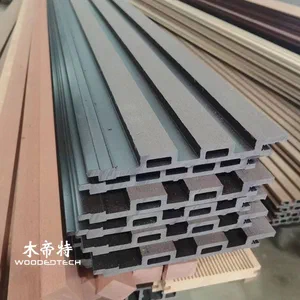
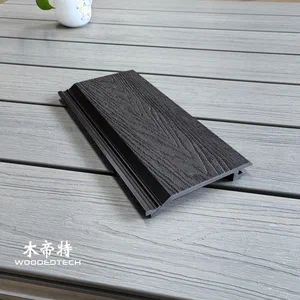
Wood grain, brushed finishes, embossed patterns, and fluted surfaces each serve different design purposes. Embossed textures create a natural timber appearance, while fluted profiles add depth and shadow to exterior walls. Properly designed surface patterns can also improve grip on suitable flooring applications, although actual slip resistance depends on the material, pattern geometry, moisture, and testing conditions.
Texture alone does not guarantee durability. Deep grooves may collect dirt and moisture, while poorly formed ridges can wear unevenly under repeated contact. Outdoor exposure introduces additional challenges, including UV radiation, temperature fluctuations, and water absorption. A durable WPC panel therefore needs a balanced combination of surface design, material formulation, and manufacturing precision.
Material Mixing and Pelletizing
Consistent texture starts with stable raw materials. Wood flour, thermoplastic resin, coupling agents, lubricants, pigments, and other additives must be selected according to the target application. Wood flour moisture should be controlled before compounding because excess moisture can cause bubbles, surface pinholes, and rough finishes during extrusion.
Uniform mixing distributes wood fibers, pigments, and additives throughout the compound. Poor dispersion can create color streaks, inconsistent grain definition, or weak surface areas. When pelletizing is used, the compound must be processed under suitable temperature and shear conditions to maintain stable flow and material quality. Pellet size and composition should remain consistent to support reliable feeding during subsequent extrusion.
Extrusion Temperature Control and Mold Design
Extrusion temperature affects melt viscosity, fiber distribution, surface replication, and dimensional stability. Excessive heat can degrade wood components, darken the surface, or cause discoloration. Insufficient heat may produce poor fusion, rough edges, and incomplete texture formation. Operators should establish temperature settings for each barrel and die zone based on the resin system, formulation, screw configuration, and production speed.
The mold determines the panel’s cross-sectional geometry and contributes to surface quality. Flow channels must distribute material evenly, while the die opening should account for material shrinkage and expansion. For embossed or wood-grain WPC panels, surface details must be engineered to reproduce the intended pattern without creating excessive flow resistance or weak, thin sections. Regular mold cleaning and inspection help prevent scratches, deposits, and uneven texture transfer.
Cooling Calibration and Surface Treatment
After leaving the die, the panel must be cooled and calibrated to maintain its dimensions and surface profile. Uneven cooling can cause warping, residual stress, shrinkage differences, and distorted grooves. Vacuum calibration, controlled cooling water, and a stable haul-off speed help maintain consistent thickness and geometry. Cooling conditions should be adjusted to the profile design and production rate rather than relying on a single setting for every product.
Surface treatment provides additional control over appearance and performance. Embossing rollers, brushing, sanding, co-extrusion, and suitable protective coatings can create different finishes. Co-extrusion can add a protective outer layer with improved resistance to staining, moisture, and UV exposure, depending on the cap formulation. Any treatment must remain compatible with the base material and intended outdoor environment.

Common Production Problems and Quality Control
Typical defects include rough surfaces, blurred grain patterns, bubbles, color variation, panel warping, and inconsistent dimensions. These problems may result from wet raw materials, poor mixing, unstable melt temperatures, unsuitable die design, inconsistent cooling, or excessive line speed.
Manufacturers should inspect incoming materials, monitor processing parameters, and check finished panels for thickness, color consistency, texture depth, surface defects, and dimensional stability. Outdoor products should also undergo application-relevant testing for weathering, water absorption, mechanical strength, and slip resistance where required. Recording process settings alongside inspection results helps identify the causes of recurring defects and maintain consistent production quality across batches.
FAQ
Q: Does deeper WPC panel texture improve durability?
A: Not necessarily. Deeper patterns can enhance visual depth and grip in suitable applications, but their durability depends on material strength, pattern geometry, surface wear, and environmental exposure.
Q: What causes uneven wood grain texture during WPC extrusion?
A: Common causes include inconsistent material moisture, poor additive dispersion, unstable extrusion temperatures, unsuitable mold geometry, and uneven cooling.
Q: Can co-extrusion improve outdoor WPC panel performance?
A: Yes, a properly formulated protective cap can improve resistance to UV exposure, staining, and moisture, provided the product is designed and tested for its intended application.