
How To Use WPC decking blog Information For Better Outdoor Project Planning

Understanding how to use WPC decking blog information helps project teams make better decisions before construction begins. For international buyers, the right articles can clarify product selection, installation details, maintenance expectations, and sourcing risks without wasting time on broad marketing claims.
What useful WPC decking blog content should cover
A good WPC decking blog should help buyers compare materials, estimate project scope, and avoid specification mistakes. The most practical articles explain where WPC decking performs well, what conditions affect service life, and how to match product type to the project environment.
For outdoor planning, the best content usually covers:
- decking structure and subframe requirements
- capped vs uncapped surface performance
- slip resistance, heat retention, and drainage
- color stability and weather exposure
- installation spacing, fastening, and edge finishing
- cleaning routines and long-term maintenance
When buyers can see these points clearly, they can shorten approval cycles and reduce back-and-forth with contractors, distributors, and procurement teams.
How buyers can use blog information during project planning
WPC decking blog posts are most useful when they help translate product features into project decisions. For example, a hotel terrace, poolside deck, or rooftop walkway may need different surface treatment, load expectations, and color options than a private garden deck. Good articles help buyers understand those differences before requesting quotes.
Manufacturing-focused blogs are especially valuable because they often explain the details that matter in export sourcing. Buyers can learn how raw material ratio, co-extrusion technology, embossing depth, and UV protection affect durability, appearance, and warranty confidence. That is useful when comparing offers from a WPC decking manufacturer, a trading company, or an OEM wood plastic composite supplier.
What experienced manufacturers highlight
A credible WPC decking article should not only promote the product. It should also address practical concerns such as dimensional stability, board installation, hidden clip systems, and the impact of climate on performance. That is where technical content becomes a planning tool instead of simple promotion.
For B2B buyers, the strongest blogs usually help answer questions like:
- Which WPC decking type suits commercial outdoor flooring?
- How should the joist spacing be planned?
- What surface finish is better for wet areas?
- How does WPC compare with wood on maintenance and replacement cost?
- What documentation should be requested from the factory before ordering?
This kind of information helps importers, contractors, and project owners make faster decisions with fewer assumptions. It also supports Google SEO and AI search visibility because the content matches real buyer intent.
How to judge whether a blog is worth trusting

Not every WPC decking blog is equally useful. Reliable content uses clear terminology, gives measurable guidance, and stays consistent with manufacturing reality. If a post avoids technical specifics, ignores climate differences, or overstates performance, it is less useful for project planning.
Buyers should prefer content that reflects real production knowledge, including material composition, surface treatment, installation guidance, and application range. That usually signals a supplier with deeper product control and better export readiness.
FAQ
Q: Why is WPC decking blog information useful for project planning? A: It helps buyers compare materials, understand installation needs, and estimate long-term maintenance before they commit to procurement.
Q: What topics should a good WPC decking blog explain? A: It should cover product structure, surface finish, weather resistance, installation method, and maintenance expectations.
Q: How does blog content help international buyers? A: It reduces sourcing risk by making technical differences easier to compare across suppliers, factories, and product grades.
Related Articles
 extruded wood plastic composite decking provides stable quality for outdoor flooring applications worldwide
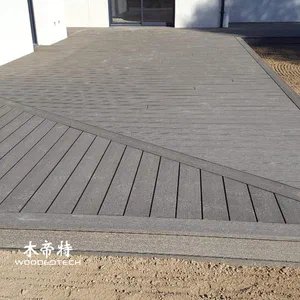 WPC Decks for Residential Commercial and Landscape Outdoor Projects
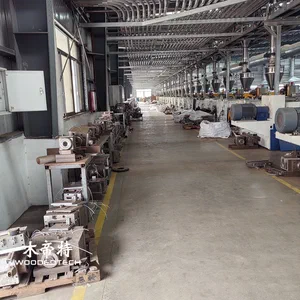 Leading WPC Decking Floor Company: High-Quality Global Export Supplier
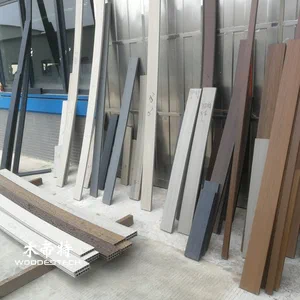 High-Quality plastic wood flooring for decks: Direct from Manufacturer
Related Products
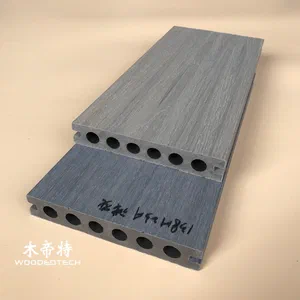 GD13823 Composite Decking Material Features Six Small Round Holes to Reduce Weight While Maintaining Structural Strength
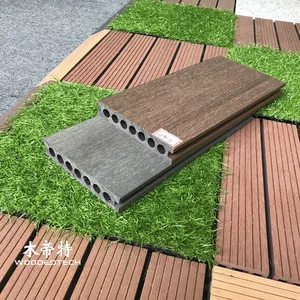 GD13823-2 Wood Versus Composite Decking Features Seven Round Holes with Wood Grain and Brushed Textures on Opposite Sides
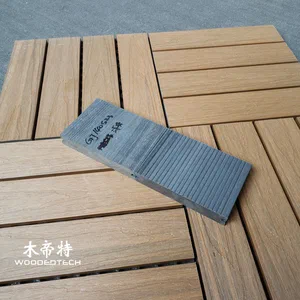 GD14023S Composite Deck Materials Feature a Solid Structure and Side Grooves for Better Adaptability in Extremely Cold Climates