
How To Understand Composite Decking Price For Quality Outdoor Applications

Outdoor WPC, or wood plastic composite, is priced as a performance material rather than a simple wood substitute. For exterior decks, terraces, pool edges, and façade details, the right buying decision depends on durability, maintenance, appearance stability, and the real cost over years of use.
Why Composite Decking Price Is Not Just a Unit Cost
Composite decking price reflects the balance between resin content, wood fiber quality, surface treatment, board structure, and UV protection. Cheaper boards can look acceptable on day one, but they may fade faster, stain more easily, or move more under heat. That is why buyers should compare not only purchase price per square meter, but also installation waste, fastening system, maintenance intervals, and expected service life.
Natural wood usually has a lower entry price in some markets, especially for softwood species. But it brings recurring costs: sealing, staining, sanding, insect treatment, and periodic board replacement. Traditional timber can deliver a warm, authentic look, yet it is more sensitive to moisture cycling, warping, cracking, and color loss. Over time, the maintenance burden often pushes lifecycle cost above a mid-range composite product.
Comparing WPC with Other Exterior Materials
Compared with aluminum, outdoor WPC feels warmer underfoot and is quieter in use. Aluminum is lighter, highly stable, and low maintenance, but it can be hotter in direct sun and more expensive in premium architectural systems. For decks and walkable surfaces, WPC often offers a better comfort-to-cost ratio, while aluminum is stronger where structural precision or corrosion resistance is the priority.
Compared with concrete or stone, WPC is easier to install and usually less demanding on substructure loading. Stone and pavers can last longer in harsh conditions, but they need a stronger base, more labor, and sometimes more complex drainage detailing. For many commercial terraces and residential outdoor areas, WPC wins when the project needs a wood-like look without the maintenance intensity of timber.
Advantages and Tradeoffs
WPC brings several practical advantages:
- Stable appearance with better resistance to rot, splintering, and insect damage
- Lower routine maintenance than natural wood
- Consistent profiles and colors for larger exterior projects
- Better long-term cost control than many timber solutions
The tradeoffs are equally clear:
- Upfront price is usually higher than basic softwood
- Lower-end products may fade, scratch, or stain more noticeably
- Heat retention can be a concern in direct summer exposure
- Quality varies widely between manufacturers

That variation is the main reason composite decking price should be judged against product grade, not against wood alone. A low price can hide thin caps, poor color stability, or weak structural performance.
Maintenance and Lifecycle Cost
Good WPC outdoor applications need only basic washing and periodic inspection of fixings and expansion gaps. That is a simple maintenance plan compared with wood, which often needs seasonal coating and more frequent repair. For lifecycle cost, the most useful comparison is total ownership over 10 to 20 years. In many projects, a mid- to high-grade composite deck can cost less to own than timber once labor, coatings, and replacement boards are included.
FAQ
Q: Is composite decking always more expensive than wood? A: At purchase, usually yes. Over time, it can be cheaper because it needs less maintenance and replacement.
Q: What affects composite decking price the most? A: Material quality, capped surface technology, board thickness, UV resistance, and brand consistency have the biggest impact.
Q: Which exterior material gives the best long-term value? A: For most decks, quality WPC offers the best balance of appearance, maintenance, and lifecycle cost. TAGS: composite decking price, composite decking quality levels, outdoor wpc
Related Articles
 How To Compare Composite Decking Brands For Quality And Performance
 What Is The Difference Between Composite Deck Vs Wood Cost For Buyers
 composite decking quality levels help customers compare different materials and performance standards
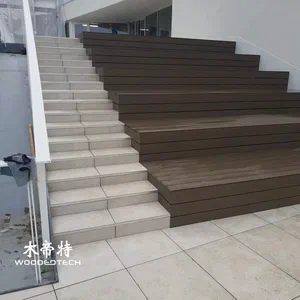 Composite decking weight helps customers choose suitable materials for different construction needs