
How To Select Wpc Wall Cladding Dimensions For Different Exterior Designs

WPC wall cladding dimensions should be chosen by looking at the profile structure first, not just the face size. Panel width, thickness, hollow ratio, rib layout, and surface pattern all change how the cladding performs on an exterior wall, especially when the design has to balance strength, weight, cost, and installation speed.
Profile Structure Drives Performance
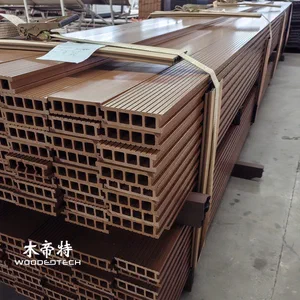
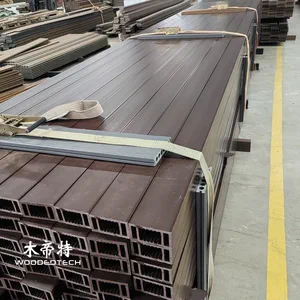
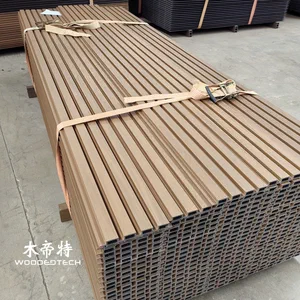
In WPC extrusion mold design, the same visual style can produce very different results depending on whether the profile is hollow or solid. Hollow structures reduce weight and material use, which lowers shipping cost and makes handling easier on site. Solid structures offer higher impact resistance and better stiffness, but they add weight and usually raise material cost.
For large exterior walls, hollow profiles are often preferred when the wall system needs to cover a broad area with less load on the substructure. Solid profiles are better for lower-level façades, high-traffic areas, or projects where the cladding may face stronger wind load, frequent impact, or tighter fastening requirements.
Rib design is the real control point behind that decision. Well-placed internal ribs improve bending strength without turning the profile into an overly heavy product. Too few ribs can cause sagging or fastener deformation, while too many ribs raise tooling complexity and slow extrusion stability.

Dimensions Affect Installation
Panel dimensions should match the project’s façade scale and the installer’s working method. Wider panels cover more area quickly, but they demand flatter substrates and more control over thermal movement. Narrower profiles are easier to align on uneven walls and can create a more refined architectural rhythm.
Thickness matters just as much as width. A thicker wall cladding section usually gives better screw holding and improved stiffness, but it also changes cooling behavior in extrusion and may require a more robust mold design. If the dimensions are too aggressive for the resin formulation, the panel can warp, shrink unevenly, or lose surface accuracy.
For installation performance, the connection edge is critical. Tongue-and-groove or concealed clip systems work best when the profile dimensions leave enough room for expansion, drainage, and secure locking. If the section is too thin at the joint, installation becomes faster only on paper; in practice, it increases breakage and rework.
Surface Pattern Also Changes the Design Choice
Surface patterns influence both appearance and function. A deep wood grain or embossed texture improves visual realism and hides minor scratches, but it also affects mold release and surface cooling. Fine patterns are easier to maintain and often suit modern exterior designs, while deeper textures are better for premium façades that need stronger visual character.
When the wall design calls for a clean, linear look, simpler surfaces often pair better with larger dimensions and narrower shadow gaps. For heavier architectural expression, a patterned profile with stronger edge definition can make the same wall read as more substantial without increasing thickness too much.
Selecting the Right Balance
The best WPC wall cladding dimension is the one that fits the project, not the one with the largest section. A lighter hollow profile works well for broad decorative façades. A reinforced solid profile suits demanding exteriors. Rib geometry, face width, and surface finish should all be designed together so the product stays stable in production and practical on site.
FAQ
Q: Are hollow WPC wall cladding profiles always weaker than solid ones? A: Not always. A well-designed hollow profile with proper ribs can provide enough stiffness for many exterior applications while keeping weight and cost lower.
Q: What cladding dimensions are easiest to install? A: Moderate-width profiles with controlled thickness and a reliable locking edge are usually easiest to install because they balance handling, alignment, and expansion tolerance.
Q: Does a deeper surface texture affect performance? A: Yes. Deeper texture can improve appearance and scratch masking, but it may also require tighter mold control and can slightly increase production complexity.
Related Articles
Related Products
 B14011 WPC Paneling Sheets Feature Double Flat Surfaces with Heat Pressed Wood Grain Designs for Outdoor Styles
 B7112 WPC Panel Design Exterior Boards Offer Stocked Fence Strips for Outdoor Decoration and Edge Finishing
 WPC Decking Accessories Provide Complete Installation Components for Professional Outdoor Flooring Projects