
How to Select a Reliable WPC Furniture Manufacturer for Industrial Projects
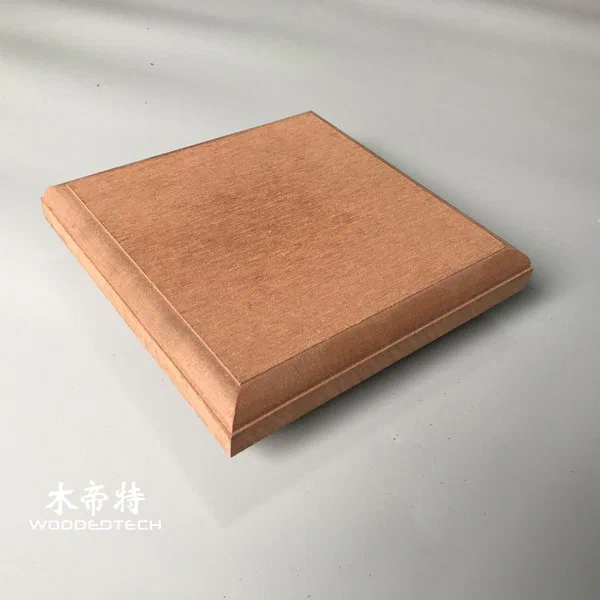
Selecting a reliable WPC furniture manufacturer for industrial projects requires more than comparing product prices and reviewing online catalogs. Overseas buyers should assess factory production capabilities, material quality, customization services, quality control procedures, and export experience before placing bulk orders. A qualified supplier should be able to deliver consistent product quality, meet project specifications, and maintain stable production schedules.
1. Check the Manufacturer’s Factory and Production Capabilities
The first step is to confirm whether a supplier operates its own manufacturing facility or works primarily as a trading company. Both business models can serve international buyers, but direct manufacturers generally offer better visibility into production processes, customization options, and manufacturing schedules.
For industrial projects involving outdoor benches, garden seating, park furniture, and other WPC products, production capacity is particularly important. Large orders may require multiple production batches, specialized molds, and coordinated assembly processes. A supplier should have sufficient extrusion equipment, processing machinery, storage facilities, and experienced production staff to handle these requirements.
When evaluating a WPC factory, overseas buyers should check:
- Factory location, production area, and manufacturing equipment.
- Monthly production capacity and current order commitments.
- Experience manufacturing outdoor WPC furniture.
- Availability of custom extrusion molds and product development services.
- Raw material sourcing and inventory management.
- In-house quality inspection and finished-product packaging.
Request recent factory photographs, production videos, and details of existing manufacturing projects. A live factory video inspection or third-party factory audit can provide additional confidence, especially when buyers cannot visit China in person.
2. Evaluate WPC Material Quality and Product Durability
WPC furniture is commonly manufactured using a combination of wood fiber or wood flour, thermoplastics, and processing additives. However, the actual formulation and manufacturing process can vary significantly between suppliers. These differences affect product strength, dimensional stability, weather resistance, and long-term performance.
For outdoor industrial applications, material quality should be evaluated according to the intended installation environment. Public parks, commercial gardens, resorts, waterfront developments, and outdoor recreational facilities may have different requirements.
Ask suppliers to provide clear information about their material specifications, including:
- Wood fiber and plastic composition.
- Material density and profile structure.
- Mechanical strength and load-bearing performance.
- Water absorption and dimensional stability.
- UV resistance and color stability.
- Resistance to moisture, insects, and environmental exposure.

Do not rely exclusively on descriptions such as waterproof, maintenance-free, or weather-resistant. Request relevant laboratory reports and test certificates, preferably issued by independent testing organizations.
For furniture exposed to direct sunlight, rain, and seasonal temperature changes, buyers should also confirm whether the products have undergone suitable outdoor aging and weather-resistance testing.
3. Confirm Product Specifications Before Requesting a Quotation
Unclear product specifications are a common source of purchasing disputes. Two manufacturers may quote different prices for products that appear similar in photographs but use different materials, dimensions, structures, or manufacturing processes.
Before requesting a formal quotation, prepare a detailed product specification sheet. For WPC outdoor furniture, this should cover the complete product rather than only the visible dimensions.
Important details include:
- Overall length, width, and height.
- Seat dimensions and recommended load capacity.
- WPC profile dimensions and wall thickness.
- Solid or hollow profile construction.
- Internal metal reinforcement, if required.
- Frame material and surface treatment.
- Color, texture, and surface finish.
- Assembly method and hardware specifications.
- Packaging requirements and installation accessories.
For custom industrial projects, provide drawings, reference photographs, 3D models, or physical samples whenever possible. These materials help the manufacturer understand the intended design and identify potential production limitations before mass manufacturing begins.
Buyers should also request a pre-production sample or prototype for approval. Confirming dimensions, colors, assembly details, and surface quality at this stage can prevent costly corrections after bulk production has started.
4. Compare Manufacturing Quality Control Procedures
A manufacturer’s ability to produce one acceptable sample does not automatically guarantee consistent quality across a large order. Industrial buyers should understand how the supplier controls product quality throughout manufacturing.
A reliable WPC furniture factory should have inspection procedures covering incoming materials, production processes, finished products, and packaging.
For example, incoming material inspections can help identify variations in raw material quality. During production, workers should monitor profile dimensions, surface appearance, color consistency, and processing conditions. Finished products should be checked for dimensional accuracy, structural integrity, assembly compatibility, and visible defects.
For assembled outdoor benches and similar furniture, particular attention should be given to:
- Frame stability and connection strength.
- Seat board alignment and spacing.
- Screw and fastener quality.
- Surface scratches, cracks, and color differences.
- Structural performance under the specified load.
- Packaging protection during transportation.
Ask the manufacturer whether it can provide inspection reports, product testing records, and pre-shipment photographs. For large industrial orders, buyers can also arrange independent inspections before the goods leave the factory.
5. Assess Customization and OEM Manufacturing Experience
Industrial projects frequently require furniture that matches specific architectural designs, landscape plans, or commercial branding requirements. Standard catalog products may not meet every project’s dimensions, appearance, or installation conditions.
A manufacturer with OEM and custom manufacturing experience can support product development from initial drawings to finished production.
Customization may involve different bench lengths, WPC colors, wood-grain textures, metal frame finishes, profile designs, and connection structures. Some projects may also require coordinated furniture collections, including benches, tables, planters, and decorative outdoor elements.
When evaluating customization capabilities, ask whether the factory can develop new extrusion profiles, produce custom molds, adjust existing product structures, and manufacture trial samples.
It is equally important to clarify mold ownership, development costs, minimum order quantities, sample lead times, and production lead times. These details should be documented before confirming the order.
A supplier should also explain which design changes are technically feasible and which may affect structural performance or production costs. Clear communication at the development stage helps avoid unrealistic expectations.
6. Review Export Experience, Packaging, and Delivery Arrangements
A capable manufacturer must do more than produce quality furniture. It should also understand the practical requirements of international trade and overseas project delivery.
Check whether the supplier has experience exporting WPC outdoor furniture to your target market. Familiarity with export documentation, shipping arrangements, product labeling, and destination-market requirements can reduce communication problems during order execution.
Packaging deserves particular attention because outdoor furniture may travel long distances and pass through several handling stages. Ask the supplier how it protects WPC boards, metal frames, surface finishes, and hardware during transportation.
For container shipments, request packaging photographs and estimated loading quantities. These details help buyers calculate shipping costs and evaluate container utilization.
Before confirming the purchase order, clearly document the following commercial terms:
- Product specifications and approved samples.
- Order quantity and unit pricing.
- Production and delivery schedules.
- Payment terms and inspection arrangements.
- Packaging standards and shipping marks.
- Incoterms and shipment responsibilities.
- Warranty conditions and after-sales support.
Avoid relying on verbal promises for important delivery or quality commitments. Written agreements provide a clearer basis for managing potential disputes.
7. Identify Common Supplier Risks Before Placing Bulk Orders
Several purchasing mistakes can increase costs and delay industrial projects. One common mistake is selecting a supplier based only on the lowest quotation. An unusually low price may indicate differences in material formulation, profile thickness, reinforcement, hardware quality, or production standards.
Another risk is accepting samples without confirming that mass-produced goods will follow the same specifications. Buyers should make the approved sample and technical documents part of the purchase agreement.
Be cautious when suppliers cannot provide verifiable factory information, avoid detailed technical questions, or refuse reasonable quality inspections. Inconsistent company information and unclear payment arrangements also deserve further investigation.
For first-time cooperation, buyers can reduce exposure by starting with a trial order, approving a production sample, and arranging pre-shipment inspection. Once the supplier demonstrates consistent quality and reliable delivery performance, larger purchasing arrangements can be considered.
Choosing a WPC furniture manufacturer is ultimately a decision about long-term supply reliability, not simply the price of an individual product. Overseas buyers should work with factories that understand industrial project requirements, communicate technical details clearly, maintain documented quality standards, and provide dependable production and export support. These factors help protect project budgets, reduce purchasing risks, and establish a stable manufacturing partnership.
Related Articles
Related Products
 B30014 Plastic Wood 4x8 Sheets Provide Wide Thin Boards for Large Outdoor Display and Surface Applications
 B5010 Tiny Plastic Composite Panels Offer Flexible Thin Boards for Curved Edges and Outdoor Decorative Designs
 10' composite deck railing allows customized styles and dimensions for various landscape and building projects